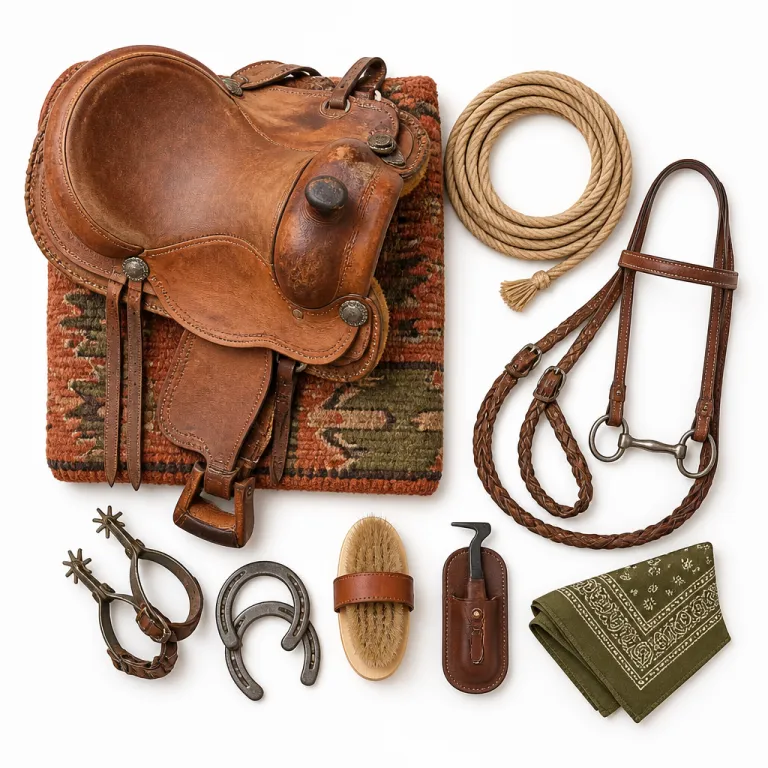
From vaquero horsemanship to guest ranch riding today
Western riding culture and working ranch horsemanship began long before any guest ranch offered a sunset cocktail. When Spanish expeditions reintroduced horses to central Mexico in the early 1500s, Indigenous men learned to manage cattle from the saddle and became the vaqueros who shaped everything that followed. Their stock handling skills created a working language between horse and cow that still defines how a modern cattle ranch operates.
Historians generally agree that organised cattle work on horseback in New Spain emerged during the 16th century, blending Iberian techniques with Indigenous knowledge of the land. Scholars such as historian Richard W. Slatta note that these early riders refined neck reining, loose rein control and deep seat riding so a horseman could handle a lariat, open a gate, or turn a cow at speed without losing balance, and American cowboys later adopted these methods for large scale ranch work across the open range. When you book a luxury ranch stay in the American West today, every calm trail mount that carries you out among cattle is a direct heir of that traditional stock horse system.
Guest ranches now translate those ranching traditions into equestrian experiences that still feel authentic. Some properties invite you to join real ranch work, easing you into cow work beside seasoned horses that know their job better than most visiting riders. Others focus on arena disciplines such as reining or western dressage adapted to stock saddles, showing how modern training techniques can sit comfortably alongside classical ranch horsemanship without losing respect for the horse.
Why the western saddle and seat feel different from hotel trail rides
The first thing you notice at a serious ranch is the saddle, because practical western horsemanship is built around equipment designed for long days, not short tourist loops. The horn, deep seat and fenders are there so a cowboy can rope a cow, drag a calf, or hold a gate while the horse braces and balances beneath. That is why a well fitted western saddle lets a rider stay secure for hours of trail riding across broken range instead of just circling an arena.
Key features of Western riding are often summarised this way: “Key features include neck reining, loose rein control, and the use of a Western saddle.” On a premium guest ranch, wranglers will usually adjust your stirrup length for a deeper, more relaxed leg so your body weight settles into the seat, which helps the horse move freely during ranch work or when navigating rocky trail sections. If you are comparing properties, look for those that explain horseback riding skill levels clearly and train their équipe accordingly, and this guide to horseback riding skill levels at guest ranches is a useful benchmark.
Luxury ranches that take horsemanship seriously will also talk about horses needed for different disciplines, from a steady riding horse for novice guests to a responsive cow horse for advanced cattle activities. You may see Quarter Horses, Paints and other American stock breeds, all selected as a reliable equine partner for both comfort and sport. Ask how they approach horse training and whether they balance horse natural instincts with the demands of equestrian sports such as reining, barrel racing or ranch versatility classes.
Neck reining, cow sense and the quarter horse as working partner
On a genuine ranch, the magic is not in the décor but in the way a horse reads cattle. Practical western stock work relies on neck reining, where the rider guides with one hand so the other can swing a rope, push a gate or signal to another cowboy across the herd. That one handed control only works because generations of horse training have produced mounts that respond to weight shifts, leg pressure and the slightest movement of the reins.
Many guest ranches favour the American Quarter Horse because its acceleration, balance and so called cow sense make it ideal for ranch work and western equestrian sports. A good Quarter Horse can slip between cows quietly, then burst into short racing sprints when a stray animal breaks from the herd, all while keeping the rider secure in the deep western seat. When a property talks about traditional western bloodlines and ranching traditions, ask whether their horses still work cattle regularly or only perform in occasional rodeo style shows for guests.
For couples seeking premium experiences, the most memorable moments often come from a quiet hour of cow work rather than a staged rodeo. As one Montana wrangler told a visiting pair, “You will forget the arena lights, but you will remember the first time your horse turns a cow just because you thought about it.” A skilled wrangler, the kind profiled in this piece on why your wrangler shapes the trip, will match you with a riding horse that suits your confidence and explain how traditional western cues differ from English riding. Listen for terms like vaquero horsemanship, horse natural balance and thoughtful modern methods, because these signal a ranch that respects both the animal and the history behind every ride.
From working range to guest ranch arena: disciplines with real roots
Many luxury ranches now offer structured activities that translate everyday ranch work into accessible disciplines for guests. Reining patterns, for example, grew from the quick stops, spins and rollbacks a horse needed when turning cattle on the open range, and a good trainer will explain that lineage before you ever step into the arena. Barrel racing, often presented as a high speed sport at the local rodeo, evolved from the agility tests cowboys used to prove a horse could accelerate, turn and rate its speed safely.
Some properties also introduce traditional dressage concepts through a western lens, showing how collected movement and softness in the bridle support both trail riding and precise cow work. This blend of traditional western practice and horsemanship modern schooling helps horses stay sound and mentally fresh, which matters when they carry different riders every week. When you evaluate a ranch, ask whether their equestrian sports offerings are built on real ranching traditions or simply imported arena games with little connection to cattle or range life.
Couples who appreciate context tend to gravitate toward ranches that still operate as working cattle outfits, because the line between sport and survival remains visible. You might spend one morning on a relaxed trail, the next helping move cows to new pasture, and then watch the same horses perform sliding stops in a small evening reining demonstration. That continuity between horse, rider, cow and land is what separates authentic western ranch horsemanship from generic holiday stables that only offer nose to tail hacks.
Choosing a luxury guest ranch that honours real ranching traditions
Not every property using the word ranch is rooted in cattle, horses and range craft. When browsing a premium booking website, look for language about ranch work, cow work and daily horse training rather than just spa menus and poolside cocktails. A serious operation will describe how many horses are needed to rotate the herd, how they manage wild horses on surrounding land and how often their wranglers still ride fence or move cattle.
Ask specific questions before you book: do they practise traditional horsemanship methods such as vaquero horsemanship or do they rely solely on horsemanship modern techniques geared toward arena disciplines? Do guests have the option to join real cattle activities, or is the experience limited to short trail rides that never go near a cow or working pasture? The most rewarding stays for couples usually combine comfortable accommodation with access to genuine western ranch riding, where you can feel the link between horse, rider and land.
For travellers seeking a deeper reset, some ranches pair this heritage focus with a deliberate digital break, and this guide to a digital detox at the ranch outlines what that can look like in practice. Even in a high end setting, the most luxurious moment may be an evening ride where the only sounds are hoofbeats, cattle lowing in the distance and a distant rodeo announcer carried on the wind. That is when western horsemanship stops being a sport or tourism product and returns to its original purpose as a working partnership between people, horses and the range.
How guest ranches translate heritage into tailored adventures for couples
Once you have chosen a property with genuine roots, the next step is matching your adventure to your riding experience. Many luxury ranches now design small group programmes where a beginner horse rider can learn basic western horsemanship on a steady riding horse while a more advanced partner explores reining, barrel racing or cattle penning. This tailored approach respects both safety and the horse natural limits, which is essential when horses carry multiple guests across varied terrain.
On a typical stay, mornings might start with quiet trail riding through sagebrush or forest, using neck reining and loose reins so you can feel how traditional western cues differ from English contact. Later in the day, you could join light ranch work such as checking fences or moving a small group of cows, giving you a glimpse of how disciplines seen in equestrian sports arenas grew from practical needs on the range. Some ranches also offer heritage sessions where wranglers explain the evolution from vaquero horsemanship to American cowboy culture, tracing how Indigenous and Spanish techniques shaped ranching traditions worldwide.
Couples who value context often appreciate these storytelling moments as much as the riding itself, because they frame every horse, cow and saddle as part of a living continuum. When a wrangler points out how wild horses on distant hillsides influenced breeding choices, or how many horses are needed to run a particular ranch efficiently, you begin to see the property as more than a scenic backdrop. That is the essence of western ranch culture for discerning travellers: a layered experience where comfort, history and authentic work coexist in a single, well paced stay.
Key figures behind western horsemanship and ranch culture
- Spanish colonists reintroduced horses to central Mexico in the early 16th century, creating the conditions for vaquero culture that later shaped American cowboy practices across the ranching West (History.com, "Horses in the New World").
- The United States cattle herd was reported at about 93.6 million head in the January 2024 USDA Cattle report, illustrating why efficient ranch work and reliable horses remain central to rural economies.
- Western horsemanship has evolved continuously from the 16th century to the present, moving from survival focused range skills into structured equestrian sports and guest ranch tourism worldwide.
- Core methods such as neck reining, loose rein control and deep seat riding emerged to improve safety and efficiency during long days of cattle management on large ranches.
FAQ about western horsemanship traditions at guest ranches
What is the origin of western horsemanship at guest ranches ?
Western horsemanship at today’s guest ranches traces back to Spanish riders who brought horses to Mesoamerica and trained Indigenous men as vaqueros for cattle work. These vaqueros developed techniques such as neck reining and deep seat riding that American cowboys later adopted across the open range. Modern luxury ranches adapt those same methods for trail riding, ranch work experiences and equestrian sports for guests.
How did vaqueros influence American cowboy culture ?
Vaqueros taught early American ranchers how to manage large herds of cattle from horseback using specialised saddles, ropes and horse training methods. Their influence appears in almost every aspect of traditional western practice, from the shape of the saddle horn to the way riders handle a lariat. When you see cow work or reining demonstrations at a guest ranch, you are watching refined versions of skills first developed by vaqueros.
What makes western riding different from English riding on holiday ?
Western riding uses a larger saddle with a horn, a deeper seat and generally longer stirrups, which support long hours of ranch work and trail riding. Riders often guide the horse with one hand using neck reining and a loose rein, relying more on weight and leg cues than constant contact with the mouth. For guests, this usually feels more relaxed than English riding, but it still demands balance, attention and respect for the horse.
Can beginners safely join cattle activities at a luxury guest ranch ?
Many premium ranches design entry level cattle experiences where beginners ride very steady horses under close supervision, often starting with simple tasks such as following a small group of cows at a walk. Properties that take safety seriously will assess your skills, match you with an appropriate riding horse and keep the pace slow while you learn basic western horsemanship cues. Always ask how they structure these activities and whether wranglers can adjust the plan for different rider confidence levels.
How can I tell if a ranch respects traditional horsemanship rather than staging a show ?
A ranch that honours traditional horsemanship will talk openly about daily ranch work, horse training routines and how often horses handle real cattle, not just arena games. You should hear references to vaquero horsemanship roots, ongoing cow work and thoughtful rotation of horses needed for guest programmes to keep each well horse sound and willing. If the focus is mainly on décor and evening rodeo style performances, with little mention of actual ranching traditions, you are likely looking at a costume version of ranch life rather than the real thing.
References
- History.com – background on Spanish horsemanship in the Americas and vaquero culture.
- United States Department of Agriculture (USDA) – national cattle inventory and livestock data.
- Dude Ranchers’ Association – guidelines and historical context for guest ranch operations.