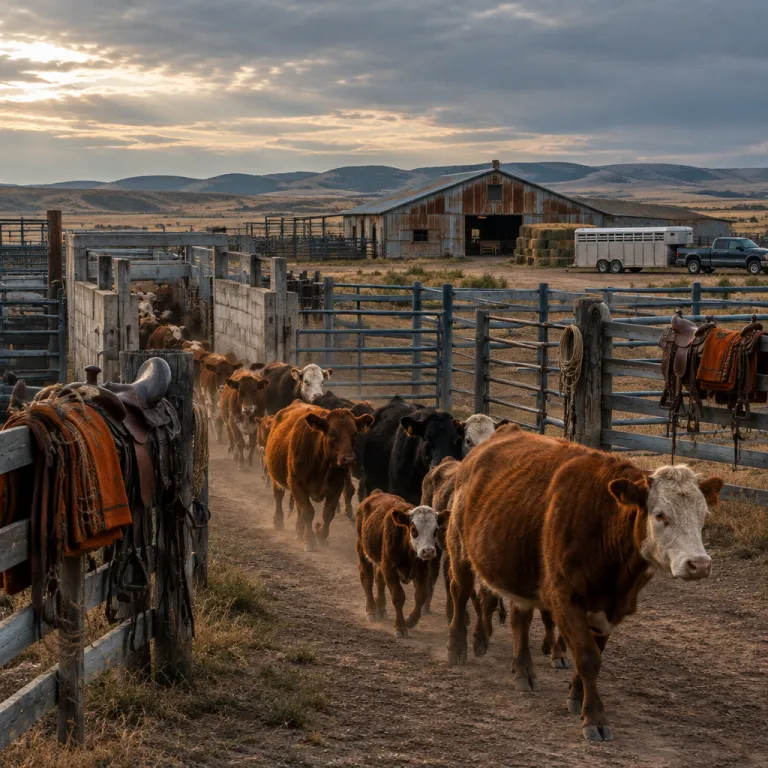
From brochure fantasy to real working cattle ranch vacation guest participation
Most travelers searching for a working cattle ranch vacation guest participation opportunity are not looking for a staged arena lesson. They want a working cattle ranch stay where guests step into the actual cattle work, riding out with the ranch équipe at first light and returning dusted, tired, and quietly elated. On a luxury focused booking platform, the challenge is separating a polished dude ranch marketing promise from a guest ranch that truly runs real cattle across big country.
At properties like C Lazy U in Colorado, the working cattle ranch experience is built into the weekly rhythm, and guests spend most of the day in the saddle rather than at the pool. This is where a ranch vacation stops being a themed escape and becomes a working ranch immersion, with cattle drives that support grazing rotations and ranch life rather than a two hour photo opportunity. When we evaluate ranches for inclusion, we look at herd size, land capacity, and how often cattle drives or cattle work days appear on the calendar, not just whether the website mentions working cattle in passing.
True working cattle ranch vacation guest participation also means limits, and that is a good sign for you. A ranch that caps the number of ranch guest riders on a gather, or reserves certain cattle work for returning guests with proven riding skills, is usually protecting both livestock and people. When you read that a property is open for ranch vacations only in specific months, or that cattle drives run in small groups, you are seeing operational honesty rather than dude ranch theatre, and a signal that the ranch is prioritizing real cattle work over volume tourism.
What real cattle work involves, and who should sign up for it
On a genuine working ranch, cattle work is not a trail ride with a story attached. It is a sequence of precise tasks — riding drag in the dust behind the herd, holding a gate against pressure, or flanking cattle quietly along a fence line — that demands balance, patience, and respect for the team. If you are booking a working cattle ranch vacation guest participation package, expect long hours of horseback riding at walk and trot, with short bursts of faster riding when the cattle decide to test the line.
Ranchers in Wyoming and Montana will tell you that intermediate riding skills are the minimum for joining a serious cattle drive. Before you commit to a ranch stay built around cattle drives or team penning, read the weight policies and skill requirements as carefully as you would a luxury hotel’s fine print, and use a specialist guide on horse ride weight limit policies at luxury guest ranches such as the one on guestranchstay.com. Properties that ask guests to lope confidently in open country, mount from the ground, and control a horse with one hand are not gatekeeping; they are protecting their horses and their cattle ranch operations.
For many couples, the most rewarding ranch experience comes from matching ambition to ability. If one guest is a confident rider and the other is newer to the saddle, choose a guest ranch where the working cattle program runs alongside gentler dude ranch trail rides, so each person can work at their own pace. A good ranch team will assess your riding during the first hours, then place you either in the main cattle work group or in a support role that still contributes to ranch life without overreaching your capacity, such as checking water, helping with gates, or riding a shorter loop.
Seasonality, open months, and when cattle drives feel authentic
Authentic cattle work follows grass, water, and weather, not school holidays. Spring branding and pairing, usually across April and May, and the fall gather in September and October, are the peak windows when working cattle ranch vacation guest participation aligns with the ranch’s heaviest workload. If a ranch claims daily cattle drives in the hottest summer months, ask whether you will be moving real cattle to fresh pasture or looping the same gentle steers around a scenic meadow.
Many guest ranches open their doors to guests in a defined season, sometimes with an open June start that coincides with turning cattle out onto higher pastures. In Montana, operations curated by Montana Bunkhouses often structure ranch vacations around these natural cycles, so a ranch stay in early summer might involve checking fences and salt, while a later ranch vacation focuses on gathering cattle before the first storms. In Wyoming, some dude ranches pair wildlife tours with early morning cattle work, and you can read more about premium ranches with wildlife tours and immersive adventures in luxury and nature on guestranchstay.com, which discloses when ranches are primarily tourism focused versus production oriented.
When you browse a booking site, look for calendars that show specific cattle drives, team penning clinics, or multi day cattle work blocks rather than vague promises of ranch life. A working ranch that lists limited guest weeks for cattle drives is usually being honest about its capacity to host guests without disrupting operations. For couples planning a vacation around riding, this clarity lets you align your stay with the exact ranch experience you want, whether that is branding calves in the corrals or riding drag on a long push across open country, and helps you avoid disappointment if cattle work is light during your chosen dates.
Ranchers’ perspective on guest labor, safety, and liability
From the rancher’s side of the fence, working cattle ranch vacation guest participation is both an opportunity and a responsibility. Extra hands can help move a big herd across rough country, yet every additional guest in the saddle increases the risk profile for the ranch, the horses, and the cattle. This is why fewer ranches offer genuine cattle work than advertise it, and why the ones that do tend to be selective about which guests join the main équipe.
Hosts such as V6 Ranch in California, Double Rafter Ranch in Wyoming, TA Ranch near Buffalo, and the Montana Bunkhouses collective treat guests as temporary members of the work team rather than spectators. Their cattle drives support grazing plans, and the camping under the stars is a logistical necessity, not a themed add on, which means your ranch stay will follow the same early starts and late finishes as the resident crew. When you read their pre arrival notes — “Check weight limits. Assess riding skills. Book in advance.” — you are seeing the safety and liability calculus written in plain language, often backed by insurance requirements and state regulations.
Luxury focused travelers sometimes expect a dude ranch to bend ranch life around guest comfort, but the most rewarding ranch vacations flip that assumption. You adapt to the working ranch schedule, accept that weather or cattle behavior may change the plan, and trust the ranch team to call you off a cattle drive if conditions exceed your capacity. That is not a downgrade from premium service; it is exactly how a responsible cattle ranch protects its horses, its people, and its long term ranch experience for future guests.
How to choose a luxury guest ranch that actually works cattle
Choosing a property for a working cattle ranch vacation guest participation stay starts with language. A guest ranch that talks about authentic cattle work, real cattle herds, and specific tasks such as gate work or riding drag is usually more serious than a dude ranch that leans on generic Western imagery. Look for ranches that publish herd numbers, grazing acreage, and the number of months each year when cattle are on the home range, and pay attention to whether cattle work is described as central to the operation or as an occasional add on.
On a curated platform like guestranchstay.com, we filter ranches by the depth of their ranch experience rather than the gloss of their décor. We ask whether the ranch is a working ranch first and a hospitality business second, or a resort that adds a themed cattle drive once a week for photos, and we examine how many guests can join each cattle work day without overwhelming the horses. Families can cross reference this with detailed guides on what children actually do all day at dude ranches, ensuring that both adults and younger riders have age appropriate roles during a ranch vacation.
For couples, the final step is matching your riding and fitness to the property’s demands. If you want long days of horseback riding with minimal spa time, choose operations like those in the Montana Bunkhouses network or Wyoming cattle ranch outfits that cap guest numbers and focus on working cattle rather than arena games. If you prefer a blend of trail riding, light team penning, and evenings by the fire, a more traditional dude ranch or one of the many dude ranches that mix ranch life with resort comforts will suit you better, while still offering enough cattle work to feel the rhythm of the range.
FAQ
What should I pack for a working cattle ranch vacation that includes cattle drives ?
Bring durable clothing, boots, hat, and personal items. Add riding gloves, a long sleeved shirt for sun and brush, and layers that work across cool mornings and hot afternoons. Most ranches provide saddles and basic gear, but you should confirm any specific equipment needs before your stay, including whether helmets are supplied or required.
Do I need prior riding experience to join real cattle work on a ranch vacation ?
Basic riding skills are recommended; some ranches offer training. For full day cattle work, most working ranch hosts expect you to control a horse at walk and trot in open country and to mount and dismount independently. If you are new to riding, choose a guest ranch that offers arena lessons and progressive trail rides before you attempt a full cattle drive.
Are there age or weight restrictions for guests on cattle drives ?
Age requirements vary; check with the specific ranch. Many guest ranches set minimum ages for long cattle drives and may restrict children to shorter rides or arena based ranch life activities. Weight limits are common to protect horse welfare, so review each ranch’s policy carefully before you book and be prepared for the ranch to verify your stated weight on arrival.
How long do authentic cattle drives usually last during a ranch stay ?
There is no single standard length for cattle drives during a ranch vacation. Some ranches schedule a single long push within a weeklong stay, while others build several shorter cattle work days into the program. Always check the detailed itinerary to understand how many hours you will actually spend moving cattle, and ask whether weather or pasture conditions might shorten or extend those days.
How many ranches currently offer genuine working cattle experiences to guests ?
Only a small fraction of guest ranches integrate visitors into real cattle operations rather than staged activities, and the exact number changes as programs evolve. Specialist networks that focus on working ranch stays typically highlight a core group of hosts, including properties such as V6 Ranch, Double Rafter Ranch, TA Ranch, and the Montana Bunkhouses collection. Availability shifts with seasons and herd movements, so it is wise to confirm current programs directly with the ranch before finalizing your vacation dates.