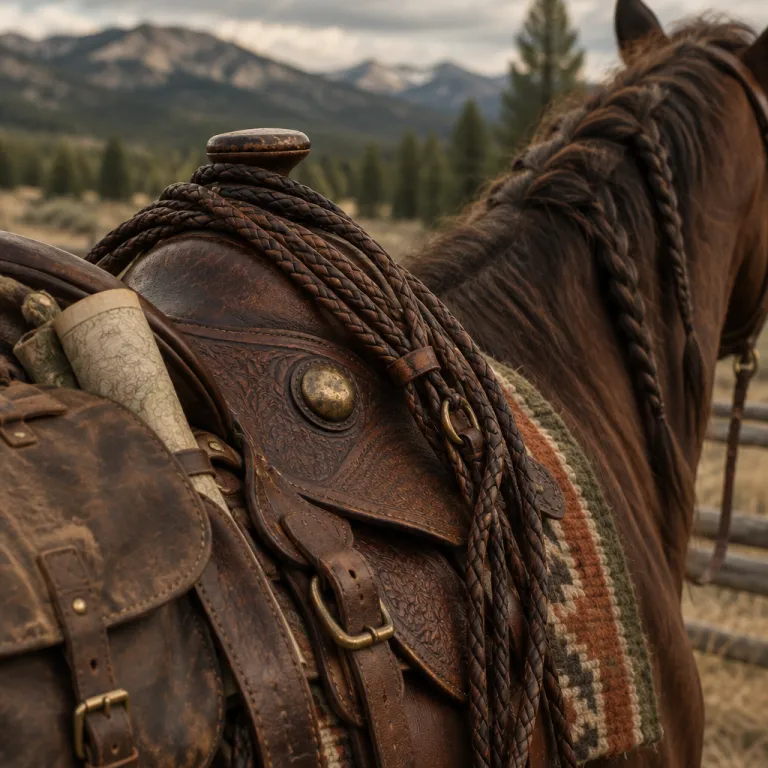
Why horseback riding in Whitefish Montana belongs on your luxury ranch itinerary
Horseback riding in Whitefish Montana combines alpine scenery with refined guest ranch comfort. Riders follow a mountain trail that looks toward Glacier National Park while returning at night to polished cabins and attentive service. This balance of rugged horseback trail adventure and curated amenities defines the modern luxury ranch experience around Whitefish.
Many travelers visit western Montana for Glacier National Park scenery yet underestimate how intimate a horseback ride can feel. From the saddle you hear only horses breathing, leather creaking, and the wind moving across the lake. That quiet experience is why experienced riders often say a single guided ride near Whitefish can reshape how you feel about the American West.
Premium guest ranch hosts now design horseback rides as part of a broader travel guide to the region. Your stay might include a private ride at sunrise, a guided wildlife tour by vehicle, and a chef prepared dinner that highlights local ingredients. When horseback riding in Whitefish Montana is framed this way, the park views become one chapter in a much richer story.
The landscape: from Whitefish to Glacier National Park
The geography around Whitefish, Montana creates a natural playground for horseback trail routes. To the north and east, Glacier National Park peaks rise sharply, while to the south the Swan Mountain range rolls into forested foothills. Between them, guest ranch properties sit on open meadows that feel made for horses and long trail rides.
Riders who visit in the main summer window from June to September enjoy firm ground, long daylight, and clear views toward Glacier Park. Many ranches near Whitefish plan their most ambitious horseback rides during this June–September period, when snow has melted from higher passes. For guests who prefer quieter stays, late season travel in September with cooler mornings can feel especially refined and calm.
Luxury ranch concierges often coordinate with local mountain outfitters based near West Glacier or along the Swan Mountain corridor. These Montana licensed guides know which trail will be quietest on a busy park day and where horses handle the footing best. When you book horseback riding in Whitefish Montana, that local knowledge can mean the difference between a crowded outing and a serene, almost private ride.
Choosing the right guest ranch near Whitefish for elevated trail rides
Selecting a guest ranch around Whitefish is less about quantity of activities and more about the quality of each horseback experience. Some properties focus on short introductory trail rides, while others build multi hour horseback rides that reach remote viewpoints. Clarifying whether you want gentle loops or ambitious mountain routes will narrow your options quickly.
Look for a guest ranch that treats horses as partners rather than simple equipment. Well run stables match horses carefully to both beginners and experienced riders, and they limit the size of each guided group. Around Whitefish, smaller groups allow wranglers to adjust the pace, answer questions, and maintain safety on narrow trail sections.
Luxury focused ranches also understand that modern travelers expect flexibility and clear policies. Many now offer partially refundable ride deposits and transparent terms if weather forces changes, often summarized in a pre arrival email. Before you visit, ask how they handle rain shine conditions, whether they cap group sizes, and how far in advance you must confirm specific horseback rides.
Essential packing and preparation for Montana guided rides
Thoughtful packing makes horseback riding in Whitefish Montana more comfortable and safer. Closed toe shoes with a small heel, long trousers, and layered clothing work well for both sun and sudden mountain wind. Because rain shine departures are common, a lightweight waterproof shell and gloves can transform a chilly horseback ride into a pleasant outing.
Many premium ranches share a detailed packing checklist before you travel. For a deeper overview of what ranches typically provide versus what you should bring, consult this dedicated guest ranch packing list. When you visit western Montana, that preparation lets you focus on the scenery rather than worrying about forgotten essentials.
Guests should also learn basic trail etiquette before their first horseback ride. Wranglers will explain how much space to leave between horses, how to signal if you feel uncomfortable, and what to do when wildlife appears near the trail. These small habits help both horses and riders relax, especially on narrow mountain paths above Glacier National Park valleys.
Signature horseback experiences: from Swan Mountain to West Glacier
The region around Whitefish offers several distinct zones for horseback riding, each with its own character. South of town, Swan Mountain terrain features dense forest, hidden lakes, and long ridgelines that suit full day trail rides. North and east toward West Glacier, routes open to broad views of Glacier Park and the surrounding national forest.
Many ranches near Whitefish partner with Swan Mountain Outfitters or similar mountain outfitters for specialized excursions. These Montana guided professionals design horseback trail routes that match your skill level, whether you prefer gentle riverbank paths or steeper climbs. For experienced riders, a longer tour that links multiple valleys can feel like a moving panorama of western Montana.
Some itineraries pair horseback riding in Whitefish Montana with other classic western pursuits. After a morning ride near West Glacier, guests might enjoy an afternoon of casting for trout on a clear river. For those curious about that side of ranch life, this detailed guide to fly fishing at guest ranches explains why many riders become anglers after their last ride of the day.
Rain or shine: planning for variable mountain weather
Weather in the mountains around Glacier National Park can shift quickly, even in midsummer. Many outfitters operate on a rain shine basis, adjusting routes and timing rather than canceling outright. When you book horseback rides, ask how they adapt the experience if clouds build over the mountain passes.
Luxury guest ranch teams monitor forecasts closely and coordinate with local outfitters by phone and email. If a storm approaches West Glacier, they might move your horseback ride to a more sheltered Swan Mountain trail. That flexibility keeps trail riding near Whitefish enjoyable while respecting both safety and guest expectations.
Guests should pack for sun, wind, and light rain on every tour. A brimmed hat that fits under a helmet, sunglasses with a strap, and a compact rain layer fit easily into saddle bags. With the right gear, even a moody sky over Glacier Park can feel atmospheric rather than inconvenient.
Clydesdale outpost and other premium stables near Whitefish
Among the stables serving the Whitefish area, Clydesdale Outpost stands out for its distinctive horses and elevated atmosphere. Here, towering Clydesdale horses carry guests along the Stillwater River and through open meadows, offering a different rhythm from lighter trail mounts. For many travelers, a single horseback ride on a Clydesdale becomes the most memorable part of their Montana stay.
These draft horses move with calm power, which can reassure both beginners and experienced riders. Their size allows them to handle varied terrain, from sandy riverbanks to gentle mountain inclines, without rushing. One recent guest summed it up simply: “I felt like I was floating through the valley, but the horse never took a wrong step.”
Other guest ranch stables around Whitefish focus on agile quarter horses or mixed breeds better suited to steeper mountain trails. Whether you choose Clydesdale Outpost or another stable near Whitefish, ask how they match horses to riders and what kind of terrain each herd handles best. That conversation helps ensure your horseback rides align with both your confidence level and your appetite for adventure.
Behind the scenes: how outfitters care for horses
Responsible outfitters in western Montana place horse welfare at the center of every decision. Daily routines include careful feeding, regular veterinary checks, and rotation of horses between shorter and longer trail rides. Guests who value ethical travel often ask to learn more about these practices during their visit.
Wranglers will usually explain how they select which horses work in Glacier Park adjacent terrain versus gentler ranch meadows. Heavier work near West Glacier or on steeper Swan Mountain paths is balanced with rest days and lighter duties. When you go horseback riding in Whitefish Montana, noticing these details can deepen your appreciation for the horses themselves.
Many luxury guest ranches also limit the total number of rides each horse completes per day. This policy protects joints and muscles, especially on rocky mountain trails, and it keeps horses mentally fresh. As a guest, you benefit from mounts that feel willing, attentive, and ready to respond on every tour.
Designing a refined multi day itinerary around Glacier National Park
A thoughtfully planned stay built around horseback riding in Whitefish Montana can feel as polished as any European countryside escape. One classic pattern includes a half day horseback ride on arrival, a full day Glacier National Park tour, and a final morning ride before departure. This structure gives your body time to adjust to the saddle while still maximizing time with the horses.
Many travelers choose to visit both Glacier Park and the surrounding national forest rather than focusing only on the main park roads. A private driver can link your guest ranch, West Glacier trailheads, and Whitefish dining with minimal effort on your part. For those seeking seamless transfers, this dedicated guide to a private chauffeur service in Montana explains how door to door logistics can elevate a ranch itinerary.
During the June–September window, daylight allows for early rides followed by leisurely afternoons. Some ranches near Whitefish schedule yoga, spa treatments, or wine tastings after longer horseback rides to help muscles recover. When September brings cooler evenings, fireside tastings and stargazing replace late night patio gatherings, giving the trip a more intimate tone.
Balancing horseback rides with other mountain activities
Even passionate riders benefit from alternating horseback days with lighter activities. Gentle hikes near West Glacier, lake cruises, or relaxed afternoons in Whitefish town provide variety and rest. This balance keeps your body fresh for the next horseback ride while allowing you to experience more of Montana culture.
Guest ranch concierges often act as an informal travel guide, suggesting which days suit Glacier National Park visits versus local excursions. They consider trail conditions, park crowd patterns, and your previous riding experience when shaping the schedule. When horseback riding around Whitefish is woven into a broader tapestry of activities, the entire stay feels more layered and satisfying.
Some itineraries also include culinary experiences that highlight regional ingredients after a day on the trail. Think grilled Montana beef, local huckleberries, and wines chosen to pair with hearty ranch suppers. These evenings become natural moments to share stories from the day’s horseback rides with fellow guests.
Booking strategies, refundable policies, and communication with outfitters
Securing the best horseback riding in Whitefish Montana experiences requires early, thoughtful booking. Premium time slots for sunrise or sunset trail rides near Glacier Park often fill months in advance. If horseback rides are central to your trip, reserve them three to six months ahead of peak summer dates before locking in flights.
When reviewing offers, pay close attention to refundable and non refundable elements. Some guest ranch packages bundle multiple horseback rides, Glacier National Park shuttles, and meals into a single rate with partial flexibility. Others separate lodging from activities, allowing you to adjust individual trail rides closer to arrival.
Clear communication with both your ranch and any external outfitters is essential. Use email to confirm ride times, meeting points near West Glacier or Swan Mountain, and any weight or age limits for riders. Keeping a written record of these details helps avoid confusion, especially when weather or park conditions change quickly.
Tailoring rides for beginners and experienced riders
Luxury ranch teams excel at matching the right ride to the right person. Beginners often start with shorter, flatter trail rides on calm horses, focusing on balance and basic cues. Experienced riders, by contrast, may request longer Montana guided tours that include steeper mountain sections and more varied paces where conditions allow.
When you book, be candid about your riding history and fitness level. Outfitters near West Glacier and Swan Mountain use this information to assign suitable horses and choose appropriate routes. Honest conversations lead to safer, more enjoyable horseback riding in Whitefish Montana for everyone involved.
Families or mixed ability groups can often split into parallel rides that reconvene for lunch or evening activities. One subgroup might follow a gentle horseback trail along a river, while another tackles a more demanding mountain loop. This approach ensures that both cautious riders and confident equestrians feel challenged at the right level.
Key figures about luxury horseback riding around Whitefish
- Glacier National Park reports more than two million recreational visits annually, with peak visitation concentrated between late June and early September, which aligns with the prime season for horseback riding in Whitefish Montana (source: U.S. National Park Service visitor use statistics).
- Guided trail rides in the Whitefish and West Glacier area typically range from 1 to 6 hours in duration, with most first time guests choosing 2 hour rides as an ideal balance between comfort and scenery (source: regional outfitters’ published programs).
- Many guest ranch properties around western Montana operate on a seasonal basis of roughly 120 to 140 days per year, which encourages travelers to book key horseback rides at least three to six months in advance for peak dates (source: ranch operator disclosures).
- Average summer daytime temperatures near Whitefish range from about 20 to 27 degrees Celsius, creating comfortable conditions for trail rides when combined with early morning or late afternoon departures (source: National Weather Service climate summaries).
- Commercial outfitter regulations in Montana require permits for guiding within national forests and Glacier National Park adjacent lands, which limits the number of licensed operators and helps protect both trails and wildlife habitats (source: Montana Fish, Wildlife & Parks and U.S. Forest Service guidelines).
FAQ about horseback riding in Whitefish and nearby guest ranches
When is the best season for horseback riding in Whitefish Montana ?
The prime season for horseback riding in Whitefish Montana runs from roughly June to September, when trails are clear of snow and daylight is long. Early summer offers lush meadows and cooler temperatures, while late summer and early autumn bring stable weather and fewer crowds. Shoulder season rides may be available at lower elevations, but high mountain routes often remain snow covered outside this window.
Do I need prior riding experience to join guided trail rides ?
Most guest ranches and outfitters around Whitefish welcome beginners on guided trail rides. Wranglers provide basic instruction before departure, match horses carefully to each rider, and choose gentle routes for those without experience. More technical mountain trails and faster paced rides are usually reserved for experienced riders who can demonstrate control and balance in the saddle.
How far are the riding areas from Glacier National Park ?
Many stables and guest ranches operate within a 30 to 60 minute drive of Glacier National Park entrances such as West Glacier. Some Montana guided rides take place on lands adjacent to the park or within nearby national forest areas that share similar scenery. Because permits and regulations vary, outfitters will explain exactly where each ride occurs relative to official park boundaries.
What should I wear and bring for a day on the trail ?
Riders should wear long trousers, closed toe shoes with a small heel, and layered clothing suitable for changing mountain weather. A brimmed hat that fits under a helmet, sunglasses with a strap, sunscreen, and a light rain jacket are also recommended. Many guest ranches provide helmets and saddle bags, but it is wise to confirm details in advance by email.
Are horseback riding reservations typically refundable ?
Refundable policies vary between guest ranches and independent outfitters in the Whitefish and West Glacier region. Some require a non refundable deposit with partial refunds available up to a certain number of days before the ride, while others offer more flexible terms during shoulder seasons. Always review written confirmation carefully and ask how weather, park closures, or health issues affect your ability to reschedule or receive credit.