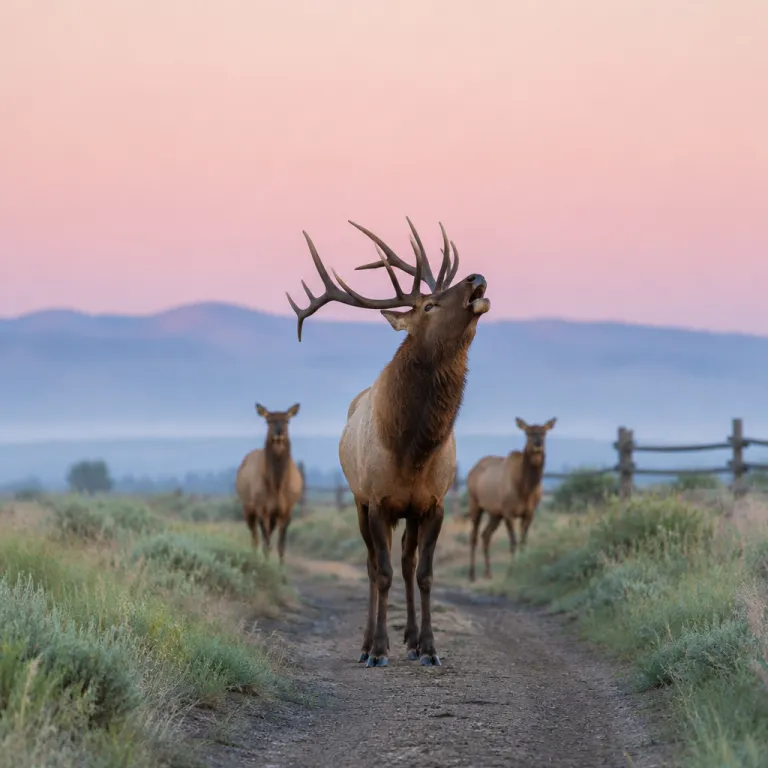
Elk rut basics for ranch guests in autumn
Elk bugling season at the ranch is about sound before sight. During this autumn mating season, a dominant bull elk gathers cows into a harem and defends them with a mix of bugles, grunts, and antler posturing that shapes the entire elk rut. For guests who usually associate a national park with summer crowds, this quieter fall window at a working ranch offers a more intimate view of wildlife behavior and a calmer way to experience protected nature.
Think of elk bugling as a high, echoing whistle that slides into a guttural roar. The call carries across open meadows, down a river corridor, and through forested canyon walls, turning a simple ride along a ranch trail into a full fall wildlife encounter. When the air cools and the first frost settles, the whole season shifts, and guests begin to notice how every sound, from distant hooves on a trail to clashing antlers, signals a new phase of the elk rut and the broader mating season story.
On premium ranch properties in Colorado, Montana, Wyoming, and northern New Mexico, the daily rhythm bends around this mating season. State wildlife agencies such as Colorado Parks and Wildlife and Montana Fish, Wildlife & Parks generally report peak rut activity from early September through mid October, and wranglers time early rides so guests reach a high park like clearing just as the first bull elk steps from the timber. They often pause in silence so horses and riders can listen together, and by late morning, the road back to the barn feels different, because you have heard the landscape rather than just seen the grand view.
Where ranch country meets elk corridors and national parks
Some of the most rewarding elk encounters happen where private ranch land brushes against a national park boundary. In these transition zones, elk use ranch pastures as nighttime feeding grounds, then slip toward a visitor center area or higher park basin by day, following traditional migration trails that predate any road or fence line. Guests staying at a luxury ranch in these corridors often enjoy a better view of the daily elk commute than day visitors who only contact wildlife from a crowded parking lot or overlook.
In Colorado, ranches west of Rocky Mountain National Park sit along river valleys that funnel elk between high tundra and lower meadows. A pre dawn ride might follow a soft dirt trail above the water, where the air smells of sage and frost and the first bugle rolls down from a shadowed ridge, while a late afternoon tour by vehicle uses back roads to reach open benches above the canyon. For travelers planning a September stay, this is where a curated, quieter season at the ranch can easily outperform a rushed park day, and you will find more detail in our guide to why the quiet season delivers the ride of your life.
Farther north in Montana and Wyoming, guest ranches near Yellowstone and Grand Teton sit along braided river systems that elk use as travel corridors. Here, guests may ride from cottonwood bottoms up to a grand overlook where they can scan for a single bull elk pushing cows across a side canyon, or watch multiple elk during peak rutting season as they move between park and ranch lands. The National Park Service publishes annual elk monitoring summaries for these areas, and the key for visitors is choosing a property that treats wildlife as part of its identity, not as a marketing afterthought, and that publishes clear news updates about current elk activity and trail access.
Riding into the rut: timing, etiquette, and the autumn trail
Horses change the entire dynamic of an elk bugling season ranch stay. To elk, a string of calm horses on a narrow trail reads as another herd, not as a line of upright predators, which allows guests to approach within a respectful distance without triggering panic. That is why many ranches schedule their most wildlife focused rides at first light and again near dusk, when elk move between bedding slopes and open feeding areas along the river and across open benches.
A typical morning might start with coffee in the dark, then a quiet ride out of the main ranch yard before the first news from the canyon arrives in the form of a distant bugle. Wranglers keep conversation low, letting the soundscape lead, and they position guests so the wind carries human scent away from any bull elk that might be staging his harem near a meadow edge. When the herd appears, riders stop well short of the animals, often using a bend in the road or a line of trees as a natural blind, and the etiquette is simple: stay mounted, stay quiet, and let the horses decide the pace while you enjoy the view.
Evening rides often reverse the pattern, following gentle trails from open pastures into timbered benches where elk stage before dropping to the river to feed. The best ranches brief guests on safety and ethics before every wildlife focused tour, explaining why binoculars matter more than proximity and why no photo is worth pushing a bull elk during the height of the elk rut. If you travel with your own horse, look for properties that function as refined equine hotels, such as those highlighted in our guide to elegant guest ranch escapes with your horse, and confirm in advance how they manage wildlife encounters on shared trails.
Beyond elk: the wider fall wildlife calendar at the ranch
While elk bugling dominates the soundtrack, fall at a western ranch is a broader wildlife story. Moose move along willow choked river banks, mule deer filter through aspen stands, and raptors ride cold air thermals above the canyon, all responding to the same seasonal cues that drive the elk rut. Guests who stay several nights often notice how each day’s news from the wranglers shifts, from where a bull elk challenged a rival on a high park bench to where a coyote followed the trail of a late season calf.
Predator activity often increases as prey animals move more predictably during the mating season. That does not mean guests are likely to see wolves or mountain lions on every tour, but it does mean ranch managers think carefully about which trails remain open at dawn and dusk, and how they brief riders on what to do if they encounter fresh tracks or a carcass near the road. For travelers concerned about changing conditions, especially smoke or fire in canyon country, our report on how western wildfires are reshaping ranch tourism offers practical context before you book.
Birdlife also peaks in this shoulder season, with migrating hawks and eagles using the same ridgelines that give guests a grand view of the valley floor. On some ranches, a mid day walking tour from the main lodge to a nearby visitor center style interpretive area introduces guests to local conservation projects that protect riparian nature along the river and maintain open corridors between ranch and national park lands. The result is a layered autumn wildlife experience, where every trail, from a short family friendly loop to a longer backcountry road ride, offers a different angle on how animals use the landscape.
Safety, ethics, and choosing the right elk season ranch stay
Luxury in elk country is less about thread count and more about how a ranch handles wildlife. The best properties set clear viewing distances for elk, close certain trails during the most intense phase of the mating season, and train staff to read animal behavior long before guests notice a restless bull elk. When you contact a ranch to book, ask specific questions about how they manage the elk rut, how they coordinate with nearby national park rangers, and how they communicate daily wildlife news to guests.
Safety starts with distance, and distance starts with optics. A good pair of 8x42 binoculars or a compact 20–60x spotting scope lets you stay well back from a herd while still appreciating the detail of a bull elk raking his antlers on a sapling or pushing cows across an open park like meadow. Many ranches now provide shared optics on guided tour outings, but serious wildlife travelers often prefer to bring their own, especially if they plan to split time between ranch rides and self guided drives along scenic road corridors near a visitor center.
Ethics extend beyond elk to the entire autumn community of animals that share the ranch. Responsible operators limit night driving on ranch roads to reduce collisions, keep dogs under control near river habitats, and design family activities that teach children why staying on a marked trail protects both fragile nature and the integrity of the fall wildlife experience. When you evaluate options, look for properties that publish transparent wildlife guidelines, maintain open communication about seasonal closures, and treat every guest as a partner in keeping this grand spectacle wild.
Planning your own elk bugling season ranch wildlife autumn experience
For solo travelers, the key is matching your expectations to the rhythm of the rut. If you want maximum elk bugling, aim for the heart of the mating season, when bull elk are most vocal at dawn and dusk and ranch schedules lean into early starts and late returns along wildlife rich trails. Guests who prefer a quieter feel might choose the shoulders of the season, when the air is crisp, the road traffic to nearby parks has thinned, and the focus shifts slightly toward broader nature watching along the river and in side canyon habitats.
Booking through a specialist platform that understands guest ranch nuance helps filter the options. Look for listings that specify proximity to a national park or major elk corridor, describe the typical view from key vantage points, and outline how many guided tour departures focus on wildlife rather than purely on riding skills or family programming. Before you confirm, contact the ranch directly to ask about current elk news, recent trail conditions, and how they balance open access with necessary closures during the peak of the elk rut.
Travel logistics matter as well, especially in remote valleys where a single road in and out can be affected by early snow or late season storms. Build a buffer day into your itinerary so you can adjust if a storm temporarily closes a canyon pass or if a ranger suggests shifting your national park visit to avoid congestion at a popular visitor center. With a bit of planning, you can shape a stay where every ride, walk, and quiet moment on the porch feels anchored in the living drama of elk bugling season at the ranch.
FAQ
When is the best time to hear elk bugling at a ranch ?
The most reliable elk bugling usually happens from early September through mid October, aligning with the peak of the mating season. At ranches in Colorado, Montana, Wyoming, and New Mexico, dawn and dusk are the prime windows, when bull elk move between bedding slopes and open feeding areas. State wildlife agency reports and National Park Service monitoring summaries generally support this timing, and booking at least three nights gives you multiple chances to catch strong vocal activity, even if weather or wind quiets things on a particular day.
Is it safe to watch the elk rut from horseback ?
Watching the elk rut from horseback is generally safe when guided by experienced wranglers who understand animal behavior and local terrain. Horses are less threatening to elk than hikers on foot, which allows riders to observe from an appropriate distance without causing stress to the herd. Reputable ranches brief guests on safety, maintain clear viewing buffers of at least 75–100 yards (about 70–90 meters), and will turn back or reroute a ride if a bull elk shows signs of agitation such as repeated head tossing, pacing, or sudden changes in direction.
How close will I get to elk during my stay ?
Distance varies by property and by individual animal behavior, but ethical ranches prioritize the welfare of elk over close up photos. Expect to watch most rut activity from tens to hundreds of meters away, often using binoculars or a spotting scope from a fixed vantage point. Any operator who promises guaranteed close encounters with bull elk during the rut is not respecting safe or responsible viewing standards, and guests should treat such claims as a warning sign when choosing where to stay.
Do I need special gear for an elk bugling season ranch wildlife autumn experience ?
Beyond standard ranch clothing, the most useful items are layered, weather resistant outerwear, warm gloves, and a hat that fits under a riding helmet. Optics matter more than camera gear, so prioritize good 8x42 binoculars over a heavy lens you may not want to carry on a horse. Closed toe boots with a defined heel are essential for riding, and a small daypack helps you manage extra layers on longer wildlife focused tours while keeping your hands free on the trail.
Can families with children enjoy elk rut season at a ranch ?
Families can absolutely enjoy elk rut season, provided the ranch offers age appropriate activities and clear safety guidelines. Many properties design shorter, gentler rides or wagon tours that allow children to hear elk bugling without spending hours in the saddle. Ask in advance how the ranch structures family wildlife experiences, what minimum ages apply for specific rides, and how they teach younger guests to respect distance and quiet around wild animals so that the whole family can share the experience safely.