Why educational ranch stays matter for modern families
An educational ranch stay for kids in agritourism is no longer a niche idea reserved for horse-obsessed families. It has become a deliberate way for parents to connect their children with farm life, land stewardship, and the shape of real work beyond screens. On a well-run ranch or farm stay, agritourism is framed as a bridge between classroom theory and the daily rhythm of feeding animals, fixing fences, and reading the weather in a wide valley.
Luxury and premium guest ranches now design every stay experience so that children move between comfort and contact with a working landscape. You might wake up in a polished guest house or bed and breakfast suite, then step outside into fresh air that smells of hay, horses, and damp soil from an acre of working field. From that first view of the corrals and the mountain backdrop, the message is clear: this is a ranch where educational activities are not staged events but part of the ongoing life of a working farm.
Families booking through curated platforms such as guestranchstay.com are looking for more than a photogenic farm vacation. They want agritourism experiences where children understand why a regenerative farm rotates pastures, how a heritage farm preserves local breeds, and what it means when a wrangler says the horses will set the pace. For premium travelers, the real luxury is a safe, structured environment where kids handle farm animals, join age-appropriate ranch activities, and come home with stories that feel earned rather than purchased. As one Colorado ranch owner told a state agritourism survey, “Parents arrive for the scenery; they come back because their kids discovered they can actually work hard and love it.”
What “educational” really means on a working ranch
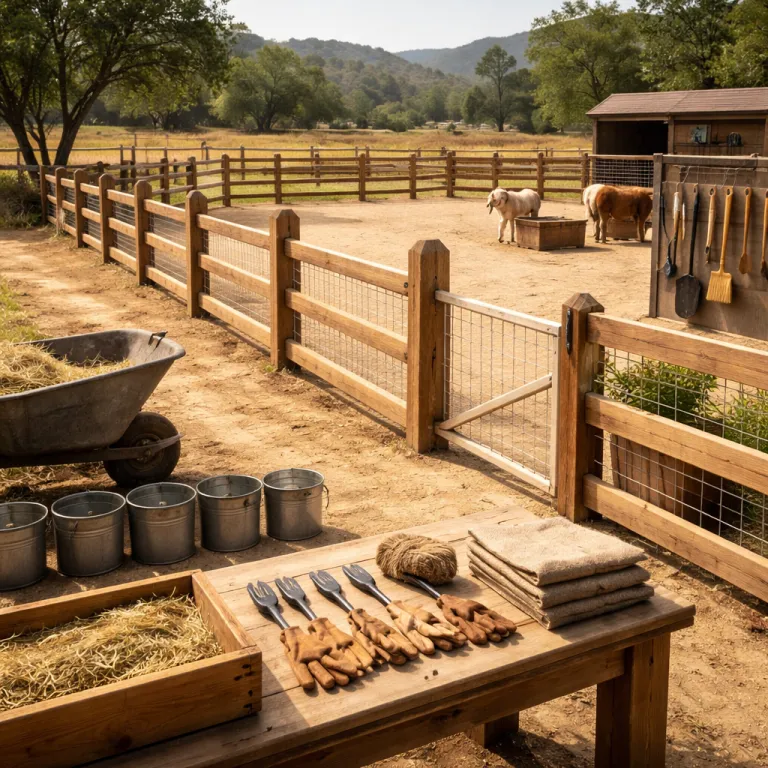
On a serious working ranch, the word educational is grounded in chores, not slogans. Children learn fencing by walking the line with a wrangler, checking posts, tightening wire, and seeing how a broken section affects the whole farm stay operation. Feeding is not a quick photo with farm animals near a petting zoo; it is an early morning round of measuring grain, hauling hay, and understanding why each species eats differently on a working farm.
Horsemanship sits at the heart of many educational ranch programs for kids, and it goes far beyond a single loop of horseback riding. Before any ride, children read the horses’ body language, groom them, and help tack up, which turns a simple ride into a layered stay experience about respect, safety, and partnership. For parents comparing properties in places like Jackson Hole, Wyoming, guides to authentic family ranch adventures help distinguish between a trail ride carousel and a ranch that treats horsemanship as a life skill.
Educational programming also covers land management, especially where regenerative agriculture is part of the ranch’s DNA. Children might walk irrigation ditches in a valley, test soil on a regenerative farm plot, or help seed a cover crop that will later feed cattle and protect the acre of working pasture from erosion. In the best agritourism experiences, every task is framed so kids see how small daily decisions shape long-term farm life, from the health of the herd to the taste of vegetables on the farm table at dinner. Studies from the National Children’s Center for Rural and Agricultural Health and Safety note that structured, supervised chores like these can build confidence and problem-solving skills when safety standards are clearly followed.
4-H partnerships, school links, and the River and Roots model
A new wave of educational ranch stay kids agritourism projects is emerging from formal partnerships with 4-H clubs and local schools. River and Roots Ranch near Bryceville in Florida is a notable example, planned as a six-acre agritourism site where school groups and families rotate through seasonal activities. Here, the goal is not only a pleasant farm vacation but a structured curriculum that turns each stay into a series of linked experiences across the year.
On properties like this, children might spend one visit focused on farm animals and basic care, then return for events centered on soil, water, and regenerative agriculture. A single acre of working plot can become an outdoor classroom where kids track plant growth, read simple data charts, and compare what they see with what they learned in science lessons. For families on a road trip through small towns, these ranches offer a rare chance to connect a farmers market visit, a farm table dinner, and a night in a guest house into one coherent story about where food comes from.
Premium guest ranches are watching this model closely, especially those in regions where conservation ranching and heritage farm preservation are driving land purchases. Some, like high-end properties in Bandera, Texas, are weaving similar ideas into their own programming, blending Western riding with hands-on land care in what many guests now call an educational ranch stay kids agritourism highlight. For parents, the appeal lies in knowing that the same ranch that serves polished meals and offers refined rooms is also serious about teaching children to mend a fence, plant a tree, and respect the work behind every glass of milk. National 4-H reports that more than six million young people participate in its programs annually, and ranches that align with that framework can tap into proven lesson plans and age-appropriate learning goals.
Choosing between working ranches and educational farms
When you browse a luxury booking website for guest ranches, the terms working ranch, farm stay, and educational farm can blur together. A working ranch usually prioritizes cattle, horses, and land management, with agritourism layered on top as time allows for guests. An educational farm, by contrast, often designs its entire stay experience around children’s activities, from structured petting zoo sessions to guided walks through vegetable plots and orchards.
Families seeking an educational ranch stay kids agritourism holiday need to decide how close they want their children to the full intensity of ranch life. On a true working farm, kids may see the less polished side of agriculture, from muddy boots to weather delays and the reality that animals are not always cute. Educational farms and heritage farm projects tend to curate the view more carefully, offering farm stays where children rotate through short, engaging activities that highlight farm life without exposing them to its hardest edges.
Premium properties now experiment with hybrids, where a regenerative farm operates alongside guest accommodation that feels closer to a refined bed and breakfast. In these places, you might spend the morning helping with farm animals, then retreat to a quiet terrace overlooking the valley for an afternoon rest before evening events. For parents comparing options, it helps to read program descriptions closely, ask how many hours per day children spend in hands-on activities, and check whether the ranch partners with outside educators or 4-H leaders for deeper workshops. The U.S. Department of Agriculture has noted steady growth in agritourism and recreational services income over the past decade, and that trend has encouraged more ranch owners to clarify whether they run a working operation, an educational center, or a blend of both.
What kids really retain: from seven year olds to teenagers
Children aged between five and eighteen are the core audience for most educational ranch stay kids agritourism programs, and their takeaways differ sharply by age. A seven year old might remember the feel of a horse’s warm neck, the thrill of feeding goats on a working farm, and the pride of carrying a small bucket without spilling. A fourteen year old, by contrast, is more likely to recall the discipline of early mornings, the logic of rotational grazing on a regenerative farm, and the quiet satisfaction of finishing a long fencing line.
At ranches like Focus Ranch, TAG Ranch, Hidden Pastures, Lucky Penny Ranch, and Red Valley Ranch, teams use hands-on learning, supervised activities, and interactive workshops to match tasks to each age group. Younger children might rotate between simple chores, a gentle horseback riding session, and time in a safe petting zoo area, while teenagers join more demanding experiences such as trail maintenance, irrigation checks, or helping at a farmers market stall. Over a typical five-day stay, that layering of experiences turns abstract ideas about responsibility and teamwork into muscle memory and stories they can retell long after the trip.
Parents often ask whether prior animal experience is necessary or if these programs are safe for children, and the answer is reassuringly consistent: “Programs typically cater to children aged 5–18.” “Do children need prior experience with animals?” “No prior experience is usually required.” “Are these programs safe for children?” “Yes, safety measures are strictly enforced.” For families used to urban life, that level of structure, combined with clear safety protocols and professional wranglers, makes it easier to let kids step into the unknown and learn what real work feels like under an open sky. One mother quoted in a University of Vermont extension study on farm-based education summed it up simply: “My son came home tired, sunburned, and proud. He finally understood why food matters.”
Planning a premium yet accessible family ranch escape
For many families, the barrier to an educational ranch stay kids agritourism holiday is not interest but price. Top-tier guest ranches with full board, guided horseback riding, and private valley views can rival luxury safari rates, especially in peak seasons. The good news is that a growing number of farms and ranches now offer shorter stays, shoulder-season discounts, and partnerships with schools that make the experience more accessible without diluting the educational core.
When planning, start by deciding whether you want a full-service ranch with inclusive pricing or a simpler farm stay that functions more like a rural bed and breakfast. The former may include all activities, from daily rides to evening campfire events, while the latter might charge per activity but offer more flexibility for a self-guided road trip through nearby small towns. Either way, look for properties that clearly explain how much of their land is acre working farmland, whether they follow regenerative agriculture practices, and how they integrate farm table meals into the overall stay experience.
It is also worth reading up on practicalities such as riding policies, especially if your child is new to horses or falls outside standard weight ranges. Resources like this guide to horse ride weight limit policies at luxury guest ranches help set expectations before you book. Combine that research with direct questions to the ranch about group sizes, staff qualifications, and daily schedules, and you will be well placed to choose a farm vacation that balances comfort, cost, and the kind of farm life lessons your children will carry into adulthood. Industry surveys from the Dude Ranchers’ Association suggest that many families now book three to six months in advance, so early planning can also unlock better rates and room choices.
Key figures shaping educational ranch stays
- Across the United States, a growing number of dedicated educational ranches now operate with structured children’s programs, reflecting a small but significant niche within the wider agritourism market. USDA Census of Agriculture data show that thousands of farms report income from agritourism and recreation, and a portion of those focus specifically on youth education.
- The typical duration of a formal educational ranch stay is around five days, long enough for children to move from novelty to routine and to take on more complex tasks by the end of the week.
- Interest in conservation ranching and the use of conservation easements has risen in recent years, encouraging more ranch owners to add regenerative agriculture and land stewardship content to their guest programming.
- Many educational ranches now partner with local schools, community organizations, and agricultural experts, which allows them to host school groups during term time and families during holidays, keeping facilities and staff engaged year-round.
FAQ about educational ranch stays for families
What age is best for an educational ranch stay with children ?
Most structured programs welcome children from about five to eighteen years old, with activities tailored to each stage. Younger kids focus on gentle animal contact and simple chores, while teenagers handle more demanding tasks such as fencing, trail work, or assisting with farmers market preparation. When you book, ask the ranch for sample schedules by age group to ensure the fit is right for your family.
Do kids need prior experience with horses or farm animals ?
Prior experience is rarely required, because educational ranch stay kids agritourism programs are designed for beginners. Staff introduce safety rules, demonstrate handling techniques, and supervise closely during all interactions with farm animals and horses. If your child is nervous, mention it in advance so wranglers can start with observation and light grooming before moving toward horseback riding.
How safe are working ranch environments for families ?
Reputable guest ranches and educational farms operate with strict safety protocols, from helmet use during rides to fenced-off areas around machinery and restricted zones on the working farm. Group sizes for children’s activities are usually kept small, and staff are trained both in animal handling and in youth supervision. Before booking, read the ranch’s safety policy carefully and do not hesitate to ask detailed questions about emergency procedures.
What should families pack for an educational ranch stay ?
Plan for sturdy closed-toe shoes, long trousers for riding, layers for changing mountain or valley weather, and sun protection for long days in fresh air. Many families also bring a reusable water bottle, a small notebook so children can read back and record their experiences, and gloves if fencing or gardening is on the schedule. Check with the ranch about any specific gear, such as rain boots for muddy seasons or swimwear if water activities are offered.
How can we keep costs manageable without losing the educational value ?
To balance budget and depth of experience, consider shorter midweek stays, shoulder-season dates, or properties that offer shared accommodation rather than fully private cabins. Some families pair a two or three night farm stay with a longer road trip through nearby small towns, visiting heritage farm museums and farmers markets along the way. Booking early, watching for family packages, and prioritizing ranches where most activities are included in the nightly rate can all help keep the overall cost under control.