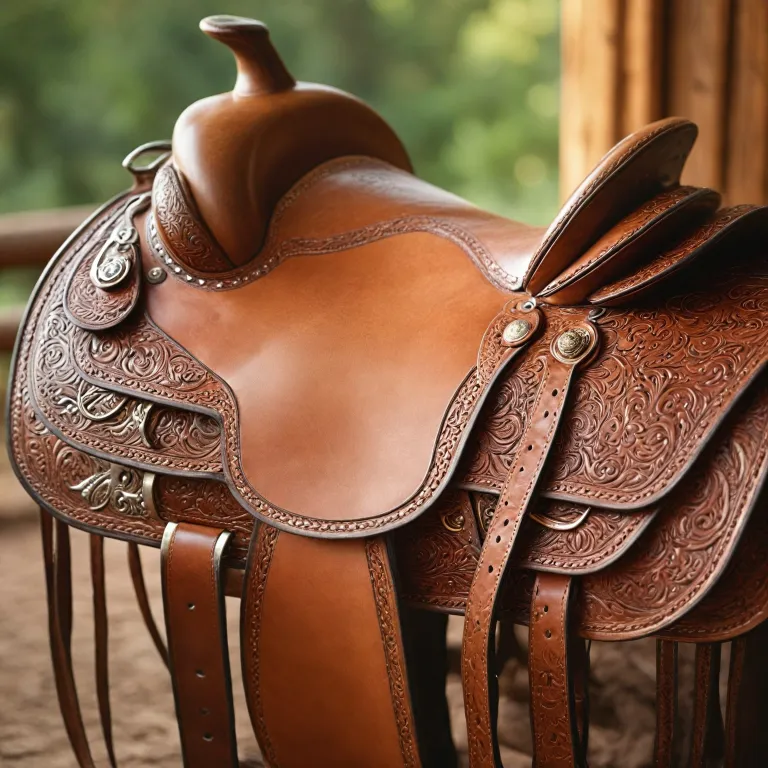
The cantle of a saddle as the quiet luxury hero at guest ranches
On a luxury guest ranch, the cantle of a saddle quietly defines how relaxed your ride feels. When a rider settles into the seat, the raised cantle supports the lower back and adds reassuring stability during long trail outings. This subtle support matters even more when premium ranches welcome beginners who may feel nervous around a powerful horse.
For high end properties, the choice of saddle and saddles inventory is as strategic as the wine list or spa menu. Managers work closely with saddlers to match saddle type and cantle types to different equestrian activities, from slow scenic hacks to faster western experiences. The goal is to align cantle height, saddle tree design, and saddle skirt proportions with the comfort expectations of luxury travelers.
Because many guests arrive with limited riding experience, the cantle angle becomes a key safety variable. A slightly higher cantle and supportive slope help prevent backward sliding, especially when the trail descends or the horse spooks unexpectedly. In equestrian equipment, “The cantle provides support and security to the rider, preventing backward sliding and enhancing comfort.”
Premium ranches often maintain several western saddles with different cantles so staff can adapt quickly to each rider. Taller cantle profiles suit cautious guests, while a lower cantle may be reserved for confident riders who want more freedom of movement. This thoughtful approach to cantle saddle selection underpins the trust that discerning travelers place in a luxury and premium booking website for guest ranches.
Understanding cantle height, angle, and types for refined rider comfort
When you browse a luxury and premium booking website for guest ranches, you rarely see technical terms like cantle height or cantle angle in the room description. Yet behind the scenes, these measurements shape how secure you feel in the saddle during every ride. Higher cantles offer more enveloping support, while a lower cantle gives a more open, agile seat.
Guest ranch wranglers evaluate each rider and then choose the saddle type and cantle types that best match body shape and confidence. A high cantle with a gentle slope can cradle the rider’s pelvis, easing tension in the back and hips. By contrast, a lower cantle with a straighter edge may suit riders who prefer to adjust their own posture more actively.
The angle cantle, or the way the cantle leans and curves, also influences comfort and balance. A well judged cantle angle keeps the rider centered over the horse, working with the saddle tree and bars rather than against them. Poorly matched cantles can push the rider forward or backward, undermining stability and increasing fatigue.
Luxury ranches therefore invest in western saddles and other horse saddles that combine ergonomic cantles with quality wood or composite trees. They monitor wear on parts saddle elements such as the cantle, skirt, and seat to preserve performance. When a cantle will no longer provide consistent support, it is either refurbished or the saddles are rotated out of guest use.
Western saddles, cheyenne roll details, and the aesthetics of premium gear
For many travelers, the first visual cue of authenticity at a guest ranch is the row of western saddles lined up by the arena. The shape of each cantle, the cheyenne roll finish, and the saddle skirt length all contribute to the ranch’s aesthetic identity. Luxury properties curate these details as carefully as they design suites or tasting menus.
A western saddle with a pronounced cheyenne roll at the cantle offers both style and function. The rolled edge softens the straight edge line, making the cantle more comfortable when the rider leans back slightly. On premium ranches, such cantles are often paired with high quality leather and refined stitching that signal craftsmanship to discerning guests.
Different saddle type options allow ranch teams to match visual style with practical needs. Saddles western that are used for scenic trail rides may feature a moderately high cantle and generous seat padding. Saddles reserved for faster work, such as barrel racing demonstrations, might use a slightly lower cantle and shorter skirt to allow quicker movement.
Even the boots guests wear interact with the saddle design and cantle profile. A secure heel and proper sole help riders maintain a balanced leg position, which in turn lets the cantle support the torso more effectively. When a luxury and premium booking website for guest ranches highlights well maintained tack and gear, it signals that every angle of the riding experience has been considered.
Cantle choices for different riding types, from trail comfort to barrel racing
Not every rider at a luxury guest ranch seeks the same experience, so cantle choices must reflect varied riding types. For relaxed trail excursions, a high cantle with a gentle slope and deep seat gives maximum comfort and psychological reassurance. Guests can lean into the support of the cantle when the horse navigates uneven ground or sudden changes in angle.
For more dynamic disciplines such as barrel racing, the relationship between cantle height and freedom of movement becomes more nuanced. Riders often prefer a slightly lower cantle that still offers a defined edge without locking the pelvis. This balance allows quick weight shifts while the cantle of a saddle continues to provide a safety margin against backward slipping.
Wranglers also consider how different saddle trees and bars distribute pressure across the horse’s back. A well designed saddle tree with the right cantle angle reduces strain on both horse and rider during repeated turns or long canters. Poorly matched saddle trees or extreme cantles can create pressure points that compromise comfort and performance.
Because guest profiles vary, many ranches maintain multiple horse saddles with distinct cantle types and saddle skirt shapes. Some saddles western emphasize a taller cantle and straight edge for novices, while others use a lower cantle and more open seat for advanced riders. This diversity ensures that each rider, regardless of experience, benefits from a cantle going in harmony with their chosen activity.
How cantle design supports safety, confidence, and luxury level service
Safety is a core promise when you book through a luxury and premium booking website for guest ranches, and cantle design plays a quiet but central role. A thoughtfully chosen cantle height and angle cantle help stabilize the rider during unexpected movements. This stability is especially important for guests who ride only occasionally and may lack ingrained balance.
Ranch teams routinely inspect parts saddle components, including the cantle, saddle tree, and saddle skirt, for signs of fatigue. When a cantle will show cracks, distortion, or separation from the saddle tree, it is removed from guest circulation. Regular checks of western saddles and English horse saddles alike support both safety and the property’s reputation for meticulous care.
Staff training also emphasizes how to match cantles and saddle type to each rider’s body and goals. A taller cantle with a supportive slope may be recommended for a nervous beginner, while a lower cantle suits a confident rider seeking more dynamic movement. This personalized approach mirrors the tailored service guests expect in suites, dining, and spa experiences.
For travelers interested in the cultural side of ranch life, articles such as how the term dude ranch emerged and what it means for today’s luxury guest ranch stays provide useful context. Understanding this heritage deepens appreciation for why details like cantle types, boots selection, and saddle fit matter so much. In this way, the cantle of a saddle becomes part of a broader narrative of care, authenticity, and elevated hospitality.
From wood trees to adjustable cantles: innovation in guest ranch saddles
Behind every comfortable ride at a premium guest ranch lies a combination of traditional craftsmanship and modern innovation. Many saddles still rely on a wood saddle tree as the structural core, with carefully shaped bars that follow the horse’s back. Around this foundation, the cantle, seat, and saddle skirt are built to balance durability, comfort, and refined aesthetics.
Some contemporary saddle trees use composite materials that reduce weight while preserving strength. This lighter structure allows for more nuanced cantle height and cantle angle adjustments without overburdening the horse. In certain high end models, adjustable cantles let wranglers fine tune the slope and straight edge profile for different riders.
Luxury ranches often maintain a mixed fleet of saddle type options, from traditional western saddles to more specialized horse saddles for performance work. Each design integrates parts saddle elements such as the cantle, pommel, and skirts in slightly different ways. The objective is always the same, to keep the rider secure while respecting the horse’s biomechanics.
Guests may notice that some saddles western feature a pronounced cheyenne roll and taller cantle, while others present a lower cantle and sleeker outline. These variations reflect not only style preferences but also functional priorities for different riding types. When a luxury and premium booking website for guest ranches highlights investment in advanced saddles and boots, it signals a commitment to both innovation and guest wellbeing.
Practical tips for guests evaluating saddles and cantles during their stay
Even if you are new to riding, a few simple checks can help you assess whether the cantle of a saddle suits you. When you sit in the seat, there should be enough room to place a hand between your body and the cantle edge. If the taller cantle presses uncomfortably into your lower back, ask staff whether a lower cantle or different saddle type is available.
Pay attention to how the cantle height and slope feel when the horse moves up or down hills. You should sense gentle support without being pushed forward or trapped by the straight edge of the cantle. If you feel yourself sliding backward despite the cantle, mention it to the wrangler so they can adjust stirrup length, boots choice, or even switch saddles.
Observe how the saddle tree and bars sit on the horse’s back while the horse stands relaxed. There should be even contact without obvious gaps or pressure points near the cantle or front of the saddle. A well fitted saddle with appropriate cantle types will keep both horse and rider more comfortable over longer distances.
Finally, remember that luxury ranch teams expect and welcome questions about their western saddles and other horse saddles. Asking about cantle going design, cheyenne roll finishes, and parts saddle maintenance shows you value both safety and horsemanship. This dialogue helps staff refine their matching of saddles western to each guest, enhancing the overall quality of your stay.
Key statistics about cantle height in saddles
- Average cantle height in dressage saddles is 2.5 inches, which typically offers more back support for a deeper seat.
- Average cantle height in jumping saddles is 2 inches, allowing riders greater freedom of movement over fences.
Expert answers to common questions about the cantle of a saddle
What is the purpose of a cantle on a saddle?
The cantle provides support and security to the rider, preventing backward sliding and enhancing comfort. On luxury guest ranches, this support is especially valuable for novice riders who rely on the cantle of a saddle to feel stable during varied terrain and longer rides.
How does cantle height affect riding?
Higher cantles offer more support and security, beneficial in disciplines like dressage, while lower cantles allow greater freedom of movement, preferred in jumping disciplines. Guest ranch wranglers use these principles when choosing between a high cantle or lower cantle for each visitor, balancing security with the desired riding style.
Can the cantle be adjusted?
Some modern saddles feature adjustable cantles to customize support and fit for the rider. On premium properties, these adjustable designs help staff fine tune the cantle angle and height so that both experienced riders and beginners enjoy a tailored, comfortable seat.