How Gen Z Is Rewriting Luxury Dude Ranch Travel
Gen Z expectations: from seven nights to three
Luxury guest ranch booking now lives at the intersection of heritage and Gen Z impatience. On a premium platform, the idea of marketing dude ranch stays to younger travelers is no longer a side note; it is the filter that shapes which ranch even appears on a search page. For younger guests, a ranch vacation that once meant a fixed seven night term now needs to flex to three or four nights without losing its soul.
Industry conversations and internal booking data from ranch associations suggest that many Gen Z travelers favor long weekend escapes of around three nights, and that quiet shift explains why so many properties are rewriting their stay rules. The same circles report a steady rise in younger guest bookings, which is already nudging the market for luxury ranches in North America away from long term repeat families toward shorter, sharper travel experiences. When you browse a curated booking website, you increasingly see three night ranch vacation offers framed as an opportunity rather than a compromise.
For a solo traveler weighing a guest ranch in the United States against a city break, time is the first currency. Gen Z guests want the full arc of a dude ranch story — cattle, trail rides, campfire, horseback riding — compressed into a long weekend that still feels spacious. Smart ranch marketing aimed at younger travelers therefore highlights year round flexibility, from shoulder season escapes to quick winter cattle drives that fit between work projects.
Luxury platforms now tag properties that accept partial week vacations and dynamic arrivals, making it easier to filter ranches that respect younger travelers' schedules. A well designed interface might show a clear circle of options around three and four nights, then invite guests to stretch their stay only if the experience justifies the extra time. For ranch owners, this shift in the market is less about discounting and more about re sequencing the adventure so that the first 48 hours feel complete, not like a warm up.
Honest marketing: from Western costume to real work
Gen Z does not want to play cowboy; they want to understand what a working ranch actually feels like. On a luxury booking site, dude ranch marketing that leans on vague Western nostalgia now underperforms against precise language about horses, cattle, and open spaces. The most effective listings read less like a brochure and more like a field note from someone who has ridden the morning trail and come back dusty.
That is why the best ranches now describe their horseback riding in concrete terms, from slow river trail rides for first timers to half day cattle drives with the wranglers. A property that once sold itself as a generic dude ranch now explains whether it is a working cattle operation, a family focused circle ranch, or a hybrid guest ranch with both spa suites and real ranch work. For younger guests, this clarity builds trust and turns a simple vacation into a considered travel experience.
Luxury booking platforms support this shift with editorial style content that decodes the details, such as a guide to how the cantle of a saddle shapes luxury guest ranch comfort and security, which helps guests read between the lines of each listing. When a ranch in Arizona dude country describes its arena sessions, backcountry trail rides, and year round horsemanship clinics, Gen Z readers can map those experiences against their own appetite for challenge. This is where thoughtful dude ranch marketing for younger travelers becomes less about slogans and more about matching the right rider to the right horse, on the right terrain.
Honest marketing also means naming limits, not just possibilities, which younger travelers quietly respect. A ranch white with polished interiors but limited cattle work should say so, while a rougher property with strong horsemanship can lean into that strength and price accordingly. Over time, this transparency supports healthier market growth, because guests arrive with accurate expectations and leave more detailed, credible reviews.
The Instagram paradox: content versus connection
Social media built the current wave of interest in dude ranches, yet it now threatens to flatten the very experiences that make them special. On any luxury booking site, ranch marketing for Gen Z must walk a line between showcasing photogenic trail rides and protecting the quiet that serious riders and wranglers prize. The paradox is simple: Instagram drives awareness, but phones at dinner can erode the circle of conversation that defines a good ranch evening.
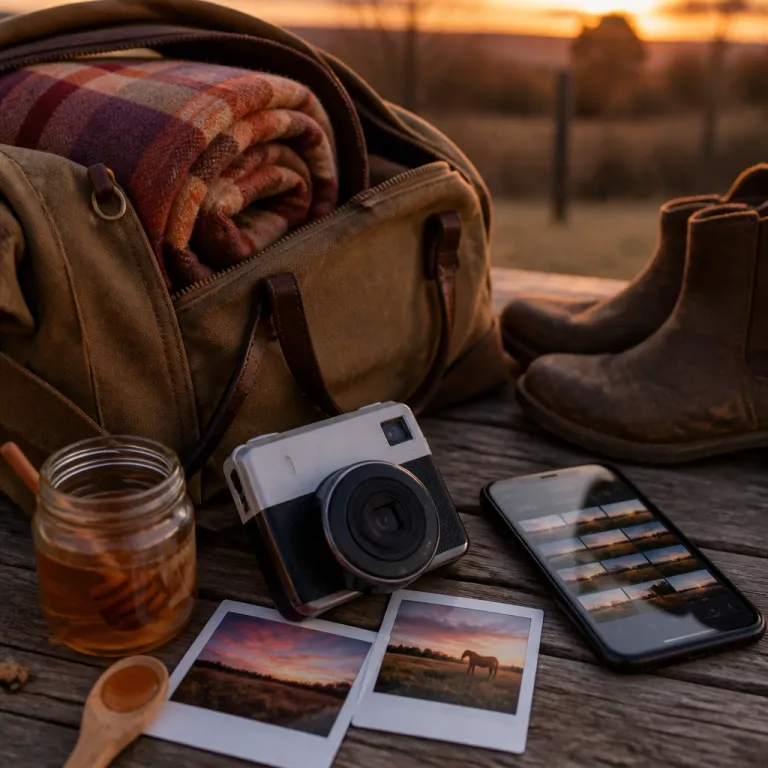
Many ranches now curate specific travel experiences that are explicitly camera friendly, such as golden hour trail rides above a valley or a cattle drive staged near a scenic ridge. These moments are framed as shared adventure rather than pure content creation, with wranglers setting clear boundaries around horse welfare and guest safety. Outside those windows, some properties ask guests to pocket phones in the dining room, preserving a sense of time and presence that older and younger guests quietly welcome.
Luxury booking platforms can help by signalling these norms upfront, so solo travelers and group travel planners know what to expect before they arrive. A listing might explain that Wi Fi is strong near the lodge but intentionally weak on the trail, or that the ranch hosts a nightly circle around the fire where screens are discouraged. For guests comparing a remote ranch to refined nature escapes near Sequoia, such as the Three Rivers cabins for refined nature escapes near Sequoia, this level of detail often tips the decision.
Handled well, the Instagram paradox becomes a filter rather than a problem. Guests who want constant connectivity self select out, while those seeking a partial digital detox lean in, accepting that some of the best travel stories never make it to the feed. Over time, this approach strengthens the ranch market by aligning expectations and protecting the quiet rituals that make a ranch vacation feel different from any other trip.
Pricing, seasons, and the new entry point
Sticker shock remains the hardest part of marketing luxury dude ranch stays to younger travelers, especially on booking platforms where nightly rates rival five star city stays. Younger guests used to flexible, à la carte travel struggle with the all inclusive term that bundles horseback riding, cattle activities, meals, and guiding into one price. Yet when you unpack the numbers over time, a three night stay often compares favorably with a city weekend of restaurants, ride shares, and separate excursions.
The key for ranches is to frame value clearly, not defensively, especially around shoulder seasons. Many properties in North America now use spring and late autumn as a softer entry point, with lower rates, smaller groups, and more space on the trail for solo travelers. On a curated booking site, filters that highlight shoulder season vacations and transparent per person pricing help younger guests understand where their money goes.
Some ranches experiment with modular experiences, offering a base rate for lodging and meals, then layering on cattle drives, extended trail rides, or horsemanship clinics as optional add ons. This structure appeals to Gen Z travelers who want control over both budget and intensity, while still respecting the operational reality of running a year round guest ranch. For group travel, such as friends booking a circle of cabins, this flexibility can turn a tentative inquiry into a confirmed reservation.
At the very top of the market, ultra luxury projects are reshaping expectations again, as seen in recent analyses of how ultra luxury meets the corral and what that signals for the industry. These developments push prices higher but also raise questions about how far a ranch can stretch toward resort territory before it loses its working character. For younger guests, the sweet spot often lies just below that level, where the horses still set the rhythm and the open spaces feel earned rather than staged.
Tech, platforms, and the future of ranch storytelling
Behind the scenes, technology is quietly rewriting how ranches speak to younger travelers. On the surface, Gen Z dude ranch outreach looks like clever social media, but the deeper shift is in how booking platforms structure information about ranches, cattle work, and guest flow. The most effective sites treat each ranch listing as a narrative, not just a rate table.
That narrative starts with clarity about who the ranch is for, whether multi generation family groups, solo travelers seeking quiet, or small circles of friends chasing a shared adventure. It then layers in specifics about terrain, from forested trails to high desert open spaces, and about activities, from gentle arena lessons to demanding cattle drives. Over time, this level of detail generates a more accurate market report than any survey, because it reflects what guests actually book and review.
Platforms also experiment with richer content formats, such as long form ranch profiles, Q&A sections, and behind the scenes pieces that echo DudeRanch.com's evolving blog strategy of stories, insights, and inspiration aimed at broader audiences under new ownership. For Gen Z readers, this style of storytelling feels closer to a trusted friend than a sales pitch, especially when it acknowledges trade offs like limited cell coverage or the physical demands of long trail rides. In this context, marketing dude ranch experiences to younger travelers becomes a conversation about fit, not a push for volume.
Looking ahead, the most interesting innovation may be how platforms use guest feedback loops to refine recommendations in almost real time. If younger guests consistently praise a particular Arizona dude property for its quiet fire circle or a white stallion style ranch for its patient wranglers, those traits can be surfaced more prominently than generic star ratings. Done with care, this approach respects the long term health of the ranch market by rewarding authenticity rather than pure gloss.
FAQ
Do dude ranches now offer short stays for younger travelers?
Yes, many ranches that once required week long commitments now offer three or four night stays that align with the typical Gen Z preference for shorter vacations. On luxury booking platforms, you can often filter specifically for flexible arrival days and shorter terms. This makes it easier to fit a ranch vacation into limited time off without sacrificing core experiences like horseback riding and trail rides.
How do ranches market authentically to Gen Z without feeling staged?
Ranches increasingly focus on precise descriptions of daily life, from real cattle work to the pace of rides, rather than leaning on generic Western imagery. Many use social media to share unpolished moments, then rely on detailed booking pages to set clear expectations about comfort levels, group sizes, and digital detox norms. This combination of candid storytelling and transparent information builds trust with younger guests who value honesty over hype.
Are dude ranches Instagram friendly while still respecting ranch values?
Most ranches now accept that guests will want to photograph their travel experiences, so they create specific windows and locations that are especially camera friendly. Outside those times, some properties encourage guests to put phones away, particularly around horses and during shared meals, to protect both safety and social connection. This balance allows guests to capture memorable images without turning the entire stay into a content production.
What makes a luxury guest ranch stay good value for Gen Z budgets?
Value comes from understanding that an all inclusive rate usually covers lodging, meals, guiding, horseback riding, and many activities that would be separate costs in a city break. Shorter three night packages and shoulder season pricing often provide a more accessible entry point for younger travelers. Reading detailed inclusions on a booking site helps you compare ranch offers fairly against other types of vacations.
Is a ranch vacation suitable for solo travelers who are new to riding?
Many guest ranches in the United States and across North America now design programs that welcome solo travelers with little or no riding experience. Look for properties that mention small group instruction, varied trail options, and clear safety briefings, as these signals show a thoughtful approach to beginners. A good booking platform will highlight these traits so you can choose a ranch where you feel both challenged and well supported.