Why remote luxury ranches are leading off grid energy independence
Remote guest ranches sit far from conventional grid power, so every kilowatt of solar power or diesel burned has always been counted carefully. That economic pressure now aligns with a new generation of travelers who want a sustainable guest ranch solar energy off grid experience without sacrificing comfort or safety. Ranch owners see that long term energy independence is no longer an eco flourish but a core part of ranch operations and guest expectations.
Energy Independence in this context means a ranch can keep lights, kitchens, and water systems running even when the wider grid system fails or when storms cut lines for days. The event type that many ranch owners quietly plan for is exactly this Energy Independence, with clear objectives to reduce reliance on the grid, lower energy costs, and enhance sustainability while keeping service levels high. Rising rural tariffs, volatile fuel prices, and more frequent weather events make the case for renewable energy investments stronger every season.
Many of the most interesting properties now operate in a hybrid mode, combining on site solar panels with a battery bank and sometimes a backup connection to grid solar or a small generator. This approach allows the ranch to use solar power during the day, store excess in a battery system designed for overnight loads, and lean on grid power only when needed. For guests, the result is seamless ; the Wi Fi stays connected, the water well pump keeps working, and the only visible clue is a neat array of solar panels on a barn roof or a solar ground mount tucked beyond the last corral.
Devil's Thumb Ranch: solar panels, geothermal heat, and guest facing sustainability
At Devil's Thumb Ranch in Colorado, the sustainability story begins before you even see the first solar panel or wind turbine on the horizon. The property has built a comprehensive program that blends solar power, geothermal heating, and careful water management into daily ranch living, while still feeling like a working mountain ranch rather than an engineering project. Guests who come for riding, Nordic trails, or fly fishing often only notice the comfort ; steady hot water, warm floors, and quiet nights even when the wind howls outside.
Behind the scenes, photovoltaic panels feed a power system that works with high efficiency geothermal loops, reducing the ranch’s reliance on grid power and cutting operating costs over time. Energy management software tracks current loads across lodges, grid homes style staff housing, and barns, ensuring the battery storage is used intelligently and that the system designed for peak winter demand does not waste capacity in shoulder seasons. Staff talk about how hybrid renewable energy systems and advanced battery banks have turned what used to be a fragile grid living situation into a resilient, largely self sufficient operation.
Guest facing sustainability here is subtle ; refillable water stations, locally sourced menus, and quiet rooms where you do not hear a generator thumping through the night. What guests rarely see is the buried power cabling, the solar ground arrays, and the way the ranch has mapped every remote location cabin to the nearest inverter and battery bank to keep living remote comfortable. If you want to understand how luxury and sustainability now intersect at the ranch level, read detailed guest feedback such as the in depth Alisal guest ranch reviews and experiences, then compare that lens to Devil's Thumb Ranch’s quieter but deeper energy work.
The Ranch at Rock Creek: local food, resilient power, and the cost of comfort
The Ranch at Rock Creek in Montana is often praised for its food program, sourcing most dining ingredients from local farms and ranches across Western Montana. That same philosophy of local resilience now extends to energy, where solar panels and careful load management reduce dependence on distant grid power lines that snake across high country valleys. When you are riding out from the barn at first light, the only hint of this infrastructure is a discreet solar panel on a pump house roof or a small array near the staff homes.
Rock Creek’s team understands that guests want sustainability but also hot showers, heated pools, and fully charged phones at any time things feel uncertain outside. The paradox is real ; rural energy costs and fragile lines mean that without a robust power system, a single storm can cut service, yet guests expect full time reliability and high comfort. Hybrid renewable energy systems, combining solar power with battery storage and sometimes wind turbines, allow the ranch to keep operations running even when the wider grid fails during severe weather events.
Economic reality drives these choices as much as environmental conscience, because rural kilowatt hour prices and diesel deliveries to a remote location add up quickly. Studies of hybrid renewable systems show that average solar panel efficiency now hovers around 20 %, while wind turbines can achieve a capacity factor of roughly 35 %, and case studies report up to a 50 % reduction in energy costs when both are integrated with smart controls. For ranch owners balancing cattle operations, guest expectations, and conservation ranching goals, resources such as conservation ranching climate strategies help frame energy decisions as part of a broader land stewardship plan.
How off grid systems actually work on a luxury guest ranch
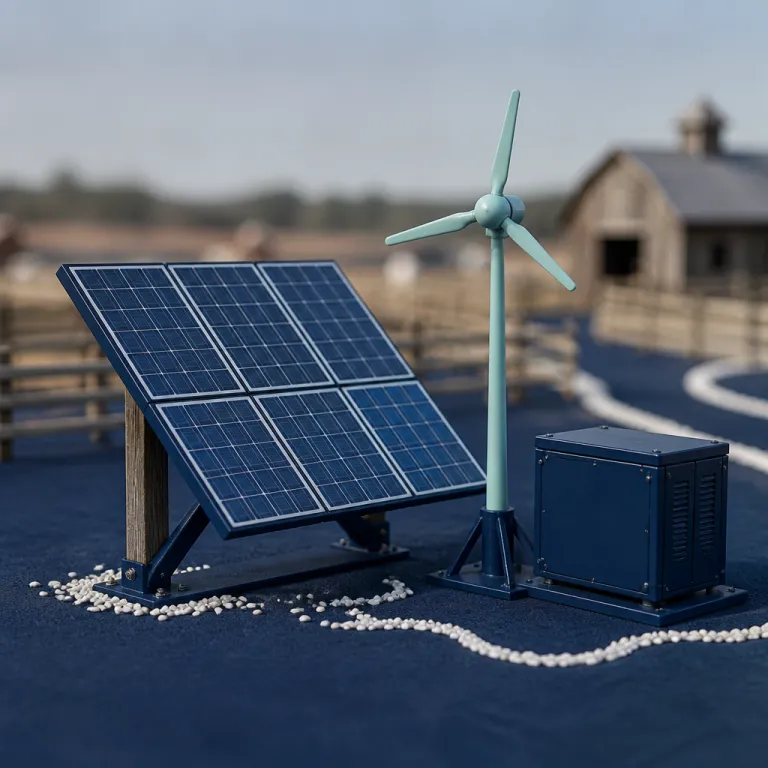
From a guest room, off grid living at a high end ranch feels effortless, but the engineering under the surface is anything but casual. A typical sustainable guest ranch solar energy off grid setup starts with solar panels mounted on roofs or on solar ground frames, sometimes complemented by wind turbines where the terrain funnels steady breezes. These panels feed direct current into inverters and a battery bank, which then supply alternating current to cabins, kitchens, and barns much like any conventional grid homes connection.
Ranch owners work with solar energy providers, wind turbine manufacturers, and local contractors to design a system that matches their specific ground conditions, water well depths, and seasonal occupancy patterns. Methods usually include solar panel installation, wind turbine setup, and battery storage integration, all coordinated through energy management software that keeps the system connected and balanced. Hybrid renewable energy systems that combine solar and wind reduce the risk that a string of cloudy days or calm weather events will leave the ranch short of power at the wrong time.
For guests, the most tangible sign of this infrastructure might be a discreet equipment shed housing inverters, a battery bank, and controls for the water system and pumps. When you turn on a tap in a remote location cabin, a submersible pump in a deep water well may be drawing on stored solar power rather than fragile grid power lines. As one technical explainer puts it without embellishment, “What are the benefits of off-grid energy? Energy independence, cost savings, sustainability.”
What this means for your booking: questions to ask and signals to read
For solo explorers and discerning travelers, the shift toward sustainable guest ranch solar energy off grid operations changes how you evaluate properties long before you saddle up. When browsing a premium ranch booking platform, look for clear explanations of solar power systems, battery storage, and any remaining grid power connections rather than vague green marketing language. A ranch that can explain its power system, water well strategy, and backup plans for weather events is usually one that has done the hard work rather than just installing a token solar panel near the parking lot.
Energy transparency now sits alongside horsemanship, land stewardship, and food sourcing as a marker of quality in the guest ranch world. Our editorial team at guestranchstay.com treats sustainable energy infrastructure the same way we treat saddle fit or grazing practices ; we ask detailed questions, we walk the ground, and we pay attention to how systems behave at full time occupancy. If you want a deeper sense of how we evaluate properties beyond the brochure, read our guide to elevating your luxury ranch vacation experience through smart booking choices.
When you speak with a ranch directly, ask how their system is designed to handle peak season loads, how many days of autonomy their battery bank provides, and whether critical services like water and heating can run without grid solar or grid power for an extended time. Properties that operate in a truly living remote context will usually have thought through everything from snow shedding angles on panels to how they mount in rocky ground and how they keep small cabins comfortable without waste. Those details tell you more about the ranch’s values than any sustainability badge, and they help ensure that your own time things go wrong, such as a storm or outage, will still feel like a well run adventure rather than a roughing it compromise.
FAQ: sustainable energy at luxury guest ranches
How do solar panels work on a remote guest ranch ?
On a remote guest ranch, solar panels convert sunlight into electricity via photovoltaic cells, which produce direct current that is then inverted to alternating current for use in cabins and facilities. The panels are usually mounted on roofs or on solar ground frames positioned for maximum sun exposure throughout the day. Excess energy charges a battery bank, allowing the ranch to provide reliable power at night or during cloudy periods without relying solely on the grid.
What are the benefits of off grid energy for ranch operations ?
Off grid energy gives ranch owners independence from fragile rural power lines and volatile tariffs, which is crucial for properties in remote valleys or high plateaus. It also reduces fuel deliveries and operating costs over the long durée, while cutting the environmental footprint of both guest stays and ranch work. These systems improve resilience during storms or other weather events, keeping water wells, heating, and communications running when the wider grid fails.
Are wind turbines suitable for every guest ranch location ?
Wind turbines are only suitable where there is consistent, adequate wind at the right height above ground, which depends on local topography and weather patterns. Many ranches commission wind studies or consult renewable energy companies to assess whether a turbine will perform well enough to justify the investment. In some valleys, solar power and battery storage alone provide better results, while in open plains a hybrid solar and wind system can be ideal.
How much can a ranch reduce its energy costs with renewable systems ?
Case studies from rural properties show that combining solar panels, efficient inverters, and battery storage can reduce energy costs by up to 50 % compared with relying entirely on grid electricity and diesel generators. The exact savings depend on local tariffs, sun and wind resources, and how well the system is designed for the ranch’s load profile. Over time, these savings help fund further sustainability upgrades, from better insulation to more efficient water pumps.
Will guests notice any difference when staying at an off grid ranch ?
In a well engineered setup, most guests will not notice any difference in comfort between an off grid ranch and a conventional property connected to the grid. Lights, heating, hot water, and charging points work as expected, and the only visible clues may be solar panels on roofs or a small equipment shed housing batteries and inverters. Where guests do notice a change is often in the quieter nights, the emphasis on local food, and the sense that their stay supports long term land stewardship rather than fragile infrastructure.