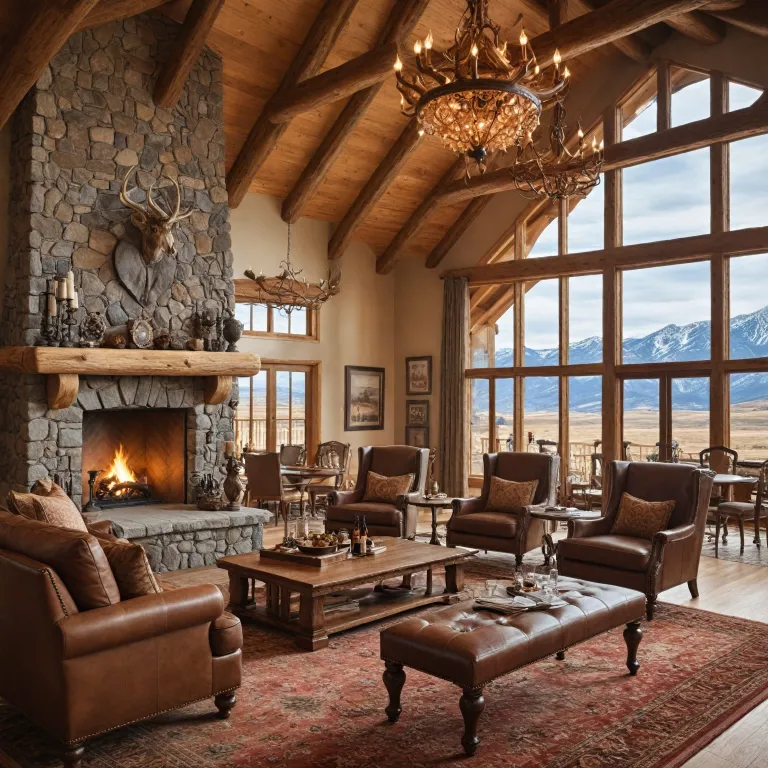
The largest ranch in Montana as a benchmark for luxury stays
The largest ranch in Montana has become a reference point for travelers who want authentic Western character with premium comfort. When you picture this immense ranch Montana landscape, you see more than cattle and fences, you see a living estate that quietly shapes expectations for luxury guest ranches worldwide. For guests comparing ranches Montana for a future stay, understanding how such a vast property operates helps explain why certain room categories, rates, and experiences feel so distinctive.
Beaverhead Ranch is widely recognized as the largest ranch in Montana, a working cattle ranch located near Dillon that extends across roughly 340,000 acres of deeded and leased land. This beaverhead ranch is both an active cattle ranch and a complex real estate asset, balancing heritage, ecology, and hospitality potential across its ranch acres. When a single property covers more land than some European countries’ counties, the scale of operations, staffing, and guest logistics becomes a decisive factor in how luxury stays are designed.
Ownership also shapes the guest experience, because a ranch largest in a region often reflects the vision of a single family or corporate group. In this case, Koch Industries held the beaverhead ranch for more than seventy years before a private sale transferred the estate to Rupert Murdoch. That transaction, handled through specialist real estate brokerage services, underlined how the biggest ranches in the United States are increasingly treated as long term lifestyle investments rather than simple cattle ranch properties.
From working cattle ranch to premium guest experience
For travelers browsing a luxury and premium booking website for guest ranches, the largest ranch in Montana offers a useful lens on what “working luxury” really means. A cattle ranch of this magnitude must remain active to be viable, yet it can still host guests who expect refined service, curated activities, and a sense of privacy. When you evaluate ranches Montana on any booking platform, look for how clearly they explain the balance between operational work and guest facing experiences.
On a ranch Montana property that runs thousands of head of cattle, daily life follows the rhythm of grazing rotations, veterinary checks, and seasonal movements across vast ranch acres. Guests may see cowboys riding out at dawn, trucks crossing the land, and teams managing water or fencing, all while they enjoy a quiet room with high thread count linens and a well stocked bar. The most successful montana ranches translate this active backdrop into immersive yet comfortable stays, where you can join a morning ride then return to a spa treatment or chef led dinner.
Premium booking platforms increasingly highlight this dual identity, especially when presenting the largest ranches or a carefully restored bar ranch style property. Articles on premium guest ranch booking show how curated photography, transparent activity descriptions, and clear room categories help guests choose confidently. For travelers, the key is to read beyond the headline acreage and focus on how each montana ranch integrates working life, guest privacy, and tailored service into a coherent, high value stay.
Understanding acres, privacy, and access on a vast estate
When a property is described as the largest ranch in Montana, the headline figure of 340,000 acres can feel abstract to potential guests. In hospitality terms, those ranch acres translate into three crucial dimensions of experience, namely privacy, variety of landscapes, and logistical complexity. A beaverhead ranch scale estate can offer secluded single family cabins, remote glamping sites, and a central lodge, yet each option depends on how the land is zoned, accessed, and serviced.
On a montana ranch of this size, only a portion of the land is deeded property, while the rest may be leased public land used for grazing and conservation. This mix is typical of the biggest ranches and it affects where guest facilities can be built, how trails are mapped, and which valleys remain purely for cattle ranch operations. For travelers, it explains why some rooms cluster around a main lodge while riding or fishing excursions venture deep into more remote corners of the estate.
Luxury booking sites must therefore translate complex real estate structures into clear, guest friendly language that still respects regulatory boundaries. A climbing arrow of demand for secluded stays means more itineraries that combine a central room with nights in remote cabins, accessed by guided drives across the ranch largest landscapes. To understand how design details support comfort and safety on such terrain, many travelers now read specialist pieces on topics like how the cantle of a saddle shapes comfort, because equipment choices matter when you ride for hours across montana largest estates.
Iconic names: Beaverhead, Matador, and the mythology of scale
Names like beaverhead ranch, matador beaverhead, bar ranch, broken ranch, and flying ranch carry a particular resonance for travelers researching the largest ranch in Montana. These labels often appear in real estate listings, ranch montana histories, and travel features, creating a mythology of scale that influences guest expectations. When a property is associated with such iconic branding, visitors anticipate both rugged authenticity and a polished, almost cinematic experience under the big sky.
The beaverhead ranch, sometimes referenced alongside the matador name, is a prime example of how heritage and marketing intersect on the largest ranches. Its reputation as an active cattle ranch with capacity for several thousand head of cattle reinforces the sense that guests are stepping into a living Western narrative rather than a staged resort. For luxury travelers, this blend of operational credibility and curated comfort is often more compelling than a purely decorative estate.
At the same time, the rise of high profile owners and sold montana headlines has drawn attention to the investment side of these properties. Articles about the sale of beaverhead ranch to Rupert Murdoch, and the role of firms like Hall & Hall or Beaverhead Home & Ranch Real Estate, highlight how such estates function as both lifestyle retreats and long term assets. For guests, understanding this context helps explain why some montana ranches emphasize conservation, family legacy, and community partnerships as strongly as they promote spa menus or bar programs.
Designing guest journeys across the biggest ranches
For a luxury and premium booking website, the largest ranch in Montana is a masterclass in how to design guest journeys across immense spaces. A montana ranch that spans hundreds of thousands of acres cannot rely on a single main lodge experience, it must orchestrate movement between zones, activities, and levels of privacy. This is where thoughtful mapping of land use, from cattle pastures to river corridors, becomes a hospitality tool as much as an operational necessity.
On a beaverhead ranch scale estate, guests might start in a central room near the bar and dining areas, then transfer to a more remote cabin for a two night riding intensive. Along the way, they cross active cattle ranch zones, wildlife rich valleys, and mountain foothills that showcase the full diversity of ranch montana terrain. A well designed itinerary ensures that each transition feels intentional, with clear communication about travel times, vehicle comfort, and the degree of remoteness involved.
Booking platforms can support this by offering visual itineraries, layered maps, and detailed descriptions of each property zone, especially for the largest ranches and montana largest estates. Editorial content, such as features on luxury guest ranch experiences, helps guests compare how different ranches Montana structure their days. For travelers, the goal is to choose a ranch largest enough to feel expansive, yet curated enough that every transfer, ride, and meal slot fits smoothly into a coherent, relaxing stay.
Pricing, privacy, and the future of Montana ranch stays
The market for stays on the largest ranch in Montana illustrates how pricing and privacy are evolving across montana ranches. As more wealthy individuals acquire the biggest ranches, the line between private family retreat and commercial hospitality property becomes increasingly fluid. Some estates open only a handful of rooms or single family cabins to outside guests, using premium rates to offset operational costs while preserving a largely private lifestyle.
On a beaverhead ranch style estate, the combination of active cattle operations, conservation commitments, and limited guest capacity naturally drives higher nightly prices. Travelers are not simply paying for a room, they are accessing a rarefied slice of big sky country, complete with guided access to remote land, expert wranglers, and carefully managed wildlife corridors. For many guests, this feels closer to staying on a private estate than at a conventional hotel, which is precisely the appeal.
For booking platforms, transparency is essential, especially when presenting ranches Montana that operate primarily as private properties with selective guest programs. Clear explanations of what is and is not accessible, how many rooms are available, and how the estate balances family use with hosted stays build trust and set realistic expectations. As demand grows, montana largest ranches will likely continue refining hybrid models that combine real estate investment, cattle ranch heritage, and high touch hospitality into a single, compelling proposition for discerning travelers.
Key statistics about the largest ranch in Montana
- Approximate total size of beaverhead ranch, recognized as the largest ranch in Montana : about 340,000 acres combining deeded and leased land.
- Estimated deeded ranch acres forming the core private property of this montana ranch : roughly 113,000 acres under direct ownership.
- Scale of leased public land integrated into the active cattle ranch operations : around 226,000 acres used for grazing and land stewardship.
- Reported transaction value when this beaverhead ranch estate was sold in a private sale : approximately 200 million US dollars.
- Indicative cattle capacity for this ranch montana property, underscoring its role as a major working cattle ranch : about 7,000 head of cattle.
Essential questions about the largest ranch in Montana
Who owns the largest ranch in Montana ?
As of 2021, Rupert Murdoch owns the largest ranch in Montana, the Beaverhead Ranch. For travelers, this means the estate is operated as a privately held property with a strong emphasis on long term stewardship and cattle ranch continuity. Any guest access is therefore shaped by the priorities of a single ownership group rather than a large hospitality chain.
How much did Rupert Murdoch pay for the Beaverhead Ranch ?
Rupert Murdoch purchased the Beaverhead Ranch for approximately $200 million in 2021. This figure reflects both the sheer scale of the ranch acres involved and the strategic value of controlling one of the largest ranches in the American West. For guests, such valuations help explain why stays on comparable montana ranch properties often command premium pricing.
What is the size of the Beaverhead Ranch ?
The Beaverhead Ranch spans approximately 340,000 acres, including 113,000 deeded acres and 226,000 leased public land acres. This combination of private property and leased land is typical of a ranch largest enough to support thousands of head of cattle while maintaining significant conservation value. For travelers, it translates into an unusually varied landscape, from open valleys to mountain foothills, all contributing to a rich and expansive guest experience.