When a ranch is truly sustainable, the land leads the story
Sustainable guest ranch eco-tourism starts long before guests arrive at the gate. The most credible properties treat conservation ranching as their operating system, not a marketing flourish layered over standard tourism. They manage native grasses, wildlife corridors and water sources first, then design guest activities around what the land can comfortably carry.
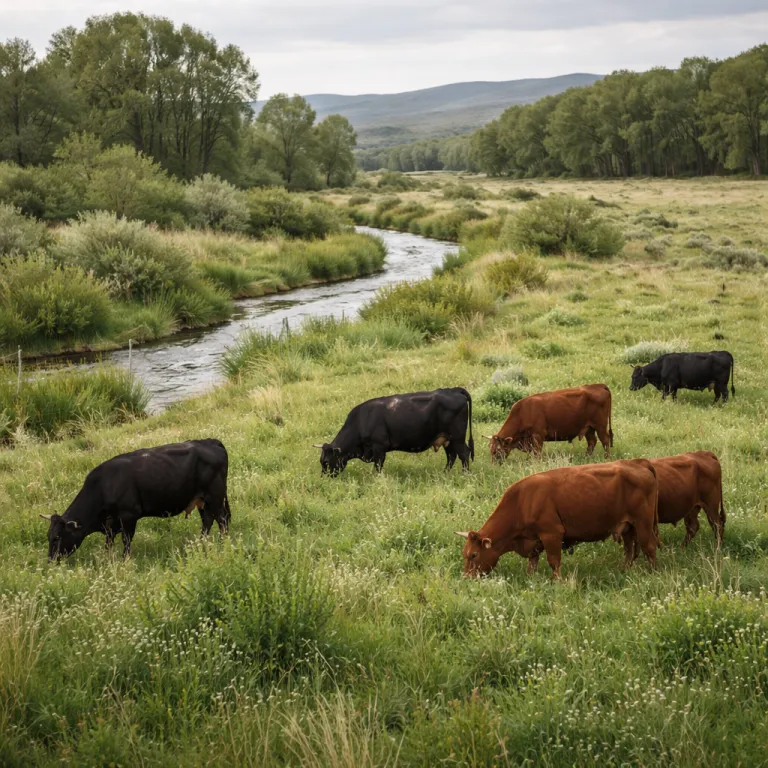
On a serious conservation ranch, you will see rotational grazing practices mapped to soil health data, not just pretty pastures for a short ranch vacation. Regenerative grazing moves cattle in tight herds across natural areas, mimicking wildlife patterns that help sequester carbon and reduce the overall carbon footprint of operations. This is where nature-based tourism becomes visible in the grass height, the bird calls at dawn and the way ranch life still feels productive rather than staged for visitors.
Properties such as 84 Ranch in Colorado, Echo Valley Ranch & Spa in British Columbia and Marble Mountain Ranch in California show how sustainable guest ranch eco-tourism can pair luxury with measurable conservation efforts. These ranches integrate renewable energy, organic farming practices and waste reduction programs into daily ranch activities, so guests learn about responsible tourism simply by watching how chores are done. At Echo Valley, for example, owner-operators have documented a long-term shift from conventional cattle production toward mixed-use habitat management on roughly 160 acres of core guest land, tracking bird counts and riparian vegetation recovery as part of their monitoring metrics in publicly shared sustainability updates. When guests enjoy horseback riding along wildlife corridors that are actively protected, they participate in sustainable travel that supports conservation rather than just observing it from a distance.
How conservation ranching turns stewardship into a viable business model
Conservation ranching only works for the long term when it pays its own way. The smartest operators in sustainable guest ranch eco-tourism monetize stewardship through carefully curated activities that highlight eco friendly practices without turning the landscape into a theme park. They sell access to functioning ranch life, not to contrived spectacles that ignore the land’s limits.
Many of the most respected dude ranch properties now sit on land protected by conservation easements, reflecting a marked increase in buyers prioritizing habitat and natural areas. These easements often require specific conservation efforts, such as maintaining wildlife corridors or restoring riparian zones, which in turn shape the guest experience and the range of cultural and outdoor activities offered. When a ranch markets sustainable tourism, the easement terms quietly ensure that responsible tourism remains non negotiable, even if ownership changes.
For solo travelers comparing premium ranch vacation options, the difference between sustainability theater and genuine stewardship often appears in the booking details. Look for clear explanations of sustainability initiatives, transparent partnerships with local communities and pricing that includes conservation fees or donations to support conservation projects. Guides such as our in depth analysis of luxury booking insights for discerning ranch travelers can help you read between the lines, separating marketing gloss from operations that would remain sustainable even if tourism vanished tomorrow. At the same time, conservation ranching has trade-offs: limits on guest numbers, hunting quotas or vehicle use can reduce short-term revenue, so the most resilient ranches diversify income through cattle, habitat leases or educational programs to keep stewardship financially realistic.
Inside the numbers: when sustainability is measured, not just mentioned
Some ranches now publish hard data to prove that sustainable guest ranch eco-tourism is more than a slogan. The Ranch at Rock Creek in Montana is a benchmark example, having eliminated around fifty thousand plastic bottles each year by switching to refillable systems across the property, according to figures shared in its sustainability reporting and third-party audits. Its dining program sources roughly three quarters of ingredients from local farms, with ninety to one hundred percent of meats coming from Western Montana, which anchors tourism firmly in the local community and its food culture.
Those numbers matter because they show how sustainability initiatives directly reduce the carbon footprint of every guest tour, meal and transfer. When guests enjoy a multi course dinner built around local businesses and seasonal produce, they participate in cultural preservation as much as in gastronomy. The impact of this approach extends beyond the ranch, supporting local communities that supply vegetables, grains and meats while keeping money circulating within the region.
North of the border, Siwash Lake in British Columbia has held a Platinum level sustainability certification for roughly two decades, making it a reference point for eco friendly ranch travel. According to the property’s own reporting and audits by independent assessors such as GreenStep Sustainable Tourism, its model of sustainable guest ranch eco-tourism blends conservation efforts, low impact activities and education, so experiences visitors remember often involve wildlife sightings on quiet horseback riding tours rather than energy intensive entertainment. For travelers seeking an authentic yet refined stay, properties like Siwash Lake and the carefully profiled Arkansas guest ranch in the Ozark Mountains show how luxury and responsible tourism can coexist without compromise, even if that means accepting seasonal closures or restricted access to sensitive habitats when conditions demand extra care.
Why solo travelers gravitate toward conservation led ranch stays
Solo explorers tend to be highly selective about where their money and time go. Sustainable guest ranch eco-tourism appeals strongly to this group because it offers a clear line between personal travel choices and tangible conservation outcomes. When you ride out alone with a wrangler at dawn, you feel exactly how responsible tourism can protect silence, wildlife and sky.
On a well run ranch, the social fabric is woven from the local community, visiting guests and a steady rhythm of shared activities that feel purposeful. You might join a small group to learn about regenerative grazing practices, then help check fences that protect sensitive natural areas from overuse. Later, a communal dinner might feature stories from family owned operations and local communities that have shifted from extractive models to sustainable tourism and sustainable travel.
For many solo travelers, the appeal lies in the chance to support conservation while still enjoying comfort and attentive service. Properties such as Echo Valley Ranch & Spa or Marble Mountain Ranch often pair spa or river activities with conservation tours, so guests enjoy both relaxation and education in equal measure. When sustainable guest ranch eco-tourism is done well, experiences visitors take home include new skills, deeper cultural understanding and a sharper sense of how individual choices can reduce the carbon footprint of every future trip. Ranch owners interviewed in regional tourism studies often note that solo guests are among the most engaged participants in habitat walks, citizen science bird counts and evening talks about land stewardship.
Reading between the lines: spotting real sustainability on booking sites
From a booking screen, sustainable guest ranch eco-tourism can look frustratingly similar to standard marketing copy. The key is to read for operations, not adjectives, and to look for specific references to conservation efforts, wildlife management and community partnerships. A credible listing will explain how the ranch supports local businesses, protects nature and integrates guests into ranch life without overwhelming the land.
Start by scanning for details on renewable energy, water use and waste reduction, then check how activities are framed. Are horseback riding tours limited in group size to protect trails and wildlife, and are there quiet hours that respect both animals and the local community? Does the ranch mention working with environmental organizations or local communities on sustainability initiatives that go beyond tourism, and are any third party certifications or monitoring programs named so you can verify the claims?
Guides on platforms such as guestranchstay.com, including our feature on refined ranch stays and guided wilderness hunts, can help you decode these signals. Look for mentions of family owned operations, clear commitments to support conservation and educational programs where guests learn about culture, history and land stewardship. When sustainable guest ranch eco-tourism is genuine, guests enjoy a quieter luxury, one where responsible tourism, cultural preservation and thriving wildlife all share the same horizon, even if that means fewer high-impact amenities or a more modest footprint than conventional resorts.
FAQ
What is sustainable guest ranch eco-tourism ?
Eco-friendly ranch stays promoting environmental stewardship. In practice, sustainable guest ranch eco-tourism means that lodging, activities and ranch operations are designed to protect nature, reduce carbon footprint and support local communities. Guests participate in responsible tourism through low impact tours, conservation education and direct support for conservation efforts on and around the ranch.
How do guest ranches implement sustainability in daily operations ?
How do guest ranches implement sustainability? Through renewable energy, organic farming, and waste reduction. On the ground, this can include solar powered cabins, rotational grazing practices that restore soil health, careful management of wildlife corridors and partnerships with local businesses for food and services. Many ranches also run sustainability initiatives such as water monitoring, habitat restoration and cultural programs that strengthen ties with the local community.
Why choose sustainable guest ranches for a premium stay ?
Why choose sustainable guest ranches? To support conservation efforts and enjoy eco-friendly travel. Travelers who book these properties help fund support conservation projects, from rewilding natural areas to maintaining trails used for horseback riding and hiking. At the same time, guests enjoy high quality service, meaningful cultural experiences and the reassurance that their travel impact aligns with responsible tourism values.
What should I look for when booking a conservation focused ranch ?
When booking, look for clear information on conservation efforts, such as wildlife monitoring, habitat restoration or conservation easements that permanently protect the land. Check whether the ranch is family owned, works closely with local communities and explains how guests learn about ranch life, culture and nature during their stay. Transparent data on energy use, sourcing from local businesses and waste reduction is a strong sign that sustainable guest ranch eco-tourism is embedded in operations, not just in marketing.
Are sustainable ranch vacations suitable for solo travelers ?
Sustainable ranch vacation experiences work particularly well for solo travelers who value authenticity and community. Small group activities, shared meals and educational tours create easy ways to meet other guests while still leaving space for quiet time in natural areas. For independent travelers, the combination of conservation, culture and attentive hosting offers a grounded alternative to more anonymous forms of tourism.