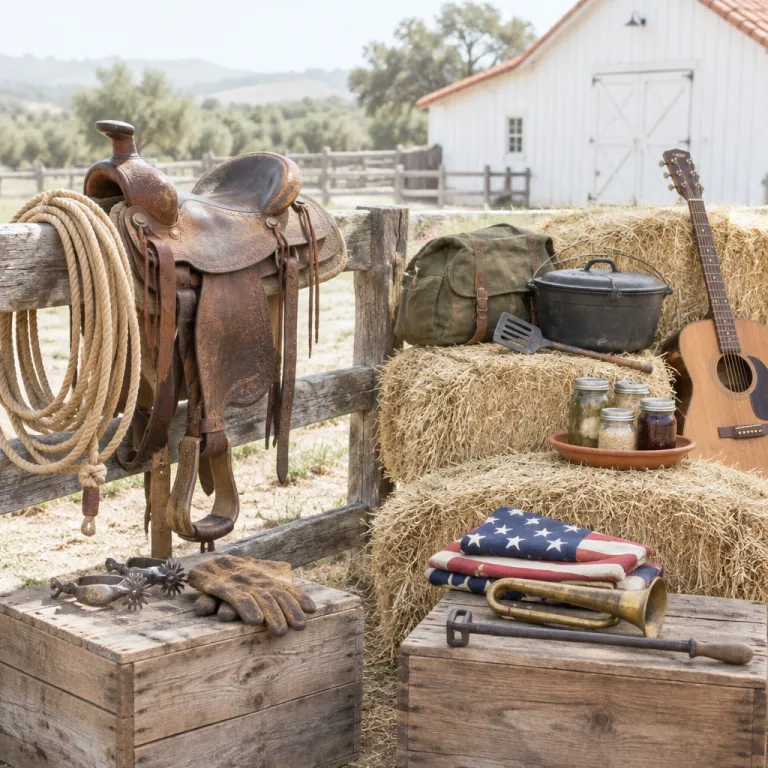
From sunrise flags to arena dust: how Fourth of July feels at a working ranch
Fourth of July at a guest ranch is less theme night, more living ritual. The most authentic Fourth of July dude ranch celebration traditions begin before the sun clears the mountain and before any ranch guest has checked their phone. Wranglers move quietly through the yard, horses already saddled, the American flag folded and ready for a slow, deliberate ride past the creek and along the river.
On many dude ranches the day starts with a guided sunrise horseback riding loop, the air still cool and the grass wet under each horse step. You ride out from a ranch nestled against a national forest boundary, following a lazy creek that will later host children’s fly fishing lessons and adults’ quiet coffee breaks. This early ride is where guests feel the difference between a ranch vacation built around marketing and one shaped by ranch owners who still work cattle drives and know every bend in the river.
Flag ceremonies remain central to these Fourth of July mornings, and they are rarely rushed. At properties such as Vista Verde Ranch in Clark, Colorado, where the week of July 4 typically includes a formal flag raising and barn dance (as outlined in the ranch’s published holiday schedule for recent seasons), or classic family places like Rankin Ranch in Caliente, California, which has hosted summer holiday weeks since the 1960s according to its long-running family vacation program, guests gather near the main corral while a rider carries the flag at a walk, then a trot, circling once as the ranch offers a moment of silence. The atmosphere is not performative; it is communal, with ranch owners, staff and every guest standing together before the day opens into games, horseback activities and long, lazy hours by the creek.
Ranch rodeos, arena games and the difference between dude and working
By mid-morning, the arena dust starts to rise and the line between spectator and participant blurs. One of the most enduring Fourth of July dude ranch celebration traditions is the ranch rodeo, a deliberately homespun counterpart to the professional circuit that keeps the focus on guests and family. Instead of grandstand distance, you get dummy roping for children, barrel racing on steady horses and slow paced horseback riding events where a careful wrangler jogs beside each nervous rider.
On New Mexico guest ranch properties located near the Bishop’s Lodge area north of Santa Fe, the July calendar often includes a Ranch Rodeo around mid-month at nearby arenas such as the Santa Fe County Fairgrounds, which in recent years has listed summer ranch rodeo dates on its official event calendar, extending the Independence Day mood well beyond the single holiday. Solo travelers who time their ranch vacation to straddle July Fourth and that later Ranch Rodeo week gain a rare double perspective on dude ranch culture. One day you are in the arena as a guest, the next you are in the stands watching local ranch teams compete in events that echo real cattle drives and brush creek crossings.
For those booking online, the key is to read beyond the glossy language and look for specific Fourth of July programming in the stay description. Many premium guest ranch operators now outline their Independence Day schedule in detail, from lawn games and kids’ rodeo events to guided mountain hiking outings and evening fly fishing on the river. If you want help decoding which dude ranches offer genuine participation rather than just fireworks, use a specialist planning guide to booking exclusive ranch experiences online for a premium getaway, then cross check it with each ranch’s published July events and recent press releases.
Cookouts, creekside afternoons and fireworks over the open range
Once the arena dust settles, the Fourth of July shifts toward the table and the water. Traditional ranch owners still lean on all day barbecues, long picnic tables and live music to anchor their Fourth of July dude ranch celebration traditions. The pattern is remarkably consistent across the USA: morning parades and games, afternoon barbecues with local performers, then fireworks over the open range when the sky finally turns black.
At a classic creek ranch in Wyoming or Montana, the afternoon might mean a lazy ranch interlude along a shaded creek where guests drift between hammocks, fly fishing lessons and short guided horseback loops. Some ranches located near a wide river will run casual rafting floats, while others send a small group out for mountain biking or hiking mountain trails that climb above the valley. The point is not to fill every minute with activities, but to let the day stretch so that each guest can choose their own balance of saddle time, water and rest.
Evening brings the most cinematic moments, especially at properties such as Triple Creek Ranch in Darby, Montana, where a coordinated fireworks display once lit the sky above the Bitterroot Mountains as part of a single carefully planned Independence Day event documented in the ranch’s event information. Ranches in Wyoming and Montana that sit near public land often align their schedule with nearby community shows so that guests can watch fireworks arc over a dark national forest backdrop. For travelers who want an elegant base with strong event credentials, venues in Oregon’s Molalla area that advertise both refined gatherings and grounded Independence Day celebrations show how a property can host weddings, reunions and holiday weeks without losing its ranch soul.
How to book the right Fourth of July ranch stay
Securing the right Fourth of July stay at a guest ranch requires more strategy than many travelers expect. Most high demand dude ranches only sell week long ranch vacation packages that include the holiday, so a single night around July Fourth is rarely an option. The most sought after ranch locations in the mountain West often fill a year in advance, especially for family groups that return annually for the same creekside cabin or river facing room.
Start by deciding what kind of Independence Day experience you want from your chosen ranch. If you are a solo explorer, you may prefer a property where horseback riding groups are small, cattle drives are optional and mountain biking or hiking mountain outings are available for quieter time away from the arena. Families with younger children often gravitate toward places like Rankin Ranch or Vista Verde Ranch, where the schedule balances guided rides, lawn games and structured kids’ activities that introduce ranch life without pressure.
Practical preparation matters as much as the booking itself, especially when you are heading into higher elevation or national forest terrain. Pack layers for a day that can swing from cold sunrise rides to hot midday parades, and remember that many ranches are located far from shops, so forgotten gear is hard to replace. As one longtime wrangler at a Colorado guest ranch likes to tell new arrivals, “Plan like you’re camping, pack like you’re riding, and expect the weather to change twice before fireworks.” For parents considering educational angles, resources such as a guide to educational ranch stays where kids learn the shape of work can help you choose a property where Independence Day games sit alongside real chores, from feeding horses at dawn to helping near the brush creek corrals.
FAQ
What activities are common at ranch Fourth of July events?
Parades, games, barbecues, live music and fireworks. These core elements appear at both luxury guest ranch properties and more rustic dude ranches across the USA. Many ranch owners also add traditional games, historical reenactments and family friendly horseback activities to round out the day.
Are these Independence Day ranch celebrations family friendly?
Yes, most Fourth of July ranch events are designed for all ages, from young children to grandparents. Ranch guests typically find separate activities for kids, such as supervised horseback riding or creek games, alongside more challenging options like hiking mountain trails or gentle cattle drives. The overall experience is built to keep families together at key moments like flag ceremonies, barbecues and fireworks.
Do I need to purchase tickets or book in advance for a Fourth of July ranch stay?
Advance planning is essential because many premium guest ranch stays around July Fourth sell out months ahead. Some ranches include all Independence Day programming in their weekly rate, while others may sell separate tickets for local community events or fireworks. It is wise to confirm what your chosen ranch offers and secure both accommodation and any special event access as early as possible.
How do Fourth of July celebrations at a ranch differ from those in town?
Ranch based Fourth of July experiences tend to be more immersive and less commercial than big town festivals. Guests often join small nearby communities for parades, then return to the ranch for horseback events, creekside barbecues and fireworks over open range or national forest backdrops. The result is a slower, more grounded day that connects the holiday to land, horses and the working rhythms of ranch life.
What should I pack for a Fourth of July stay at a mountain ranch?
Plan for variable weather, especially at ranches located near higher mountain elevations or forested plateaus. You will want layers for cool mornings, sun protection for midday arena time, and sturdy shoes for hiking mountain trails or walking along a rocky creek or river. Many guests also appreciate a light jacket for evening fireworks, when temperatures drop quickly over the open range.
Sources
Rock Ledge Ranch Historic Site program descriptions; Triple Creek Ranch official event information for Independence Day fireworks; American Camp Association guidance on family camp programming; Vista Verde Ranch published holiday schedules for July 4 weeks; Rankin Ranch family vacation program descriptions and historical notes; Santa Fe County Fairgrounds and Bishop’s Lodge area rodeo listings for summer ranch rodeos.