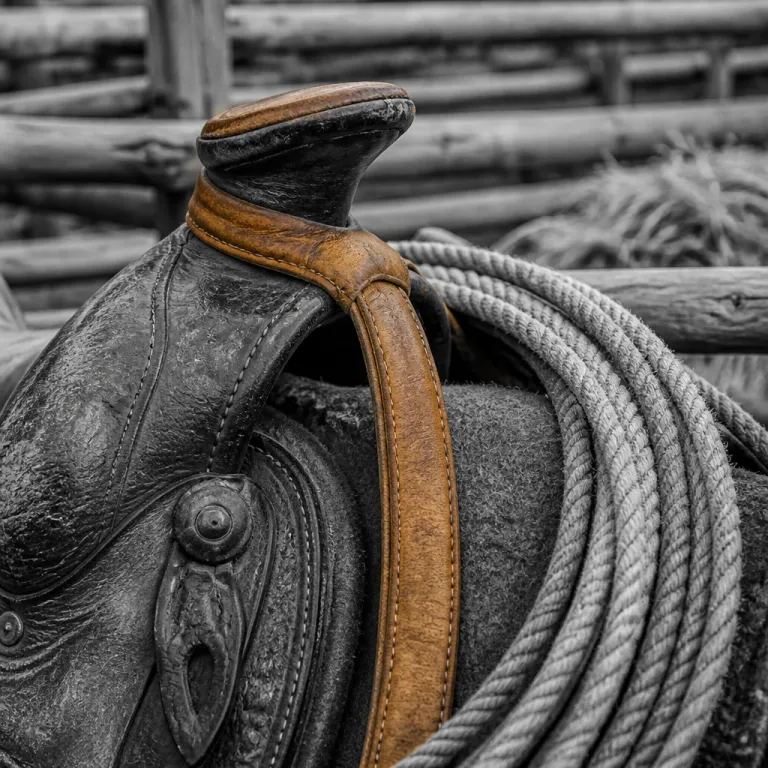
The quiet center of a dude ranch wrangler guide horseback experience
Ask returning guests what stayed with them, and they rarely mention thread counts. They talk about a dude ranch wrangler guide horseback experience where one seasoned hand reads the horse, the trail and the rider in a single glance, turning a simple ride into a defining ranch memory. On a well run guest ranch, that riding guide becomes the quiet center of your days, shaping how you ride horses, how you feel about horse safety and how deeply you connect with the land.
Luxury ranches understand that the wrangler is not just a trail escort but the primary interpreter between guests, ranch horses and the working life of the ranch. A strong wrangler team can turn nervous beginner riders into confident riders by the third day, while also challenging intermediate riders and advanced riders with more technical trail rides that still respect safety. When you book a premium dude ranch stay, you are effectively booking a relationship with the wranglers as much as with the room or the chef.
Travel industry surveys consistently show that a large share of travelers now choose some form of guided experience, and the same logic applies in the corral. A recent global study on in-destination activities found that many travelers book guided experiences “to gain local insights and ensure safety,” and that is exactly what a skilled wrangler delivers on every ride, from gentle morning rides to longer day rides into high country. For couples choosing between ranches, the most important contact point is often the head wrangler, because their approach will define every rider horse pairing, every trail choice and every memory you take home.
What makes a great wrangler on a luxury guest ranch
On a serious guest ranch, the best wranglers blend horsemanship skills, hospitality instincts and calm authority. They have usually completed some form of wrangler training, but the real expertise comes from years of watching how each horse move changes when a nervous rider shifts weight or tightens hands. When you evaluate a dude ranch wrangler guide horseback experience, you are really judging how well the wranglers read both horses and riders in real time.
Strong wranglers start each day by checking ranch horses before guests arrive at the barn, watching how every horse move looks at liberty and under saddle. They match beginner riders to steady horses with slow, predictable gaits, while intermediate riders and advanced riders are paired with mounts that enjoy longer rides and more varied terrain. The best ranches in places such as ranch Wyoming or Montana will have a clear protocol for horse safety checks, saddle fit and tack inspection before any trail rides leave the yard.
Hospitality training matters as much as horsemanship skills at a luxury guest ranch. A thoughtful wrangler knows when to talk and when to let the ride fall into a quiet rhythm, especially on morning rides when couples often want space to share the view. If you care about riding comfort and security, study how a ranch talks about saddles and fit; some of the most serious properties explain how the cantle, fenders and stirrup length affect riders experience, and resources such as this guide to how saddle design shapes comfort and security can help you ask sharper questions before you book.
From beginner to advanced: how wranglers shape every rider horse pairing
For many couples, a dude ranch stay is the first time one partner admits to being a true beginner while the other claims years of horseback riding lessons. A refined dude ranch wrangler guide horseback experience starts with honest assessment, not bravado, and the wranglers will quietly separate beginner riders, intermediate riders and advanced riders into different rides without making anyone lose face. This is where the best guest ranch operations show their class, because they protect safety while still keeping the group dynamic relaxed and sociable.
On a premium ranch, the first morning rides often take place in a fenced arena or safe pasture, giving wranglers time to watch each rider horse combination. They look at how riders sit the walk and jog, how they steer, and how each horse move under this new weight and energy, then adjust tack or even swap horses if needed. For guests, this feels like attentive customer service, but for the wrangler it is a non negotiable part of horse safety and riders experience management.
Once groups are set, trail rides are tailored to both skills and appetite for adventure, with shorter, flatter routes for nervous riders and more technical trails for confident riders. Solo travelers often worry about being left out, yet on many ranches the wrangler becomes their anchor, and thoughtful properties even frame this as one of the reasons solo ranch travel can be a powerful decision. When you compare ranches, ask how they structure rides for different levels and how much flexibility they offer if your skills progress during the week.
Staffing realities: why great wranglers are hard to find and keep
Behind the scenes of any polished dude ranch wrangler guide horseback experience lies a staffing puzzle that few guests ever see. Wranglers often work seasonal contracts, starting in spring and finishing by early autumn, which makes retention difficult for remote ranches that compete with more urban hospitality jobs. Job boards that specialize in ranch work regularly list dozens of guest ranch and dude ranch positions with April or May start dates, underlining how much turnover the sector manages each season.
For luxury ranches, the challenge is to recruit wranglers who combine deep horse knowledge with genuine customer service instincts, then persuade them to return year after year. Rural locations, modest base pay and long days in the saddle mean that many talented wranglers treat the role as a short chapter rather than a career, even when ranches invest in structured wrangler training and better housing. Some well known properties publicly note that their senior wranglers have been returning for a decade or more, and industry interviews often mention seasonal pay ranges that sit closer to local ranch wages than to luxury hotel salaries.
As a guest, you feel the impact of this staffing reality in subtle ways, from how confidently a wrangler handles a spook to how they manage group dynamics on a steep trail. Consistent teams build shared knowledge about specific trails, about which horse move best on rocky ground and which gelding needs a lighter rider, and that continuity directly improves riders experience. When you research ranches, do not hesitate to contact the property and ask how long their core wranglers have been returning, because tenure is often a better predictor of a refined ranch experience than any décor photo.
The wrangler guest bond: why a week in the saddle beats any lobby
Hotel concierges may remember your name, but a wrangler remembers how you sit a trot, how your horse move under you and which trail made you fall silent. Over several days, that shared dude ranch wrangler guide horseback experience creates a bond that feels closer to a trusted coach than a service employee, especially for couples who ride together every morning. On a well run guest ranch, you see the same wranglers at the barn, on the trail and often at the campfire, which builds a continuity that city hotels rarely match.
Many ranches structure their program so that one wrangler leads the same small group for most rides, allowing them to track each rider horse partnership as confidence grows. By midweek, they know which guests are ready to ride horses on longer day loops, which beginner riders still need arena time and which intermediate riders are quietly hoping for a faster lope on open ground. This attention is not just about safety; it is about crafting a riders experience that feels personal, not packaged.
Evenings deepen the connection, whether you are sharing a drink on the porch or sitting around a fire after a long day of trail rides. Some of the most memorable conversations about ranch Wyoming history, ranch horses and working ranch life happen after dark, when the formal customer service mask drops and wranglers speak as themselves. If you want a sense of how food and firelight complete this bond, read how the campfire supper can outlast any fine dining course, because the same principle applies to the relationships you build in the dust and smoke.
Safety, tipping and the invisible economics of a ranch experience
Luxury ranch marketing often highlights sunsets and wide angle vistas, yet the serious operators talk first about safety. A responsible dude ranch wrangler guide horseback experience starts with clear horse safety briefings, helmets offered to all riders and honest conversations about weight limits and fitness for longer rides. When you see wranglers checking cinches twice, adjusting stirrups and quietly moving a nervous rider closer to the front, you are watching a safety culture at work, not fussiness.
Many guests are surprised to learn how much wranglers rely on gratuities to make a living wage, especially on ranches where base pay reflects seasonal rural norms rather than luxury room rates. End of stay tipping is customary at most North American ranches, and it creates an invisible dynamic where wranglers feel pressure to keep every rider happy while still enforcing rules that protect horse welfare and guest safety. The best properties address this openly in pre arrival information, explaining suggested ranges and how tips are shared among wranglers, barn staff and other ranch team members.
As you plan, budget for gratuities as part of the total ranch experience cost, just as you would for a city hotel service charge. If a ranch includes service in the rate, ask how that is distributed and whether guests can still contact management to recognize exceptional wranglers by name. Transparent policies signal respect for both staff and guests, and they help ensure that the people who manage your riders experience, your trail rides and your horse safety briefings can afford to return next season.
How to choose the right ranch for your riding style and expectations
Choosing a ranch is less about décor and more about matching your riding ambitions with the right program. Start by deciding whether you want a relaxed guest ranch focused on gentle trail rides or a more active dude ranch where you might help move cattle and see how a working ranch operates. Couples should talk honestly about their skills and appetite for adventure, because a great dude ranch wrangler guide horseback experience depends on clear expectations from the first contact.
When you research ranches, read the riding section of each website as carefully as you would study a wine list at a serious restaurant. Look for detail about morning rides, afternoon options, weight limits, group sizes and how they separate beginner riders, intermediate riders and advanced riders, because vague promises usually mean generic rides. Serious operators will describe their wrangler training, their approach to horse safety and how they select ranch horses for different riders, often mentioning links with a regional ranchers association or equine professionals.
Before you book, email or call and ask specific questions about riders experience management, such as how they decide which horse move is suitable for a nervous adult or how they handle guests who want to ride horses faster than their skills justify. A confident head wrangler will answer directly, explaining how they pair each rider horse combination and how they adjust trail choices during the week. That conversation tells you more about the quality of your future ranch experience than any photo of a sunset over ranch Wyoming hills ever could.
Key figures that shape guided ranch riding experiences
- Recent travel industry research indicates that a substantial share of global travelers use some form of guide on their trips, which aligns with the growing demand for structured horseback riding programs on guest ranches. One widely cited in-destination experiences study reports that roughly four in ten travelers book guided activities during their stay.
- Guided tours are highlighted in sector analyses as a primary tool to “enhance traveler experience” and “ensure safety”, two goals that directly mirror the role of wranglers on trail rides.
- Many ranch seasons run roughly six to seven months, which reinforces the seasonal nature of wrangler employment and explains why properties often recruit new wranglers every spring.
- Industry observers consistently note an “increased demand for local guides” and more “personalized travel experiences”, trends that favor ranches where wranglers tailor rides to individual skills rather than running one size fits all loops.
FAQ about wranglers and guided riding on luxury guest ranches
Why hire a travel style guide instead of riding alone on a ranch
On a guest ranch, riding with a wrangler is the norm because they know the terrain, the horses and the local weather patterns. As one expert dataset notes, people choose guides “To gain local insights and ensure safety.” and that applies directly to horseback riding in unfamiliar country. A wrangler also manages group dynamics and horse safety, which allows guests to relax and enjoy the ride.
How can I choose a ranch with high quality wranglers
Look for detailed information about wrangler training, horse safety protocols and how the ranch structures rides for different skill levels. Reviews that mention specific wranglers by name, consistent riders experience and well matched rider horse pairings are strong positive signs. You can also contact the ranch directly to ask how long their core wranglers have been returning and how they handle beginner riders.
Is a dude ranch suitable for complete beginner riders
Many dude ranches and guest ranches are designed specifically for beginners, with calm ranch horses, arena sessions and short, gentle trail rides. The key is to be honest about your skills so wranglers can choose the right horse and pace, then build gradually over several days. Couples with mixed abilities often find that beginner riders progress quickly when they feel supported and safe.
What should I expect from a typical day of guided riding
A classic day on a riding focused ranch might start with morning rides tailored to your level, followed by lunch and optional afternoon trail rides or horsemanship skills clinics. Wranglers will brief you on safety, check tack, match rider horse combinations and adjust plans based on weather and group energy. Evenings usually bring relaxed time with wranglers and other guests, which deepens the sense of shared ranch experience.
How important is tipping for wranglers on luxury ranches
On many North American ranches, wranglers depend on end of stay gratuities to supplement seasonal wages, much like servers in high end restaurants. Properties often provide guidance on suggested amounts per guest per day, and tips are sometimes pooled among the wrangler team. If you received exceptional care, mentioning specific wranglers when you tip or when you contact management is a meaningful way to recognize their work.