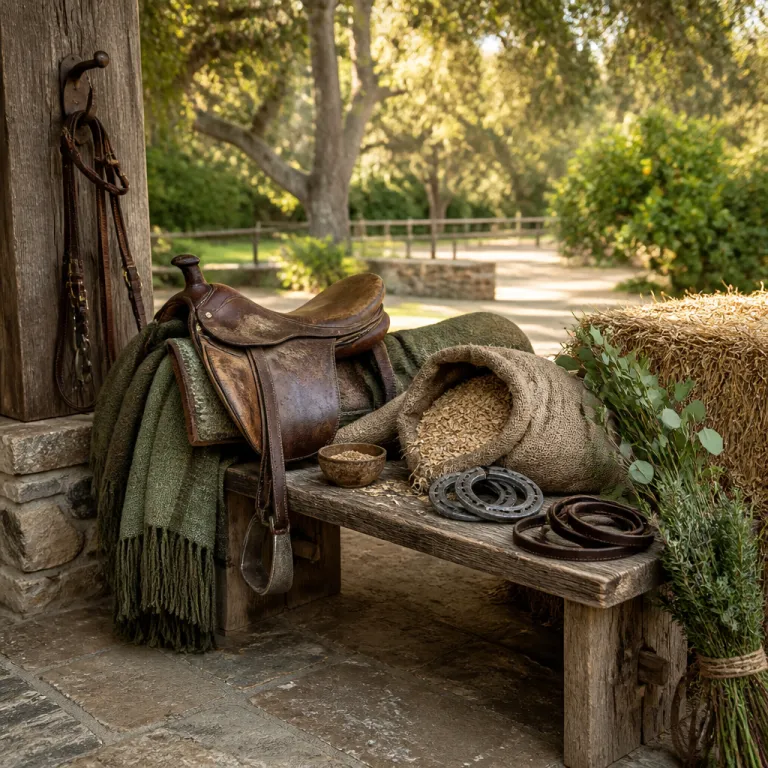
Historic equestrian estate in Montecito as a benchmark for luxury ranch stays
The phrase historic equestrian estate in Montecito evokes a very specific promise. It signals a rare blend of heritage, serious riding culture, and coastal California ease that many luxury guest ranches now emulate worldwide. For travelers comparing ranch and estate options, this Montecito reference point clarifies what true high end equestrian living can feel like.
On East Valley Road in Montecito, the long established Stalloreggi property is often cited as a roughly 25 acre equestrian estate created with a clear vision of prestige and practicality. Contemporary real estate listings and local reporting credit horsewoman Cynthia Wood with shaping Stalloreggi in the mid 1960s, and her decision to commission architect E. Russell for a Spanish Revival residence set the tone for a new kind of Montecito estate where horses and humans share the same level of comfort. This balance between working equestrian facilities and refined residential design is exactly what discerning guests now seek when browsing a luxury ranch booking website.
Successive owners, including British actor John Cleese and later telecommunications entrepreneur Craig McCaw, are frequently mentioned in public records and media coverage as having maintained the estate as a serious equestrian property rather than a purely decorative retreat. The substantial barn complex, dressage arena, and carefully maintained trails documented in sales brochures and planning files show how an equestrian estate can support both daily life with horses and elevated hospitality experiences. When you evaluate guest ranches online, look for similar depth in equestrian infrastructure, not just scenic photos of horses at sunset.
From Montecito to Santa Barbara and Santa Ynez: mapping top ranch destinations
Understanding the story of a historic Montecito horse estate helps you read the wider map of coastal ranch destinations with more confidence. Around Montecito and Santa Barbara, you will find a chain of ranch and estate properties that echo this heritage in different ways, from ocean facing homes equestrian in character to inland equestrian estates with larger lot sizes. Each neighborhood and valley offers a distinct lifestyle, so your booking choices should follow your priorities rather than marketing language.
To the west of Montecito, the Hope Ranch neighborhood near Santa Barbara offers a striking mix of coastal access and equestrian culture. Here, riders enjoy trail access that links hillside homes equestrian in layout to the beach, creating a daily life rhythm where morning rides can end with horses cooling near the Pacific Ocean. When a luxury ranch stay references Hope Ranch in its description, it usually signals a similar blend of private equestrian facilities and easy access to coastal trails.
Further inland, the Santa Ynez Valley stretches toward the Ynez Mountains, where larger equestrian estates and working ranch properties dominate the real estate landscape. Guests who choose a Santa Ynez ranch stay often trade immediate beach access for expansive pastures, more extensive equestrian facilities, and a quieter rural community. For an example of how a modern retreat can interpret this balance between sacred land and refined comfort, look at a refined ranch stay such as the one presented in the guide to Ekone Ranch as a sacred earth retreat, which shows how thoughtful design can honor both horses and landscape.
What Stalloreggi reveals about architecture, suites, and equestrian facilities
When you browse a luxury ranch booking platform, the Montecito estate model offers a checklist for evaluating architecture and comfort. Stalloreggi’s main residence, described in listings as a Spanish Revival estate, demonstrates how a master suite can feel both grounded in history and aligned with contemporary expectations. High ceilings, generous windows, and direct views over paddocks or arenas help guests feel connected to horses without sacrificing privacy.
Many travelers now compare this approach with other architectural traditions such as Monterey Colonial homes or San Carlos and Rancho San inspired ranch houses. In each case, the question is whether the architecture supports equestrian living or merely imitates a style for visual effect. A serious equestrian estate will integrate tack rooms, wash bays, and safe circulation routes for horses as carefully as it plans guest suites and shared lounges.
Before you confirm a booking, examine how the property describes its equestrian facilities and trail access in detail. Look for clear information about arena surfaces, turnout options, and whether horses can move safely between stables and trails without crossing busy public roads. For guidance on how accommodation plans and inclusions can shape your stay at this level, the explainer on what a European Plan means for ranch vacation booking is a useful reference when you compare packages.
Coastal lifestyle, trail networks, and daily life with horses
Life around a historic Montecito equestrian enclave is defined by the interplay between coastal climate and equestrian routine. The proximity of Santa Barbara and the wider Pacific Ocean coastline shapes everything from riding schedules to social life in the community. Guests who choose ranch stays in this region often seek a lifestyle where morning fog, afternoon light, and evening sea breezes become part of their daily life with horses.
In neighborhoods such as Montecito, Hope Ranch, and nearby Santa Barbara enclaves, trail access is not a luxury add on but a structural feature of the estate market. Properties with direct trail access to the beach or to protected foothill trails command a premium because they transform simple rides into immersive journeys through oak groves, canyons, and coastal bluffs. When a guest ranch listing highlights its private trail network, ask whether those trails connect to wider public systems or remain confined within the estate.
For travelers, this distinction affects how varied your rides will feel across several days. A ranch with only internal loops may suit beginners, while advanced riders often prefer estates that link into regional trails toward the Ynez Mountains or along the coastal plain. If you are planning a quiet, unhurried escape focused on time with horses rather than structured activities, the guide to quiet ranches where two people and two horses set the pace offers a helpful framework for choosing.
Reading the estate market: lot sizes, privacy, and guest experience
Understanding the estate market around Montecito’s historic horse properties helps you interpret what different ranch stays can realistically offer. In Montecito and Santa Barbara, lot sizes for serious equestrian estates tend to start at several hectares, with Stalloreggi’s widely cited 25 acres illustrating the scale often required for a full training and boarding operation. Smaller properties can still host horses, but they rarely match the sense of space guests feel when riding across a large ranch.
Privacy is another key dimension that shapes the guest experience at a ranch or estate. A Montecito estate with a private drive, well planned service access, and carefully positioned barns will feel very different from a property where public roads cut between paddocks and the main house. When you read listing descriptions, pay attention to how the property manages separation between guest areas, staff circulation, and working equestrian zones.
In coastal neighborhoods such as Hope Ranch and Montecito, real estate values also reflect proximity to the beach and to Santa Barbara’s cultural life. Guests who value quick access to restaurants, galleries, and events may prefer a smaller equestrian estate closer to town, while those seeking a retreat atmosphere often choose larger ranch holdings toward Santa Ynez. In every case, the best luxury booking platforms will present clear maps, aerial views, and transparent descriptions of lot sizes so you can align expectations with reality.
Planning and booking: how to choose a ranch inspired by Montecito heritage
When you plan a stay at a guest ranch, using the historic equestrian character of Montecito as a benchmark can sharpen your questions. Start by clarifying whether you want an experience centered on active riding, quiet observation of horses, or a broader coastal lifestyle that includes wine tasting and cultural visits in Santa Barbara. Your priorities will determine whether you focus on working ranches, refined equestrian estates, or hybrid properties that blend both.
Next, evaluate how closely each property aligns with the Stalloreggi model of integrated equestrian and residential design. Ask about the number of horses on site, the scale of equestrian facilities, and whether the master suite or guest rooms overlook arenas, paddocks, or gardens. Properties that take equestrian living seriously will usually be transparent about trainers, grooms, and the daily rhythm of the barn, while purely decorative estates may offer only staged images.
Finally, pay attention to communication quality when you contact a ranch or estate to ask questions before booking. A team that responds clearly about trail access, safety protocols, and how guests interact with horses is more likely to deliver a coherent experience on arrival. If you feel that a property reflects the same thoughtful balance of heritage, comfort, and equestrian depth that defines Montecito’s finest estates, it is usually a strong candidate for your next stay, and you should not hesitate to contact today while prime dates remain available.
Key figures from Stalloreggi and Montecito style equestrian estates
- Stalloreggi in Montecito is commonly described in sales listings and local coverage as spanning about 25 acres, a size that allows for a substantial barn, dressage arena, and generous turnout, illustrating the land requirements of a fully equipped equestrian estate in a coastal market.
- The main residence at Stalloreggi occupies a relatively compact portion of the site, showing how a modest residential footprint can coexist with extensive equestrian facilities on a larger ranch property.
- The reported 24 stall capacity at Stalloreggi, cited in marketing brochures and planning summaries, positions it closer to a professional training or boarding operation than a small private stable, which is why it serves as a useful benchmark when evaluating guest ranches that claim serious equestrian credentials.
FAQ: historic equestrian estate Montecito and luxury ranch bookings
Who founded the Stalloreggi equestrian estate in Montecito ?
Public accounts and historic real estate advertisements credit Cynthia Wood with establishing Stalloreggi in the 1960s as a dedicated equestrian estate in Montecito with a clear focus on high end facilities for horses and riders. Her vision set the foundation for later owners to maintain and refine the property rather than subdivide it. For travelers, this continuity of purpose is a strong indicator of authenticity when assessing ranch style stays.
What is the architectural style of the main residence at Stalloreggi ?
The main residence on East Valley Road in Montecito is typically described in listings as a Spanish Revival luxury home converted from an earlier guard house into a full scale estate residence. This style blends Mediterranean influences with California coastal materials, creating shaded arcades, tiled roofs, and courtyards that suit the climate. Guests who appreciate this aesthetic often seek similar Monterey Colonial or Spanish inspired homes when choosing ranch accommodations.
Which notable figures have owned the Stalloreggi estate ?
Notable owners of Stalloreggi mentioned in news coverage and property records include British comedian John Cleese and telecommunications pioneer Craig McCaw, both of whom are associated with maintaining the property as a serious equestrian estate rather than a purely residential holding. Their stewardship helped preserve the barns, arenas, and trails that define the site’s character. When a ranch or estate has such a lineage, it often signals long term investment in quality infrastructure.
How can visitors experience a historic equestrian estate in Montecito ?
Visitors can experience a historic equestrian estate in Montecito by attending open house events, joining guided tours when available, or arranging private viewings through local real estate professionals. These visits allow you to see how barns, arenas, and residences relate to each other on the land. Even if you ultimately book a guest ranch elsewhere, such firsthand exposure sharpens your sense of what a well planned equestrian property should feel like.