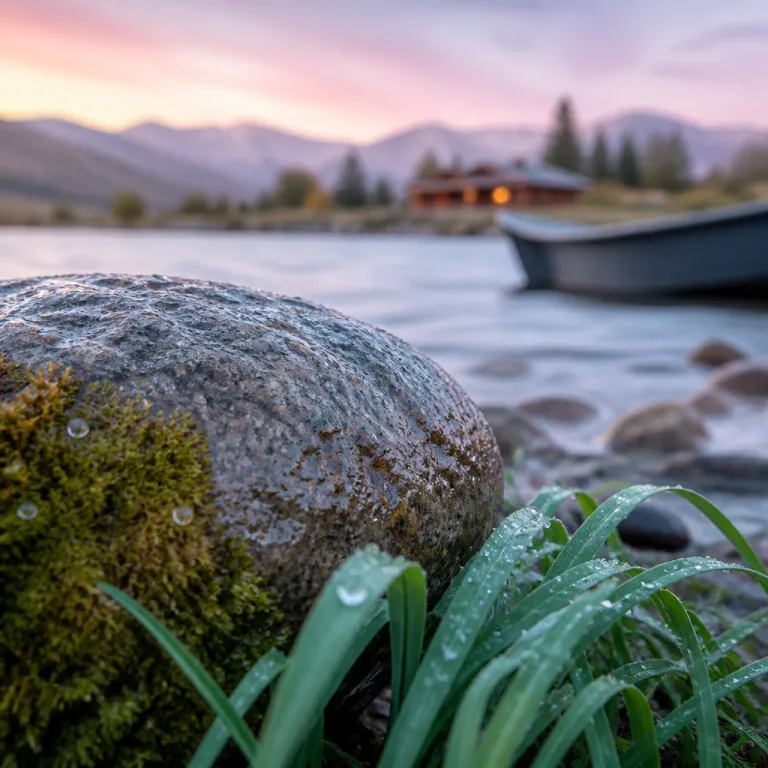
Smiths Fork, Wyoming private fishing as a hidden‑gem ranch escape
Smiths Fork in southwest Wyoming feels like a private fishing secret. This quiet fork of the Bear River flows near Cokeville, where luxury guest ranches quietly host serious anglers seeking space and silence. For travelers used to crowded rivers, the calm water and controlled access create a rare sense of privilege.
Here, the phrase “smiths fork wyoming private fishing” is not marketing language but a lived reality. Select outfitters manage private stretches of Smiths Fork and the nearby Smith Fork, giving guests access to carefully protected trout water. Exact mileage and lease details change over time, so it is best to confirm current information directly with outfitters such as The Solitary Angler, J&J Outfitters, or Feathered Hook. What remains consistent is the feeling that you can fish for hours without seeing another angler, which is the ultimate luxury for many fly fishing guests.
The river itself is a classic western freestone, with clear water tumbling from the Wyoming Range toward the Bear River basin. Long meadow sections alternate with tighter canyon runs, where brown trout and Bonneville cutthroat trout hold in deep green seams. A few steps from your cabin, you can move from polished lodge comfort to wild fork river solitude in minutes.
Luxury guest ranches in this corner of southwest Wyoming increasingly partner with specialist guides to curate these private fishing experiences. The Solitary Angler, J&J Outfitters, and Feathered Hook each control or access private beats on Smiths Fork, Smiths Fork River, and nearby creeks. Their presence allows ranch guests to enjoy expert guiding without sacrificing the privacy that defines a premium stay.
For travelers comparing western destinations, smiths fork stands apart from better known rivers like the Salt River or the larger Bear River corridor. Those rivers can fish well, but they rarely offer the same combination of private access, small‑water intimacy, and conservation focus on native Bonneville cutthroats. If you value quiet over crowds, this is where a luxury booking website for guest ranches becomes your best planning tool.
Where luxury guest ranch comfort meets serious fly fishing water
On a well curated ranch itinerary, your day might begin with coffee overlooking the fork and end with a fireside drink. Between those moments, the focus is pure fly fishing on private water that feels tailored to your skill level and style. This is where the phrase smiths fork wyoming private fishing becomes a promise of both comfort and challenge.
Feathered Hook, for example, highlights extensive private trout fishing on Smiths Fork, which is a significant asset for such an intimate river. Their beats include riffles rich with mountain whitefish, undercut banks that shelter brown trout, and smooth glides where Bonneville cutthroats rise lazily to a dry fly. Before you book through a premium ranch platform, review each outfitter’s current map or description of access so you can align your stay with specific beats and guide services.
The Solitary Angler focuses on guided walk and wade trips, ideal for guests who want to feel every contour of the creek bed beneath their boots. J&J Outfitters leans into private land access, often combining smiths fork sessions with time on nearby hams fork or the upper Bear River. Both approaches suit luxury ranch guests who want structured days but still crave the authenticity of unscripted western water.
For riders who split time between saddle and river, this region also offers classic horseback experiences. Some guest ranches here still operate where the wrangler runs the morning, and you can read more about these unscripted stays in this guide to guest ranches that refuse to script the ride. Pairing such ranches with smiths fork fly fishing creates a stay that feels both polished and deeply rooted in place.
Compared with larger western lakes such as Salt Lake or the more distant lake Alice, these rivers and creeks offer a different rhythm. You are not chasing trophy lake trout from a boat; you are stalking cutthroat trout and brown trout in knee deep water, often within sight of your cabin. That proximity is what makes a luxury booking platform so valuable, because it lets you filter for ranches where the river is truly part of the stay.
Reading the water: how smiths fork fishes through the prime season
Smiths Fork rewards anglers who pay attention to subtle changes in water color and current. Early in the prime season, flows drop and clarity improves, revealing pale gray cobbles and black shadows where trout hold. As summer progresses, the river warms slightly, and fish slide into deeper slots and shaded undercuts along the fork.
Guides here emphasize large dry fly patterns, with parachute hoppers, ants, stimulators, and humpies all playing a role. On the best days, you can fish a single dry fly from morning until evening, targeting Bonneville cutthroats, brown trout, and the occasional mountain whitefish without ever tying on a nymph. This style of fly fishing suits luxury guests who prefer active, visual fishing over technical indicator rigs.
Prime conditions usually run from July through September, with the best dry fly action often concentrated between June and September. Outfitters commonly describe July 1 to October 31 as the optimal fishing period, when water levels stabilize and trout feed aggressively before winter. Regional summaries from the Wyoming Game and Fish Department note that trout here often reach lengths that feel substantial on light tackle, but you should always check the latest agency reports for updated figures and regulations.
Some ranch itineraries combine smiths fork sessions with quiet time on nearby creeks that flow from the Wyoming Range toward the west. A short drive can take you to smaller tributaries that feel like time stopped years ago, where wild Bonneville cutthroats and their close relatives still dominate. For couples seeking a slower pace, look for ranches highlighted in this feature on quiet ranches where two people and two horses are the point.
Lake Alice, tucked into the national forest above the valley, offers a contrasting still‑water option for a day trip. While smiths fork and the nearby fork river channels focus on moving water, the lake’s calm surface can be ideal when winds on the open range pick up. A well designed luxury ranch stay will often weave these options together, giving you river, creek, and lake experiences within a few days.
Species, conservation, and why Bonneville cutthroats matter to your stay
One of the defining features of smiths fork wyoming private fishing is its role in native trout conservation. This river supports important populations of Bonneville cutthroat trout, a subspecies once far more widespread across the west. Years ago, unregulated harvest and habitat loss reduced their range, but targeted conservation has helped them rebound in this corner of southwest Wyoming.
Today, anglers can expect to encounter both Bonneville cutthroats and brown trout in the same runs, often alongside mountain whitefish. The cutthroat trout typically show softer colors, with gray green backs and the characteristic red slash under the jaw, while brown trout display richer black and brown spotting. Many guests arrive focused on size, but leave talking about the distinct character of each species and the story behind their survival.
State agencies and local partners have designated segments of Smiths Fork as important for instream flow protection. This means minimum water levels are maintained to support trout habitat, even during dry periods, which directly benefits the quality of your fishing. Private landowners and outfitters then layer on careful access management, limiting angler numbers to protect both Bonneville cutthroats and Bonneville cutthroat genetics.
Catch and release is standard on most private beats, with barbless hooks and careful fish handling strongly encouraged. Guides will often coach guests on how to land trout quickly, keep them in the water, and release them facing upstream to recover. As one longtime guide explains, “If we do our job right, the same fish you meet this summer will be here for your kids to meet in a few years.” These practices ensure that the same fish you catch today can be part of another guest’s experience years from now, maintaining the value of premium access.
For travelers comparing destinations like the Salt River, hams fork, or hobble creek in neighboring states, this conservation focus is a key differentiator. Those rivers can offer excellent fishing, but few combine such strong native trout management with the privacy of smiths fork and the curated comfort of high end guest ranches. Choosing a ranch that supports these efforts means your stay contributes directly to the future of the river you enjoy.
Planning a luxury ranch stay around smiths fork private water
Booking a guest ranch stay built around smiths fork wyoming private fishing requires more nuance than reserving a standard hotel room. You are not only choosing a bed; you are choosing specific stretches of river, guide teams, and seasonal conditions. A well designed luxury and premium booking website for guest ranches should make these variables transparent rather than hiding them behind generic descriptions.
Start by looking for ranch listings that explicitly reference private access to Smiths Fork River, Smith Fork, or nearby Bear River tributaries. Confirm how many miles of water are available, whether access is exclusive to ranch guests, and how many anglers are allowed per beat each day. The difference between two and six rods on a short section can dramatically change the feel of your fishing.
Next, examine how the ranch integrates guiding services from partners such as The Solitary Angler, J&J Outfitters, or Feathered Hook. Some properties include a set number of guided fly fishing days in their rate, while others offer à la carte options that you can add to a European Plan style booking. For a deeper understanding of how these plans affect your budget and flexibility, this guide to what a European Plan means for ranch bookings is particularly useful.
Weather and water conditions should also shape your dates. Check regional forecasts for southwest Wyoming, paying attention to snowmelt timing, summer thunderstorms, and early autumn cold snaps that can shift trout feeding patterns. A good booking platform will pair these data with clear guidance on when fly fishing with large dry flies is most reliable, usually during the core summer months.
Finally, consider how much time you want to spend on the river versus exploring the surrounding national forest, the Wyoming Range, or nearby lakes such as lake Alice. Some guests prefer a river first itinerary, while others split days between fishing, riding, and scenic drives toward Salt Lake or other regional hubs. The best luxury ranch stays allow you to adjust this balance on arrival, not lock it in months ahead.
Hidden gem circuits: linking smiths fork with other quiet western waters
For anglers who like to build multi stop journeys, smiths fork wyoming private fishing can anchor a broader circuit of under the radar waters. One elegant route begins on Smiths Fork River, then arcs west toward the Salt River corridor before looping back through the Bear River basin. Along the way, you can sample different river characters while keeping your base in carefully chosen guest ranches.
From smiths fork, a short drive south and west brings you toward the Salt River, where broader runs and deeper pools hold a mix of cutthroat trout, brown trout, and mountain whitefish. While the Salt River is less private than smiths fork, some ranches and outfitters still offer semi exclusive beats that feel far removed from roadside access. This contrast between intimate creek style water and larger fork river channels keeps experienced anglers engaged.
Another option is to head north toward hams fork, a river that shares some of smiths fork’s meadow character but flows through a slightly different geology. Here, gray cliffs and black rock bands frame long pools where fish can grow large, especially in less pressured stretches. Linking these rivers over several days lets you appreciate how geology, elevation, and land use shape trout behavior.
For guests who enjoy still water interludes, lake Alice in the nearby national forest offers a tranquil pause between river days. You might spend a morning stalking Bonneville cutthroats along the lake’s drop offs, then return to your ranch for an evening session on smiths fork or a nearby creek. Over time, this rhythm of lake, river, and ranch creates a sense of immersion that standard hotel based trips rarely match.
Some travelers even extend their journey toward larger hubs such as Salt Lake, using them as gateways rather than destinations. They fly into the city, then drive north into southwest Wyoming, trading urban noise for the quiet of trout mountain landscapes and ranch verandas. A thoughtful booking website can help you map these transitions, ensuring that every transfer day still feels like part of the experience rather than a logistical chore.
What to expect on the water: a day in the life of a ranch angler
Picture an early start at a guest ranch perched above smiths fork, with mist lifting off the river below. After breakfast, your guide meets you at the lodge, checks your gear, and suggests a plan based on current flows and trout behavior. Within minutes, you are walking down to the water or loading into a vehicle for a short drive to a private beat.
The morning might begin on a meadow section where the river braids around small islands, each seam holding cutthroat trout or brown trout waiting under the foam lines. You cast a large dry fly tight to the bank, watch it drift past a tangle of roots, and see a flash of gray and black as a Bonneville cutthroat rises. On private water, you can take your time with these moments, repeating drifts without worrying about a queue of anglers behind you.
By midday, you may shift to a shaded canyon stretch where cooler water draws fish during warmer periods. Here, the current tightens, and you work pocket water, short drifts, and quick hook sets, often finding mountain whitefish mixed with trout in the deeper slots. Guides will adjust your rig as needed, perhaps adding a small nymph dropper if fish become selective, but the emphasis remains on active, engaging fishing.
Afternoons often bring a change of scene, perhaps to a nearby creek that flows from the Wyoming Range or a short excursion toward the west side of the valley. These smaller waters can feel like stepping back years ago, with fewer footprints and more visible fish in shallow runs. For many luxury guests, this variety is as important as the comfort of the ranch itself.
As evening approaches, you return to the lodge, where the sounds of the river blend with the clink of glasses and quiet conversation. Stories of the day’s fish, the colors of Bonneville cutthroats, and the subtle differences between smiths fork, hams fork, and the Salt River become part of the shared atmosphere. It is in these moments that the value of a carefully chosen guest ranch, supported by a thoughtful booking platform, becomes unmistakably clear.
Key figures for smiths fork private fishing and ranch stays
- Private access on Smiths Fork is often described by outfitters as extending for several miles under a single operator, which is a substantial length of river for a tightly managed guest experience. Because leases and access agreements can change, always verify current mileage directly with providers such as The Solitary Angler.
- The optimal fishing season on smiths fork typically spans about four months, from early summer into autumn, aligning well with peak guest ranch visitation patterns in southwest Wyoming. Regional guides and the Wyoming Game and Fish Department both emphasize this window in their seasonal updates.
- Trout size on key segments of Smiths Fork is frequently reported in agency summaries and outfitter notes as robust for a river of this scale, meaning many guests can reasonably expect to encounter strong, mature fish on both dries and nymphs. Consult the latest Wyoming Game and Fish Department data for the most current size and population information.
- Prime dry fly action usually occurs between June and September, when water levels stabilize and insect hatches are consistent, allowing ranches to plan reliable fly fishing focused itineraries for their guests.
- Guided services from partners such as The Solitary Angler, J&J Outfitters, and Feathered Hook concentrate on catch and release practices, which significantly improves long term fish survival and maintains quality fishing for returning guests.
Frequently asked questions about smiths fork luxury ranch fishing
What species can I expect to catch on smiths fork near guest ranches ?
Guests typically encounter Bonneville cutthroat trout, brown trout, and mountain whitefish in Smiths Fork and nearby creeks. Bonneville cutthroats are the primary native focus, while brown trout provide additional size and variety. Many private beats are managed to protect these populations through catch and release policies.
When is the best time to plan a smiths fork wyoming private fishing trip ?
The most reliable period for smiths fork wyoming private fishing runs from July through September, when flows stabilize and water clarity improves. June to September often delivers the best dry fly action, especially for guests who prefer fishing large terrestrial patterns. Some ranches extend their season into October, targeting cooler water and more solitary experiences.
Are guided services available directly through luxury guest ranches ?
Yes, many high end guest ranches in southwest Wyoming partner with established outfitters such as The Solitary Angler, J&J Outfitters, and Feathered Hook. These partners provide guided walk and wade trips, access to private land, and expertise in local conditions. Guests usually book guiding either as part of a package or as an add on through the ranch or its booking platform.
How crowded are the private fishing sections on smiths fork ?
Private sections on smiths fork are intentionally managed to keep angler numbers low, often limiting rods per beat each day. This results in uncrowded conditions where you may not see another angler for hours. Such management is a key reason why smiths fork wyoming private fishing has become a sought after option for luxury ranch travelers.
What gear and techniques work best for smiths fork ranch guests ?
Most guests fish with medium weight fly rods suited to small to medium rivers, using large dry flies such as hoppers, ants, stimulators, and humpies. Guides often recommend barbless hooks and light tippet to protect Bonneville cutthroats and other trout. Single person pontoon floats may be used on some stretches, but walk and wade fishing remains the dominant style.
“What species can be caught in Smiths Fork?” “When is the best time to fish Smiths Fork?” “Are guided services available for Smiths Fork fishing?”
Trusted references for further reading include Wyoming Game and Fish Department, The Solitary Angler, and regional conservation reports from Trout Unlimited.