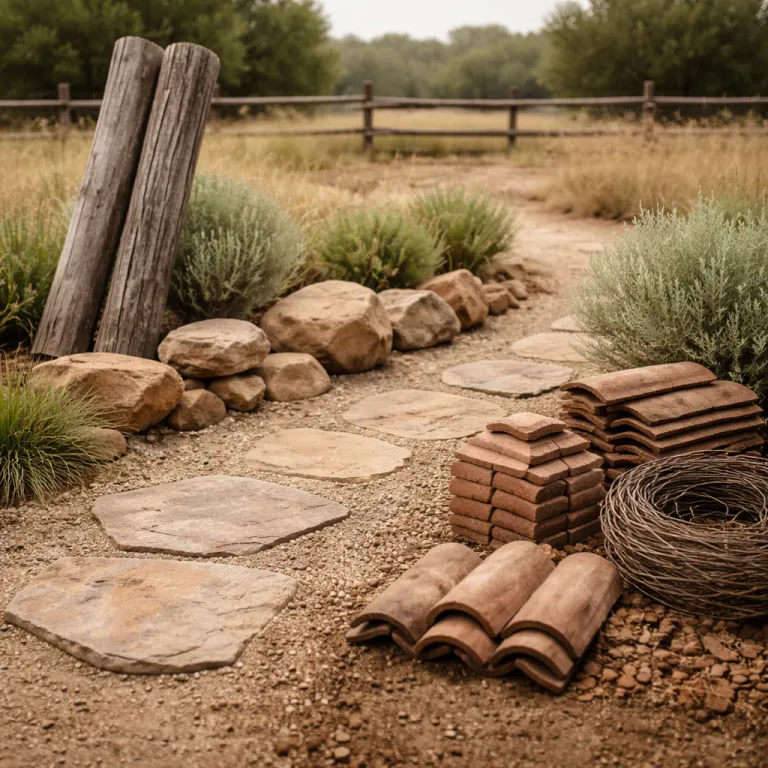
The long ranch road as a luxury decompression corridor
The best luxury guest ranch experience begins long before you see a lodge. A carefully graded dirt road, often curving through pasture or low scrub, becomes the first signal that you are leaving highway logic and entering a slower western rhythm, and guests who arrive in late spring or early summer feel that shift most acutely as the light stretches and the air softens. On properties that take design seriously, this approach road is treated like a gallery of views, with each bend revealing a new angle on the main ranch house, distant mountain ranch silhouettes or creek ranch meadows that hint at the rides and outdoor activities to come.
Architects borrow from the history of ranch style homes to choreograph this drive. Since Cliff May pioneered ranch style homes in California in the 1930s, the idea of a single story ranch house with a low roofline and open floor plans has shaped how modern ranch properties think about arrival, and that lineage still guides how luxury ranch entrances sit low against the horizon rather than shouting for attention. Curved driveways, layered landscapes and framed views are not decorative extras; they are deliberate tools in contemporary arrival design, used to slow the car, lower your shoulders and prepare you for horseback riding, fly fishing or simply a quiet drink on the porch.
On a modern ranch that understands romantic escapes, the approach is tuned to the season. In May, when grasses are fresh and the Texas Hill Country or Santa Ynez valleys are still green, the drive might skim past water, using reflections to double the impact of big sky and low slung ranch homes, while in late August dust, long shadows and the smell of warm materials like timber and stone create a different, more cinematic mood. Whether you are heading to a working dude ranch in the Texas Hill region, a creek ranch hidden in the mountains or one of the luxury homes near Santa Ynez, that first ten minutes on the road is where the property either earns its western credibility or feels like a costume.
Gates, thresholds and the western language of welcome
The gate is the first piece of architecture you actually touch, and in serious luxury ranch design it is never an afterthought. A well judged entrance announces the ranch style and the level of luxury with quiet confidence, using honest materials such as weathered steel, local stone and heavy timber rather than ornate flourishes, and couples arriving for a romantic stay will feel the difference between a generic arch and a gate that frames the landscape like a viewfinder. The most thoughtful ranches use this moment to shift you from public road to private refuge, sometimes with a cattle guard hum under the tires, sometimes with a simple swing gate that a wrangler opens at a walk, forcing your pace to match the land.
Designers working on luxury ranch and modern farmhouse projects talk about this as a threshold, not a barrier. In practice that means the gate aligns with a distant porch or a low modern ranch roofline, so that as you pass through you are already visually tethered to the main house, and this is where the revival of ranch style homes has become more sophisticated, using architectural planning and landscape design to create sequential arrival experiences rather than a single grand gesture. If you want to understand how this works across different accommodation types, look at how the best properties handle the transition from log cabin to lodge suite in their ranch accommodation design; the same thinking applies at the gate, where every post, hinge and sign either respects the western vernacular or undermines it.
For guests travelling as two, small details at this threshold matter more than families often realise. A discreet sign pointing toward horseback riding trails or fly fishing beats, a glimpse of horses moving along the fence line, or the sound of water from a nearby creek ranch channel all signal that the stay will be about real country activities rather than staged dude ranch theatrics, and those cues land differently when you are arriving as a pair rather than as a crowd. In early summer, when days are long and the Texas Hill Country or Santa Ynez light is soft, a gate that opens onto a shaded lane rather than a hot gravel apron can feel like the first act of hospitality, especially after hours in an airport rental car.
Porches, not lobbies: how check in slows to ranch speed
Once you park, the next move in luxury guest ranch arrival choreography is to resist the default hotel lobby. Many of the best ranches now route arrivals directly to a deep porch or a shaded terrace, where check in happens at a wooden table or even on a bench, and this is where visitors immediately sense whether the property understands the difference between a western ranch and a resort with cowboy props. When you step onto a wide porch that wraps a ranch house, with low eaves and an indoor outdoor flow toward the landscape, you are being invited into a slower, more tactile world.
Properties like Brush Creek Ranch in Wyoming and The Ranch at Rock Creek in Montana have invested heavily in this arrival infrastructure, using porches, fire pits and long sightlines instead of marble lobbies to set the tone. Brush Creek Ranch, for example, routes guests past a working barn and open pasture before they reach the main lodge, while The Ranch at Rock Creek uses a timber bridge and creek views to lead you toward its great room. The design vocabulary is consistent across their ranch homes and luxury homes, with timber beams, stone hearths and big windows that frame the country rather than the bar, and that consistency is what separates genuine dude ranches from places that simply add a few cowboy hats to a standard hotel plan.
Travelers who care about architecture will also notice how these porches handle the seasons. In May, canvas panels might be rolled up to open the indoor outdoor edge to the breeze, while in high summer they drop to filter the sun, and in both cases the furniture layout, floor plans and lighting are tuned to encourage lingering rather than queueing, which is why a well designed porch can feel more luxurious than any chandelier. For a sense of how this plays out at different scales, look at the way Black Hills properties handle arrival in our guide to elegant dude ranch escapes; the most successful ones use porches and verandas as social filters, letting couples peel off to their cabins while families gravitate toward the big communal spaces.
Views, seasons and the quiet choreography of first impressions
The final layer of luxury guest ranch design is what you see in the first five minutes on foot. Architects and landscape designers now treat these initial views as a sequence, starting with a long axis toward a mountain ranch ridge or a Texas Hill horizon, then pivoting you toward more intimate scenes like a barnyard, a creek ranch bend or a cluster of style homes that read as a small western hamlet, and this choreography is where the difference between marketing imagery and lived experience becomes obvious. The question they ask is simple; what should you see before you feel anything else.
Designers answer that question by balancing heritage and modern expectations. A classic ranch style house with a low pitched roof and wide eaves might anchor the composition, while more modern ranch suites and modern farmhouse cabins step down the slope, using glass, steel and warm materials to deliver the comfort level luxury travelers expect, and this mix allows a property to feel both rooted and current without slipping into theme park territory. As one design brief in the ranch world puts it without embellishment, "What defines a ranch-style home? Single-story, open floor plan, low-pitched roof." and "Why design arrival sequences? To create anticipation and enhance first impressions." and "Who pioneered ranch architecture? Cliff May in 1930s California."
Seasonality sharpens all of this. In late spring, when couples are most likely to book quick escapes, the best ranches edit their modern tour routes so that early walks pass blooming meadows, active horseback riding arenas and fly fishing pools, while in high summer they lean into shaded courtyards, stone paths and indoor outdoor lounges that protect you from the heat, and in both cases the aim is the same; to slow you down without you noticing. If you want to see how this thinking extends across regions, our feature on luxury ranch stays in south Texas and beyond shows how Texas properties use big sky, Texas Hill silhouettes and long rides across open country as part of the same arrival script.
How couples can read ranch architecture when choosing where to stay
For couples scrolling through ranches online, the architecture of arrival is rarely spelled out, yet it is one of the best predictors of whether a stay will feel genuinely western or vaguely themed. When you look at photos, study the approach road, the gate and the first glimpse of the main house, and ask whether the ranch homes and luxury homes sit low in the land with a clear ranch style language or stand up like generic resort blocks. Properties that understand this usually show the dirt road, the porch and the horses before they show the spa.
Floor plans can also reveal more than marketing copy. A true ranch house or modern ranch lodge will often be single story or stepped low, with long horizontal lines and an indoor outdoor connection to porches, paddocks and trails, while dude ranch properties that are more performance than place tend to stack rooms vertically around a central lobby, which might suit families but rarely delivers the quiet, expansive feel couples seek. When you see modern farmhouse cabins or style homes scattered along a creek ranch or tucked into hill country folds, check whether paths between them are shaded, lit softly and oriented toward views rather than parking lots; those are the small design decisions that turn a walk back from evening rides into part of the experience.
Finally, pay attention to how activities are woven into the arrival story. On the most thoughtful luxury ranch properties, you will glimpse horseback riding arenas, fly fishing stretches and outdoor fire circles on the way to your room, not hidden behind service roads, and that visibility signals that the country itself, not the interiors, is the main amenity. Whether you are considering dude ranches in the Santa Ynez backcountry, a mountain ranch with big elevation or a Texas Hill hideaway, the same rule applies; if the first five minutes on site feel calm, coherent and quietly western, the rest of the stay usually follows.
FAQ
What defines a ranch style home in a luxury guest ranch setting ?
A ranch style home in a luxury guest ranch context is typically single story, with a low pitched roof, long horizontal lines and an open floor plan that connects directly to porches and outdoor spaces. This layout supports an indoor outdoor lifestyle, making it easy to move between the house, the corral and the landscape. In guest ranches, that same language is scaled up for lodges and scaled down for cabins, so the entire property feels coherent.
Why do luxury ranches use long dirt roads for arrival ?
Long dirt or gravel roads are used as psychological decompression corridors, helping guests shift from highway speed to ranch pace. Curves, framed views and subtle changes in materials are planned so that each bend reveals a new perspective on the property, building anticipation without resorting to grand gestures. This approach also allows architects to hide parking areas and service zones, so your first impression is landscape, not logistics.
How do architects balance western heritage with modern comfort ?
Architects balance western heritage and modern comfort by pairing traditional forms with contemporary detailing. A classic ranch house silhouette might be built with local stone and timber, while interiors use modern floor plans, glazing and insulation to meet current expectations of luxury. The goal is to keep the cowboy and country character visible while ensuring that heating, cooling and acoustics match premium hotel standards.
What should couples look for in photos when choosing a guest ranch ?
Couples should look first at the arrival sequence in photos; the road, the gate, the porch and the first communal spaces. Properties that show porches, verandas and landscape views before they show spas and pools usually prioritise authentic ranch living over generic resort amenities. It is also worth checking whether horseback riding arenas, fly fishing water and outdoor gathering spots appear close to the main buildings, which signals that activities are integrated into daily life rather than bolted on.
Why does seasonal design matter for ranch first impressions ?
Seasonal design matters because the same ranch can feel very different in spring and high summer. In cooler months, arrival routes might emphasise sunlit porches, open meadows and long views, while in hotter periods they rely on shade, breezeways and water features to keep guests comfortable from the moment they step out of the car. Ranches that adjust planting, shading and furnishings with the seasons tend to deliver more consistently pleasant first impressions.