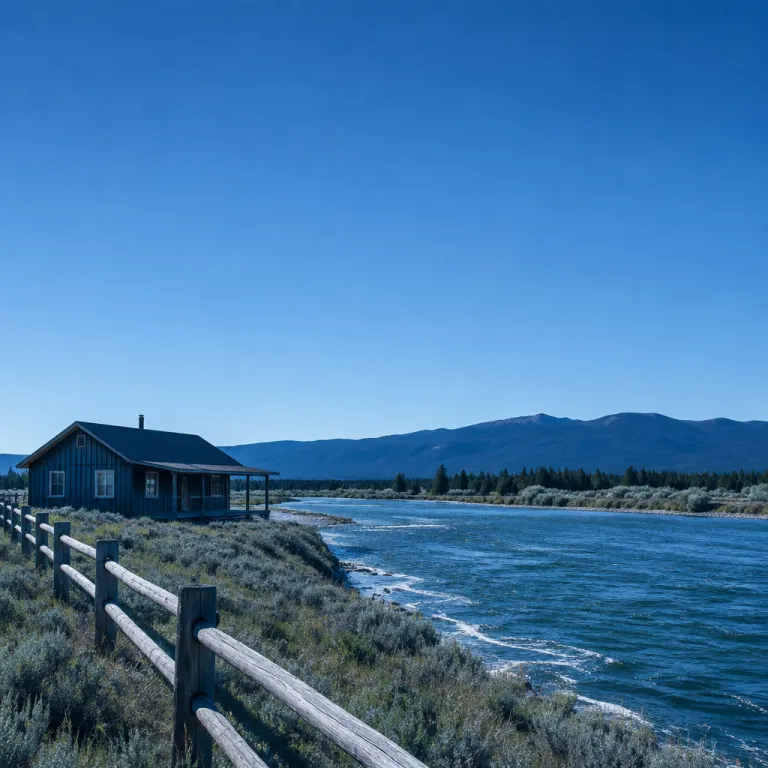
Why Jackson Fork Ranch stands apart in ranch Wyoming luxury
Jackson Fork Ranch sits in the quiet upper Hoback valley, offering guests rare immersion in wild Wyoming landscapes. This luxury ranch retreat lies about 40 miles south of Jackson Hole, where the Hoback River cuts through Sublette County and opens into sweeping open spaces that feel almost private. The property balances refined lodge comforts with the authenticity of a working ranch environment, so every stay feels both polished and rooted in the land.
The ranch occupies a privileged position within the greater Yellowstone ecosystem, with the upper Hoback corridor acting as a wildlife highway for elk, moose, and sometimes bison that roam the surrounding land. Guests who choose Jackson Fork Ranch experience a quieter alternative to Jackson, yet they remain close enough to reach the town, the Snake River, and regional airports in roughly an hour’s drive. This balance between seclusion and access is one reason the property is often viewed as a benchmark for premium ranch Wyoming stays in Sublette County.
At the heart of the property stands the main lodge, often referred to as lodge Jackson by returning guests who appreciate its timber architecture and generous windows. The lodge offers expansive views over the valley and the Hoback River corridor, while the Sublette Suite and other rooms provide a refined base after days spent outside with horses or on the river. Every suite is designed to frame the surrounding land, so even quiet moments indoors keep you connected to the upper Hoback landscape, from alpenglow on distant ridges to the sound of the river after dark.
The story behind Jackson Fork Ranch and its Wyoming land
The vision for Jackson Fork Ranch is closely tied to its founder, entrepreneur Joe Ricketts, whose family name is well known in American business and philanthropy. Public records and news reports have associated the property with Ricketts for more than a decade, though specific ownership and management details can evolve over time, so travelers should consult current ranch information when planning a stay. Under this leadership, the ranch Wyoming property near Bondurant Wyoming has been shaped into a place where conservation, guest comfort, and working traditions coexist.
Land management on the ranch focuses on restoring native grasses, protecting the Hoback River corridor, and maintaining habitat that supports the wider Yellowstone ecosystem. Within Sublette County, this fork ranch has become a reference point for how a private property can support both tourism and ecological stewardship. The team works to keep open spaces intact, allowing wildlife to move between the Hoback valley and neighboring ranges while still welcoming guests to the lodge and cabins. When you stay at Jackson Fork, you may notice how careful fencing, rotational grazing for horses, and riverbank stabilization projects all contribute to healthier land.
The ranch also sits within a broader network of elevated guest ranch experiences that stretch beyond Jackson Hole and Wyoming upper valleys. Travelers comparing top ranch destinations in the American West and abroad often look at international guest ranches and properties beyond the American West, which helps frame Jackson Fork Ranch as part of a global conversation about sustainable luxury on working land. In this context, the property’s commitment to Sublette County communities and to the Hoback River watershed gives it a distinctive sense of place and purpose. One recent guest described evenings on the porch, watching elk move across the meadows at dusk, as “the kind of quiet you remember long after you leave.”
Suites, lodge comforts, and the Sublette Suite experience
Inside the main lodge Jackson building, interiors lean toward understated elegance, with natural materials that echo the surrounding ranch Wyoming landscape. The Sublette Suite is the flagship accommodation, named for Sublette County and designed to give guests a generous sense of space, privacy, and connection to the upper Hoback views. Large windows frame the valley, while carefully chosen textiles and furnishings soften the lines of the timber structure and invite you to linger beside the fire after a day outside.
Other suites and rooms at Jackson Fork Ranch follow the same philosophy, offering comfort without excess and always keeping the focus on the land outside. With an intimate room count compared with larger resorts, guests can step from their suite directly into crisp Wyoming upper air, then walk a short distance to meet horses in the corrals or to follow a path toward the Hoback River. This proximity between lodge comforts and outdoor experiences is one of the reasons many travelers now compare Jackson Fork to some of the most elegant romantic getaways in northern California from wine valleys to coastal ranch retreats, even though the setting here is distinctly alpine.
For couples, the Sublette Suite often becomes a private sanctuary after days spent horseback riding or fly fishing on the river. Families appreciate the way the lodge layout allows children to move easily between common areas and the outdoors, while adults enjoy quiet corners for reading or watching the light shift across the valley. A typical evening might include drying waders on the porch, sharing stories with wranglers in the lounge, and then returning to a bed and lighting scheme chosen to support deep rest so guests wake ready to engage with the ranch working rhythm of the property.
Outdoor experiences: horses, fly fishing, and the Hoback River
Life at Jackson Fork Ranch revolves around the land and the water, with the Hoback River and its tributaries shaping many guest experiences. Fly fishing is a central activity, and guides help guests refine their fly casting on clear pools and riffles that hold wild trout in this part of Sublette County. Whether you are new to fly fishing or already confident on the river, the combination of instruction, cold mountain water, and quiet banks lined with willows makes each session memorable.
Horseback riding is another pillar of the ranch Wyoming experience, with well trained horses matched carefully to each rider’s ability. Guests can explore the upper Hoback valley on half day or full day rides, following trails that climb from the river corridor into higher benches of land with wide views toward Jackson Hole and the surrounding peaks. These rides reveal how the property fits into the broader Hoback valley landscape, where open spaces, forest, and river bottom weave together and where you may pause to watch a hawk circle above the meadows.
For those curious about ranch working life, staff sometimes invite guests to observe or lightly participate in daily tasks that keep horses healthy and the property functioning smoothly. Watching wranglers move horses across the land at first light, with the Hoback River mist rising in the background, gives a sense of how deeply the ranch is tied to this valley. Even quiet walks along the riverbanks, where you might see tracks from bison or elk that have passed through, reinforce the feeling of being part of a living landscape rather than a staged setting.
Wildlife, open spaces, and the Yellowstone ecosystem
The setting of Jackson Fork Ranch within the greater Yellowstone ecosystem is one of its defining luxuries, even more than any lodge amenity. The property’s open spaces form part of a larger mosaic of land that allows wildlife to move between protected areas, private ranches, and national forests. Guests often see deer, elk, and a rich variety of birdlife, while the broader region remains important habitat for bison, bears, and wolves that roam beyond the immediate valley.
From the upper Hoback vantage points on the ranch, you can look across Sublette County toward the distant Tetons and sense how this valley connects to Jackson Hole and beyond. Guides explain how the Hoback River and Hoback valley act as ecological corridors, carrying cold water and nutrients downstream while supporting fish populations that in turn sustain predators and birds. This perspective helps guests understand that Jackson Fork Ranch is not an isolated property but a participant in a complex natural system.
For travelers who value quiet, the absence of dense development around Bondurant Wyoming is part of the appeal, and it contrasts sharply with busier corners of Jackson. Those who want to combine this seclusion with other refined rural stays can look at elegant pet friendly vacation rentals in Santa Barbara’s hidden ranch retreats, then return to the idea of Jackson Fork as their mountain counterpart. In both cases, the emphasis on land, open spaces, and thoughtful stewardship shapes a more meaningful style of luxury travel.
Planning your stay at Jackson Fork Ranch and nearby highlights
When planning a stay at Jackson Fork Ranch, it helps to think in terms of seasons and how you want to use the land. Spring and autumn bring quieter days along the Hoback River, with cool temperatures that suit long horseback riding excursions and contemplative walks through the valley. Summer offers longer light for fly fishing, wildlife viewing, and extended rides into the hills above the upper Hoback corridor.
Access usually runs through Jackson Hole, where regional flights connect to major hubs before you drive south along the valley toward Sublette County and Bondurant Wyoming. This route follows the river systems that define the region, moving from the Snake River near Jackson to the Hoback River and finally into the upper Hoback basin where the ranch Wyoming property sits. Guests who enjoy road trips can extend their journey to explore other valleys and ranch working communities across Wyoming upper regions.
Within the ranch, long serving managers and guides help guests tailor each day to their interests and energy levels. Some visitors focus on intensive fly fishing programs, while others split time between horses, gentle hikes, and quiet hours in the Sublette Suite or other lodge rooms. If you are comparing Jackson Fork Ranch with other top ranch destinations, it can be helpful to look at international guest ranches, estancias, and properties beyond the American West, then decide how this particular blend of conservation, comfort, and working land aligns with your travel style.
Key figures and travel statistics for Jackson Hole and ranch stays
- According to the Wyoming Office of Tourism, Jackson Hole and surrounding areas, including Sublette County, welcome several million visitors annually, with a growing share choosing ranch stays and rural lodges over traditional hotels. Exact totals vary by year, and readers should consult the latest state tourism reports for current figures.
- Data published by the National Park Service indicate that the greater Yellowstone ecosystem, which includes the Hoback valley region, supports millions of park visits each year, underscoring the importance of conservation minded properties like Jackson Fork Ranch in managing visitor impact. Recent NPS statistics for Yellowstone National Park alone have exceeded four million visits in strong travel years.
- Studies summarized by the Outdoor Industry Association show that fishing and fly fishing related travel contributes billions of dollars to the U.S. economy annually, with Wyoming consistently ranking among the notable states for non resident angling trips. These economic impacts highlight how river based recreation supports rural communities.
- Research from the American Horse Council estimates that the horse industry has an economic impact exceeding 100 billion dollars nationwide, highlighting how horseback riding and ranch working experiences at properties such as Jackson Fork Ranch support rural economies and preserve equestrian traditions.
- Surveys of luxury travelers by organizations such as Virtuoso consistently show rising demand for open spaces, wildlife viewing, and nature based activities, with ranch Wyoming destinations and Jackson Hole ranked among preferred options for high end experiential travel. Travelers increasingly seek properties that combine comfort with a clear conservation ethic.
FAQ about Jackson Fork Ranch and the Hoback valley
Where is Jackson Fork Ranch located in relation to Jackson Hole ?
Jackson Fork Ranch lies south of Jackson Hole, near Bondurant in Sublette County, along the upper Hoback valley. The drive from Jackson typically takes around one hour, following scenic river corridors. This location offers access to town amenities while preserving a sense of seclusion.
What activities can guests enjoy at Jackson Fork Ranch ?
Guests at Jackson Fork Ranch usually focus on horseback riding, fly fishing on the Hoback River, guided hikes, and wildlife viewing across the property’s open spaces. Seasonal activities may include snow based excursions in colder months, depending on operating schedules. Many visitors also use the ranch as a base for day trips toward Jackson Hole and the greater Yellowstone ecosystem.
Is Jackson Fork Ranch suitable for families as well as couples ?
The ranch Wyoming setting works well for both families and couples, thanks to flexible lodge layouts and varied outdoor programs. Families appreciate the chance for children to interact with horses and learn about ranch working life, while couples often choose suites like the Sublette Suite for privacy. Staff can tailor daily plans to different ages and activity levels.
How does Jackson Fork Ranch support conservation in the Hoback valley ?
The property manages its land to protect river corridors, maintain wildlife habitat, and preserve open spaces within the upper Hoback basin. Efforts include careful grazing practices for horses, restoration of native vegetation, and collaboration with regional conservation initiatives where appropriate. This approach helps sustain the ecological health of the Hoback River watershed and the broader Yellowstone ecosystem.
How should travelers compare Jackson Fork Ranch with other ranch destinations ?
When comparing Jackson Fork Ranch to other properties, consider its location in Sublette County, proximity to Jackson Hole, and integration with the greater Yellowstone ecosystem. Some travelers look at international guest ranches and coastal or wine valley retreats, then decide whether a mountain based, conservation focused ranch working environment suits their priorities. The combination of refined lodge comforts, strong land stewardship, and access to fly fishing and horseback riding makes it a distinctive choice.
References
- Wyoming Office of Tourism – annual visitation and travel industry reports
- National Park Service – Yellowstone National Park and greater Yellowstone ecosystem visitation statistics
- Outdoor Industry Association – outdoor recreation participation and economic impact studies
- American Horse Council – national economic impact of the horse industry