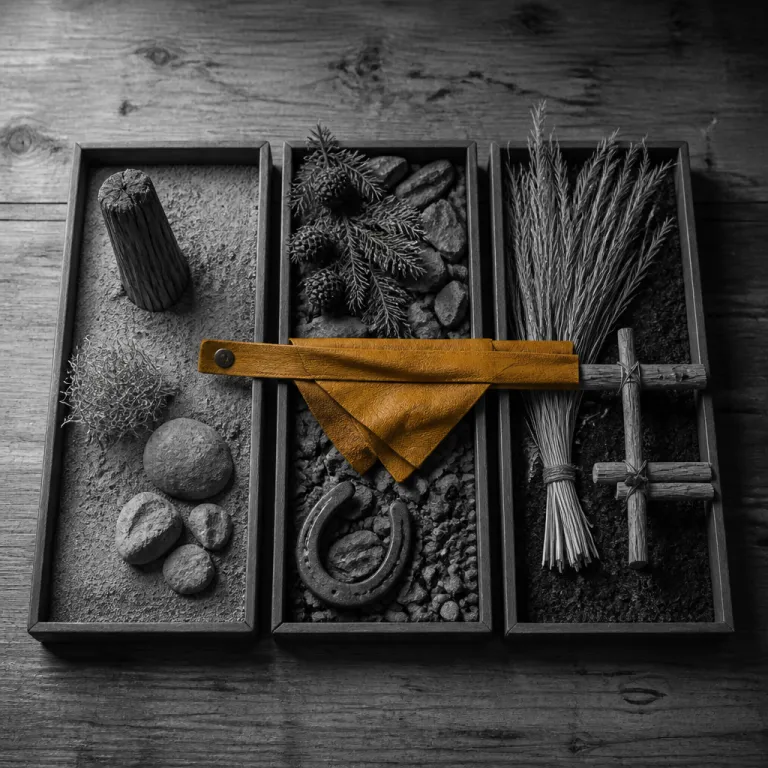
Reading the land: why dude ranch landscape setting types desert mountain matter more than décor
Choosing between dude ranch landscape setting types desert mountain and prairie is the single decision that will shape every hour of your ranch vacation. The terrain dictates how you ride, when you ride, what wildlife you see and even how the bar feels when you walk in dusty after a long day of horseback riding. Before you fall for a glossy guest ranch photo, look first at the map, the elevation and the sky.
Ranchers, ecologists and agricultural extension agents all agree that landscape affects ranching success because “It influences livestock types, forage availability, and management practices.” That same logic applies to guests ; the land under your horse determines whether your trail rides are slow, meditative lines through cactus or athletic climbs to a mountain pass on a mountain ranch. When you compare dude ranches in Arizona, Colorado or Montana, you are really comparing ecosystems and how they choreograph your daily activities and your overall experience.
Desert ranches, mountain ranches and prairie ranches offer distinct riding rhythms, and each suits a different kind of couple or family. Desert ranches in Arizona or Utah often operate year round, while high Colorado or Montana ranches compress their main season into the milder months when alpine meadows finally open. Prairies in places like South Dakota or Texas stretch the horizon and the riding season, giving you long, wind brushed days that feel made for open canters and cattle work.
Desert ranches in Arizona and Utah: silence, stars and adobe light
In the desert, dude ranch landscape setting types desert mountain means Sonoran cactus, big skies and a dry heat that wraps every ride. A classic desert dude ranch such as Tanque Verde Ranch or White Stallion Ranch near Tucson leans into adobe architecture, shaded courtyards and a bar that feels like a cool refuge after dusty afternoon rides. Here, couples and family groups move between early morning horseback riding, shaded siestas and lantern lit walks under some of the clearest stars you will ever see.
At Tanque Verde, the guest ranch layout follows the contours of the land, with rooms stepping down towards the wash where horses wait saddled for dawn trail rides. The desert setting shapes the activities ; you ride narrow sandy tracks between saguaro, try slow technical riding in rocky arroyos and often finish with sunset rides that turn the whole western horizon copper. Many desert ranches offer guided hikes into nearby national park landscapes, so you might ride in the morning and then visit Saguaro National Park or another protected area in the afternoon.
Because average desert temperatures can reach around 38 °C, the season pattern flips compared with mountain ranches. Desert ranch resorts are often genuinely year round, but they shift the timetable, stacking rides at dawn and late afternoon and leaving the high sun hours for the pool, the spa or quiet time on your terrace. For couples planning a ranch vacation outside the classic summer season, a desert ranch in Arizona or Utah can be the most comfortable and romantic choice.
Mountain ranches in Colorado, Montana and beyond: drama, rivers and log firelight
Move north and up in elevation, and dude ranch landscape setting types desert mountain turns into a different world of alpine meadows, river crossings and weather that can change twice during a single ride. A Colorado mountain ranch such as C Lazy U or a Montana property like 320 Guest Ranch trades adobe for log cabins, stone fireplaces and big windows framing peaks that still hold snow while you are riding in shirtsleeves. The architecture is not a style choice ; it is a response to altitude, snowfall and the way guests use space after long days outdoors.
Average elevations around 1 500 metres mean that the main riding season at many mountain ranches runs from late spring to early autumn, when trails finally clear and rivers settle enough for safe crossings and fly fishing. In Montana, ranches offer full day horseback riding with picnic lunches by cold creeks, while in Colorado you might split your time between technical trail rides and guided fly fishing sessions on private stretches of river. Properties such as Triangle X Ranch near Grand Teton National Park in Wyoming add another layer, with rides that frame famous peaks and wildlife sightings that feel like a private safari.
Evenings at a mountain ranch resort feel different from the desert ; guests drift from the barn to the bar through cool air that smells of pine and wood smoke. Couples often end the day in a hot tub under a sky that feels closer, while families gather around firepits for stories about the day’s rides and activities. If you want a ranch vacation where the landscape feels cinematic and the weather adds a touch of drama, a high country guest ranch in Colorado, Montana or Wyoming is the right call.
Prairie and grassland ranches: scale, cattle work and the wind as your guide
On the prairies, dude ranch landscape setting types desert mountain gives way to something quieter but no less powerful ; endless grass, big weather and a horizon that never seems to move closer. Here, a working ranch or guest ranch in states like South Dakota, Nebraska or Texas often focuses less on steep trail rides and more on open range riding and cattle work. The design language shifts again, from adobe or log to low slung prairie lodges that hunker down against the wind and frame the sunset like a painting.
Average annual rainfall on many prairies sits around 760 millimetres, which supports rich grasses and makes this landscape ideal for cattle and for long days in the saddle. Ranches offer riding that feels more like travel than exercise ; you might spend hours moving at a steady walk or jog, side by side with other guests and wranglers, with the wind as a constant companion. For couples who want to feel part of a working western story rather than a curated resort schedule, these ranches offer some of the most authentic experiences available.
Prairie properties often combine horseback riding with seasonal activities such as branding, fence riding or simple, satisfying trail rides to check distant pastures. Evenings tend to be social but relaxed, with a bar that feels like the local town saloon and shared tables where guests trade stories about the day’s work. If you are choosing between a mountain ranch and a prairie ranch, ask yourself whether you prefer vertical drama or horizontal scale ; that answer will tell you where to book.
Design, seasonality and how to match the right ranch to your trip
Once you understand dude ranch landscape setting types desert mountain and prairie, the design choices at each property start to make immediate sense. Adobe walls, shaded arcades and desert toned textiles at a place like Tanque Verde or Verde Ranch are not just aesthetic ; they keep interiors cool between rides and frame the Sonoran light in a flattering way. Log cabins, stone chimneys and heavy wool blankets at a Colorado or Montana mountain ranch answer to snow loads, cold nights and the pleasure of returning from a wet ride to a fire that actually earns its keep.
Seasonality should be your next filter, especially if you are planning a romantic ranch vacation outside school holidays. Desert ranches in Arizona and Utah can be comfortable year round if you are willing to ride early and late, while many mountain ranches in Colorado, Montana or British Columbia focus their main season on the warmer months when high trails and fly fishing rivers are at their best. Prairie ranches often bridge the gap, with long shoulder seasons that suit couples who like crisp air, fewer guests and a sense that the ranch is still very much a working operation.
Finally, match the landscape to the way you like to ride and relax, and use detailed reviews such as those on guestranchstay.com — for example the in depth Heart Six Guest Ranch stay analysis — to fine tune your choice of specific property. If you want slow, technical horseback riding and star heavy nights, choose the desert ; if you crave river crossings, mountain views and log firelight, head for the high country. When open range, cattle work and the feeling of endless space call to you, the prairies will give you exactly the western experience you are seeking.
FAQ
How does landscape affect the type of riding I will do?
Landscape sets the pace, duration and technical level of your rides. Desert ranches favour narrow, often rocky trails and early or late departures, while mountain ranches add steeper climbs, river crossings and more variable weather. Prairie ranches usually offer longer, steadier rides across open grassland, sometimes with cattle work woven into the day.
Which landscape is best for a first time ranch vacation?
For a first ranch vacation, many couples choose either a desert ranch or a gentler mountain ranch with varied terrain. Desert properties offer predictable weather and clear schedules, which can feel reassuring if you are new to horseback riding. Lower elevation mountain ranches provide a mix of open meadows and forest trails that suit beginners while still feeling adventurous.
How should I think about the riding season when choosing a ranch?
Desert ranches in places like Arizona and Utah often operate comfortably for guests across most of the year, shifting ride times to avoid midday heat. High elevation mountain ranches in Colorado, Montana or British Columbia concentrate their main season into the warmer months when snow has melted from the trails. Prairie ranches usually have long shoulder seasons, but wind and storms can shape the feel of each day.
Are mountain ranches suitable for non riders or mixed ability couples?
Many mountain ranches are well suited to mixed ability couples, because they offer a range of rides and non riding activities. One partner can join longer, more technical trail rides while the other chooses shorter loops, hiking, fly fishing or simply enjoying the lodge. When you book, ask specifically about how they group riders and what alternatives exist on days you prefer not to ride.
What should I prioritise when comparing specific ranch properties?
Start by choosing your preferred landscape, then look at elevation, riding style and season dates before you compare décor or amenities. Check how many hours per day you can ride, what non riding activities are available and how the property handles weather changes. Finally, read detailed, independent reviews to understand how the ranch feels once the brochure gloss has worn off.