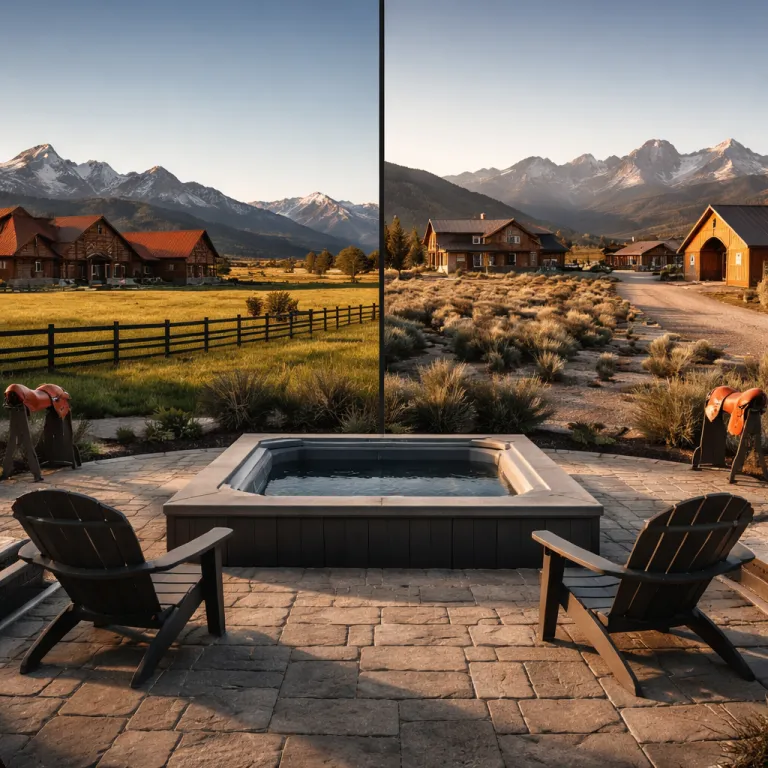
Montana vs Wyoming for guest ranch escapes in the American West
Choosing between Montana and Wyoming for a luxury guest ranch stay feels like choosing between two masterpieces. Each state offers natural beauty, low population density, and a sense of space that is rare in most places. Yet the way each state shapes your time, your budget, and your experience will differ in meaningful ways.
Montana, often called Big Sky Country, covers a larger area than its southern neighbour and feels expansive in every direction. Wyoming, the Cowboy State, is smaller in size but equally dramatic, with a strong ranching culture Wyoming guests feel the moment they arrive. When people compare Montana vs Wyoming, they are really weighing two distinct interpretations of Western life and luxury.
For travellers, one of the first questions will be how each state handles tax and cost living, because these factors influence nightly rates and on site experiences. Montana has no general sales tax, which can make premium activities and spa treatments feel more accessible. Wyoming, however, has no state income tax, and that income tax advantage can make Wyoming better for ranch owners, who may pass some tax benefits to guests through competitive pricing.
Both states share access to Yellowstone National Park and other protected areas, so national park adventures are easy to combine with ranch stays. The shared Yellowstone National ecosystem means wildlife, geothermal wonders, and alpine scenery are part of both itineraries. The real question is which state location, culture, and business friendly environment align with the way you like to travel.
Landscape, wildlife, and the pull of the open range
When guests compare Montana vs Wyoming, landscape is often the deciding factor. Montana’s greater area creates a sense of endless horizons, with valleys, rivers, and mountain ranges that seem to roll on forever. Wyoming’s terrain feels more concentrated, with dramatic peaks and high plains that bring wildlife and scenery closer together in a compact state Wyoming setting.
Both states are gateways to Yellowstone National Park, but the approach feels different on each side of the border. In Montana, ranches near the northern and western edges of Yellowstone National often combine fly fishing, horseback riding, and quiet riverfront evenings. In Wyoming, especially around Jackson Hole, luxury ranches lean into rugged peaks, wildlife safaris, and easy access to Grand Teton and the southern Yellowstone National entrances.
Hunting traditions also shape the atmosphere, even if you never pick up a rifle. In both Montana and Wyoming, regulated hunting seasons help manage wildlife populations and support conservation funding in each state. Guests who are not interested in hunting still benefit from healthy ecosystems, thriving herds, and knowledgeable guides who understand the land.
For travellers curious about how the classic Western ranch evolved into today’s refined retreats, reading about the origins of the dude ranch tradition can be enlightening. It shows how both Montana and Wyoming transformed working ranches into welcoming places for guests. That shared heritage still shapes the culture Wyoming visitors feel in the south and the relaxed, spacious ambience that defines Montana.
Taxes, income, and the business friendly side of luxury ranch travel
Behind every seamless luxury stay lies a complex business reality shaped by taxes and regulation. When you compare Montana vs Wyoming, the tax landscape in each state quietly influences nightly rates, seasonal packages, and even which activities are included. Understanding these differences helps people interpret price points and value with more confidence.
Wyoming is famous for having no state income tax, which is a major draw for ranch owners and other hospitality business leaders. This absence of income taxes can make Wyoming tax policy particularly attractive for long term investment and estate planning. Many operators describe the state Wyoming framework as highly business friendly, which encourages reinvestment in facilities, staff training, and guest experiences.
Montana, by contrast, does levy an income tax, yet it balances this with the notable advantage of no general statewide sales tax. For guests, this tax Montana feature means that spa treatments, premium wines, and curated excursions often avoid the extra percentage that appears on bills in many other states. When you compare sales tax burdens, some travellers feel that this structure makes it easier to choose Montana for high end stays where on property spending is part of the pleasure.
Both states also offer specific tax benefits for certain types of agricultural and tourism business activity. These incentives help maintain working ranch landscapes that feel authentic rather than purely staged. In practice, the combination of income, taxes, and regulatory climate shapes whether Montana Wyoming ranches focus on ultra exclusive stays, family friendly experiences, or a blend of both.
Cost of living, safety, and what it means for guests
Cost living and safety statistics may seem like concerns only for residents, yet they also affect guests choosing between Montana vs Wyoming. A lower cost living can help ranches attract and retain skilled staff, which directly improves service quality. Safer communities often translate into a relaxed ambience where people feel comfortable exploring small towns before or after their ranch stay.
Data shows that Montana has a higher population than Wyoming, which can create slightly busier gateway towns and more varied dining scenes. Wyoming, with fewer people overall, often feels quieter and more intimate, especially outside Jackson Hole and a few key hubs. When travellers compare states, they should consider whether they prefer a livelier pre or post ranch stop or a more secluded transition into the wilderness.
Crime statistics also differ between the two states, with Wyoming generally reporting a lower violent crime rate than Montana. For most guests, both Montana and Wyoming feel safe, particularly in rural ranch areas where communities are tight knit. Still, knowing that Wyoming state metrics lean toward lower violent incidents can reassure cautious travellers.
Cost living indices influence everything from staff housing to food sourcing, which in turn shapes menus and activity pricing. A ranch in a higher cost area may charge more but also offer elevated culinary programmes and specialised guides. When weighing Montana Wyoming options, guests should look beyond headline rates and consider how each place invests in safety, staff wellbeing, and overall quality.
Culture, ranch style, and the rhythm of your stay
The culture Wyoming guests encounter feels subtly different from the atmosphere in Montana, even when activities look similar on paper. In Wyoming, especially near Jackson Hole, there is a polished Western glamour that blends art galleries, fine dining, and high altitude adventure. Montana often leans into a quieter, more contemplative rhythm, where the focus rests on space, sky, and long days in the saddle.
When comparing Montana vs Wyoming, think about how you like to balance activity and rest. Wyoming ranches may emphasise adrenaline filled days with heli skiing in winter, technical hiking, or wildlife photography in dramatic mountain settings. Montana properties often highlight slow travel, with extended trail rides, riverside picnics, and evenings that stretch out under the stars.
Both states share a deep ranching heritage, and many properties remain working cattle or horse operations. This connection to the land shapes daily work on the ranch and gives guests a window into authentic Western life. People who value immersive experiences will appreciate how both states integrate real ranch work with refined comforts.
For travellers seeking a deeper understanding of how luxury and tradition intersect, this overview of the art of luxury guest ranches in the USA offers useful context. It explains how business friendly policies, tax benefits, and evolving guest expectations have reshaped ranch hospitality. Whether you ultimately choose Montana or Wyoming, that blend of heritage and innovation defines the modern guest ranch experience.
Practical trip planning: access, seasons, and choosing your ideal location
When planning a trip framed as Montana vs Wyoming, logistics matter as much as romance. Flight access, driving time, and proximity to a national park all influence how relaxed your journey feels. Before you book, map your preferred airport, ranch location, and any Yellowstone National or Grand Teton visits you hope to include.
Jackson Hole airport offers direct access to many Wyoming ranches and to the southern reaches of Yellowstone National Park. In Montana, airports in Bozeman, Billings, and Missoula serve different regions, from the Yellowstone gateway to more remote mountain valleys. Each state offers multiple entry points, so people should align their chosen airport with the specific area they want to explore.
Seasonality also shapes the experience in both states, with long winters and short, glorious summers. In summer, both Montana and Wyoming offer riding, hiking, fishing, and wildlife viewing in comfortable temperatures. Shoulder seasons can bring quieter properties and lower rates, but also more variable weather, so checking forecasts is essential.
When deciding whether Wyoming better suits your style or whether you will choose Montana, think about how you like to spend your days. If you want quick access to a national park and a lively town, Jackson Hole and nearby ranches may appeal. If you prefer a more remote place to live like a temporary local, a Montana valley far from major hubs might be ideal.
Making the final choice between Montana and Wyoming guest ranches
By the time travellers reach the final stage of comparing Montana vs Wyoming, the decision often comes down to personal priorities. Some guests value the income tax advantages and business friendly climate that help Wyoming ranches invest heavily in amenities. Others appreciate the absence of sales tax in Montana, which can make on property indulgences feel more approachable.
Families may focus on safety metrics, access to healthcare, and the overall feel of nearby towns. Couples planning a special trip might prioritise privacy, spa facilities, and curated excursions into Yellowstone National or other protected areas. Solo travellers often look at how each state supports community, culture, and opportunities to meet like minded people.
It is helpful to remember that both states share many strengths, including natural beauty, low population density, and a strong tradition of hospitality. Whether you lean toward Montana Wyoming ranches with vast open spaces or Wyoming Montana properties closer to iconic peaks, you are unlikely to regret your choice. The key is to match the state, the specific ranch, and the surrounding area to the way you prefer to travel.
As one summary of the comparison notes, "Montana is larger than Wyoming." That simple fact underpins many of the experiential differences between the two states. In the end, your ideal guest ranch stay will reflect how you balance space, culture, taxes, and time in the wild American West.
Key statistics for comparing Montana and Wyoming
- Montana covers a significantly larger area than Wyoming, offering more expansive landscapes and longer driving distances between regions.
- Montana has a higher population than Wyoming, which can translate into busier gateway towns and a broader range of services.
- Median household income in Montana is slightly higher than in Wyoming, while Wyoming generally reports a marginally lower unemployment rate.
- Wyoming records a lower violent crime rate per 100 000 people than Montana, contributing to its reputation as a safe, quiet destination.
Questions travellers often ask about Montana and Wyoming
Which state has a larger area ?
Montana has a larger area than Wyoming, which creates a sense of vastness and longer distances between many key regions. This greater size can appeal to travellers who value long scenic drives and a feeling of open space. Wyoming, while smaller, concentrates its dramatic landscapes in a more compact footprint.
Which state has a higher population ?
Montana has a higher population than Wyoming, leading to slightly busier gateway towns and more varied dining and shopping options. Wyoming’s smaller population contributes to its quieter, more intimate ambience, especially outside major hubs. Guests should consider whether they prefer livelier towns or more secluded communities before choosing.
Which state has a higher median income ?
Montana reports a slightly higher median income than Wyoming, while Wyoming balances this with the advantage of no state income tax. For guests, this combination means both states can support high quality hospitality businesses. The difference in median income is modest, so other factors such as landscape, culture, and access to national parks often matter more.