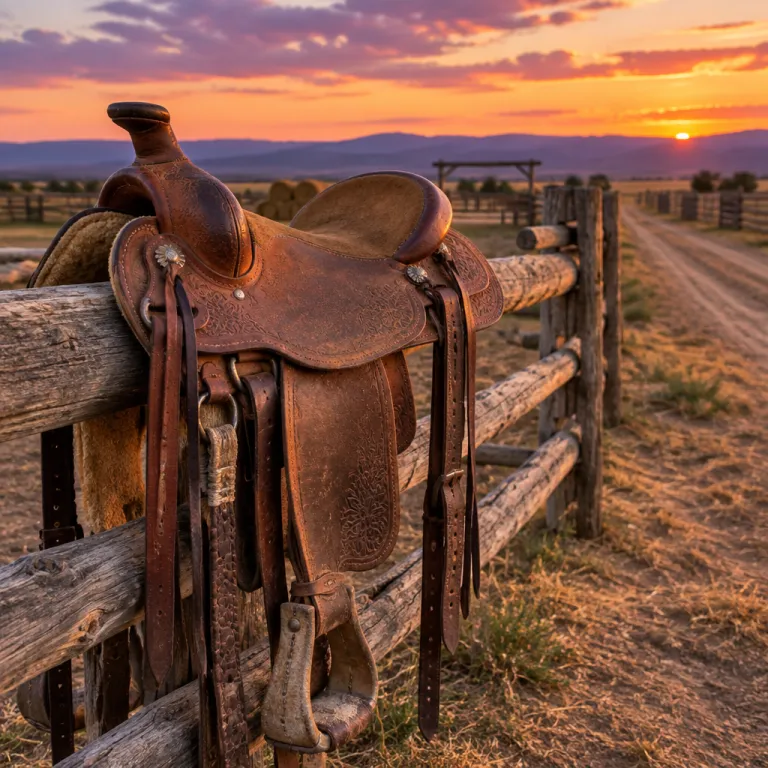
How a western saddle reshapes your first ranch ride
The first time you settle into a western saddle on a guest ranch, the difference from an English seat is immediate. The deeper seat, high cantle, and substantial horn define the western saddle riding experience dude ranch horseback comfort seekers talk about when they compare their most relaxed rides. For many guests who usually ride in an arena, that first long ranch ride feels like moving from a city scooter to a mountain touring bike.
On a working ranch, the saddle is a tool for long days with horses, cattle, and varied terrain rather than short lessons. The tree spreads your weight over more of the horse’s back, which supports both horse comfort and rider stability during hours of trail riding across rocky mountain foothills or open pasture. That design logic is why riders who are new to horseback riding often feel more secure in western saddles during their first ranch vacation, whether they are in Colorado, Wyoming, or further south.
Luxury guest ranch properties understand that comfort is part of safety, so they invest in well maintained western saddles that suit a wide range of riders. When a ranch offers a thoughtful tack room with different seat sizes, fenders adjusted for shorter or taller guests, and pads that protect each horse, the entire western saddle riding experience dude ranch horseback comfort equation improves. As a guest, you feel the benefit on every ride, from gentle trail rides near a river to more ambitious mountain trail adventures with experienced wranglers.
The design logic behind western saddles on dude ranches
Look closely at the saddle before your first ride and you will see why western gear evolved for cattle work rather than show rings. The horn is not decoration ; it is there so riders can dally a rope when working cattle drives, steady a hand during a steep descent, or simply rest fingers while taking in the view on a guest ranch veranda. The skirt and fenders are broader than on English saddles, which helps distribute pressure and supports the long duration western saddle riding experience dude ranch horseback comfort guests expect on full day rides.
Wider stirrups give your feet a stable platform, which matters when a horse steps over rocks on a narrow trail or splashes through a creek on a ranch vacation in Colorado. The deeper seat and higher cantle cradle your pelvis, so even novice riders feel anchored when a horse lengthens its stride or turns to follow a winding trail riding route. For advanced riders, that same structure allows subtle weight shifts that communicate clearly during team penning sessions or when guiding horses through technical mountain switchbacks.
On premium dude ranches and refined horseback escapes near Texas, such as the properties highlighted in this guide to luxury ranch riding near Waco, the saddle room often feels like a curated gallery of working art. Each ranch located in serious horse country tends to favor particular makers, tree shapes, and rigging styles that match their terrain and cattle work. When you visit these ranches as a solo guest or with family, you are not just sitting in any saddle ; you are stepping into a century of western design decisions shaped by real ranches and real riders.
Neck reining, one handed riding, and why it feels so relaxed
Once you are comfortable in the saddle, the next surprise on a dude ranch is how you steer. Western horses are usually trained for neck reining, where riders lay a single rein lightly against the horse’s neck to ask for a turn rather than pulling directly on the bit. That one handed style is central to the western saddle riding experience dude ranch horseback comfort because it frees your other hand for balance, photography, or simply resting on the horn while you breathe in the mountain air.
For guests who come from English riding, the first few rides can feel like learning a new language with horses. Instead of constant contact, you ride with a looser rein, guiding with your seat, legs, and the brief cue of the rein against the neck, which suits long trail rides where both horse and rider can relax. On a guest ranch that values horsemanship, wranglers will often demonstrate how subtle cues keep horses attentive yet calm, whether you are crossing a stream, passing cattle, or threading through trees on a narrow trail.
Many of the most respected dude ranches invest heavily in their remuda, the working herd that carries guests. The quality of that horse herd defines how easy neck reining feels, as explored in this in depth look at how remuda quality shapes the guest experience. When a ranch offers well trained horses that respond softly to neck reining, even first time riders can enjoy a calm horseback riding rhythm, while advanced riders can refine their cues during faster rides or cattle drives in open pasture.
Why western saddles feel safer for beginners and solo travelers
For many solo travelers, safety is the quiet question behind every booking decision. Western saddles answer that question with structure, giving beginners a deep pocketed seat, a horn to hold, and broad stirrups that support a balanced leg position. That combination is why the western saddle riding experience dude ranch horseback comfort often becomes the benchmark by which guests judge all future rides.
On a well run guest ranch, wranglers adjust each saddle carefully before you leave the corral. They check stirrup length so your knees are softly bent, ensure the cinch is snug but not harsh on the horse, and confirm that the saddle tree fits the horse’s back to avoid pressure points during long trail riding days. This attention to fit protects both riders and horses, whether you are on a gentle ride suitable for a family with children or a more ambitious mountain trail route for advanced riders.
Properties such as Drowsy Water Ranch in Colorado, Sylvan Dale Guest Ranch near the Front Range, and Verde Ranch style operations in the American Southwest have built reputations on safe, confidence building horseback programs. At Drowsy Water, for example, the ranch offers progressive rides that start in easy terrain before moving into steeper rocky mountain country, always using western saddles that support security. Guests often report that by midweek they are riding out on longer trail rides, feeling that blend of independence and safety that defines a well designed ranch vacation.
From vaquero heritage to modern guest ranch vacations
The western saddle did not appear fully formed on a Colorado dude ranch ; it evolved from Spanish vaquero traditions that spread north with cattle and horses. Early vaquero saddles already featured horns for roping and deep seats for long days, and American ranches adapted those designs for the specific demands of cattle drives across vast ranges. Over time, the western saddle riding experience dude ranch horseback comfort guests enjoy today became a refined version of that working heritage rather than a theatrical costume.
As railroads, then highways, reshaped the West, some working ranches began welcoming paying guests to supplement cattle income. Those early guest ranch pioneers kept the same saddles they used for real work, which meant visitors rode in gear designed for function, not fashion. Modern dude ranches that still run cattle, such as Sylvan Dale with its team penning clinics or Drowsy Water with its occasional cattle drives, continue that lineage by putting guests into saddles that can handle both leisure rides and genuine ranch tasks.
Heritage focused ranches often extend this authenticity beyond the saddle to the entire stay. You might ride out in the morning for trail rides, help move a small herd of cattle in the afternoon, then return to a lodge where the décor quietly references the working history rather than theme park clichés. For solo explorers who value narrative and place, choosing a ranch located near a national park, a historic cattle route, or a long established water ranch with old irrigation rights adds another layer of meaning to every ride.
Gear the ranch provides, and what experienced riders bring
When you book a premium guest ranch stay, the base expectation is clear : the ranch provides safe, well fitted western saddles, pads, bridles, and helmets for all guests. That standard kit underpins the western saddle riding experience dude ranch horseback comfort, allowing you to arrive with minimal luggage yet still enjoy serious riding. For many travelers, especially those new to horses, this full service approach removes the barrier of owning gear.
Experienced riders, however, often travel with a few personal items that fine tune comfort. Some bring their own saddle pads or sheepskin seat savers, while others pack preferred reins or a favorite pair of stirrups that match their usual riding style. Advanced riders who visit multiple ranches in a season sometimes carry a custom western saddle, but only when they know the ranch located in their chosen destination welcomes outside tack and can confirm that the saddle tree suits the ranch horses.
Luxury ranches that specialize in longer pack trips, technical trail riding, or intensive cattle work usually have a more detailed tack conversation before arrival. They will ask about your height, weight, riding experience, and whether you prefer a more upright or relaxed western seat, then match you with horses and saddles accordingly. If you are planning a ranch vacation that mixes horseback riding with fly fishing, hiking in a nearby national park, or time at natural swimming holes and hot springs, it is worth reading property specific guides such as this overview of water features at guest ranches to understand how much time you will actually spend in the saddle versus by the water.
Choosing the right ranch for your riding style and comfort
Not every ranch offers the same kind of riding, so matching your expectations to the property matters as much as the saddle itself. Some guest ranches focus on gentle trail rides for mixed ability guests, while others lean into serious cattle drives, team penning clinics, or technical rocky mountain trail riding for advanced riders. The western saddle riding experience dude ranch horseback comfort you seek should guide which ranches you shortlist.
If you are a beginner or traveling with family, look for a ranch vacation program that emphasizes instruction, small riding groups, and varied terrain without extreme exposure. These ranches usually schedule shorter rides at the start of the week, building up to longer trail rides as guests gain confidence in the saddle and with their horses. Properties like Drowsy Water Ranch and Sylvan Dale Guest Ranch are known for balancing approachable horseback riding with enough challenge to keep more experienced riders engaged.
For riders who already feel at home in a western saddle, a working ranch located near open range or a national park can offer more immersive experiences. You might spend one day helping with light cattle work, another on extended mountain rides, and a third combining horseback time with fly fishing or hiking. Whether you choose a classic water ranch with irrigated meadows, a high desert property similar in spirit to Verde Ranch operations, or one of the more traditional dude ranches in Colorado, the key is to ask detailed questions about horses, rides, and tack before you book.
Key figures that shape the western ranch riding landscape
- According to the Dude Ranchers’ Association, there are more than 90 member dude ranches across the American West, and a significant share of them are guest ranch properties in Colorado, Wyoming, and Montana that focus heavily on horseback riding as their core activity.
- Industry surveys from the American Horse Council indicate that recreational riding accounts for the majority of horse use in the United States, with millions of riders participating annually, which underpins the investment ranches make in safe western saddles and well trained horses for guests.
- Data from the National Park Service shows that several major national park gateway regions in the Rocky Mountain corridor report strong demand for guided trail rides each season, reinforcing the value of ranches located near parks that can offer combined trail rides and park visits.
- Travel research from organizations such as the U.S. Travel Association notes that multi generational family trips have grown steadily over the past decade, which aligns with the rise in ranch vacation bookings where family members of different riding levels can share the same western saddle riding experience dude ranch horseback comfort.
FAQ about western saddles and ranch riding
Is a western saddle really more comfortable than an English saddle for trail riding ?
For long trail rides, many riders find western saddles more comfortable because the tree distributes weight over a larger area of the horse’s back and the deeper seat supports a relaxed posture. The horn and higher cantle also give beginners extra security, which matters on uneven terrain. On a guest ranch that maintains its tack well, this design translates into less fatigue for both horse and rider over several hours.
Do I need riding experience before booking a dude ranch vacation ?
Most guest ranches welcome complete beginners and design their horseback riding programs around mixed ability groups. Wranglers start with basic instruction in the corral, adjust each western saddle carefully, and choose calm horses for new riders. If you already have experience, you can usually join more advanced rides or cattle activities once staff have assessed your skills.
What should I wear for a full day in a western saddle ?
Plan on long pants without inside leg seams that rub, a breathable long sleeved shirt, and sturdy boots with a defined heel that fit safely in western stirrups. Many guests also bring lightweight riding gloves and a brimmed hat or helmet for sun protection. Layers are essential in mountain regions, where temperatures can shift quickly between morning rides and afternoon trail adventures.
Can I bring my own saddle to a guest ranch ?
Some ranches allow experienced riders to bring personal western saddles, but policies vary and horse fit is always the priority. Before you travel with a saddle, confirm that the ranch located in your destination approves outside tack and that your saddle tree is likely to suit their horses. Even when personal gear is allowed, many riders end up using ranch saddles because they are already matched to the remuda.
How long are typical trail rides on a luxury ranch vacation ?
On many premium ranches, standard trail rides range from one to three hours, with options for half day or full day rides for fit and motivated guests. Multi day pack trips into mountain or national park backcountry are usually reserved for advanced riders who are comfortable spending many hours in a western saddle. When you book, ask for a sample weekly schedule so you can gauge how much time you will actually spend on horseback versus enjoying other ranch activities.